Lip fillers have become a highly sought-after cosmetic treatment for enhancing lip volume and shape. However, with their increasing popularity, concerns about potential complications, such as lip filler migration, have also emerged. This phenomenon occurs when the injected filler material moves from its original injection site, leading to an uneven or unnatural appearance.
What is Lip Filler Migration?
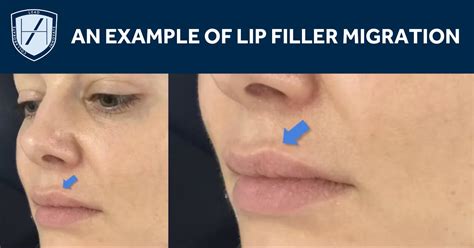
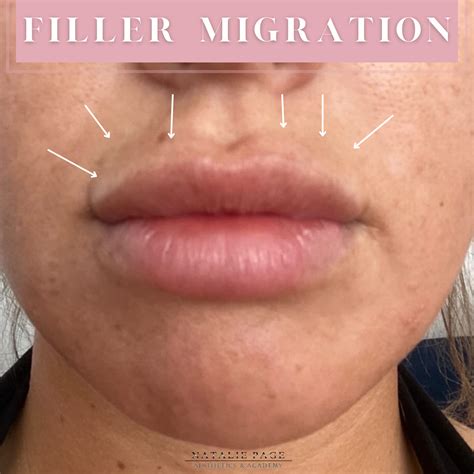
Lip filler migration, in simple terms, means that your lip fillers have moved or spread unintentionally. This migration is almost always visually noticeable and can manifest in various ways. It might present as a puffy upper lip, a lack of a defined border between the lip edge and the surrounding skin, or the creation of noticeable lumps and bumps that result in misshapen lips and can even prevent them from closing properly.
The movement of hyaluronic acid-based fillers can occur due to several factors, and understanding these is crucial for both prevention and correction. The lips, being soft tissue, are particularly prone to filler movement compared to firmer areas of the face.
Causes of Lip Filler Migration
Several factors can contribute to lip filler migration, ranging from the type of product used to the technique of the injector and individual patient anatomy.
Product Properties
The attributes of the dermal filler product itself play a significant role. Hyaluronic acid (HA) dermal fillers, which are common today, consist of long chains of hyaluronic acid. The manufacturing process influences the properties of these fillers, leading to variations in the degree of cross-linkage, particle size, and concentration within each product. These differences can affect how the filler behaves once injected.
Injector's Skill and Technique
The abilities of the injector are paramount in preventing filler migration. Poorly administered fillers can migrate elsewhere. In some regions, such as the UK, medical training is not a prerequisite for administering lip fillers. Choosing a medically trained professional can significantly reduce the chances of migration. It is essential to research and select fully insured, licensed practitioners with a proven history in fillers and aesthetics.
- Improper Injection Technique: Inexperienced practitioners may inject filler too superficially or in the wrong place, making it easier for the filler to move.
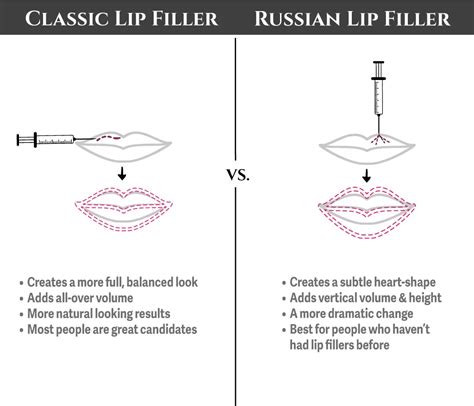
- Overfilling: Injecting too much filler into an area at once can overwhelm the lip's natural contours, increasing the likelihood of migration. Starting with smaller amounts and adding more later if needed is a safer approach.
- Incorrect Placement: Injecting filler too close to the wet-dry border of the lips or into areas lacking structural support can lead to migration.
Amount of Filler Used
The quantity of dermal filler used is another critical determinant. Injecting too much filler into an area can cause it to "bleed" elsewhere. Practitioners must have precise control over the amount of filler injected into each area to achieve the desired look and prevent migration. It is vital to inform your practitioner about any previous filler treatments to ensure the correct amount is used.
Individual Anatomy and Physiology
Individual anatomy also plays a role. Hyaluronic acid filler can follow the path of least resistance within the body. If lips are not perfectly symmetrical, filler might settle more heavily on one side. Skin type and tissue thickness can also influence the likelihood of migration. Some autoimmune diseases have also been known to affect how the body reacts to filler, potentially increasing the risk.
Natural Facial Movements
The face is constantly in motion through actions like smiling, talking, and eating. These everyday movements can exert pressure on the lips, potentially causing fillers to shift over time. Specific post-treatment guidelines, such as avoiding certain activities, are often provided to help keep the filler in place.
Use of Unapproved Fillers or Treatments
The market has seen a rise in unproven brands and at-home filler kits. Using unapproved or unsafe products can lead to serious complications, including migration. It is crucial to ensure that your practitioner uses FDA/Health Canada-approved products and that they are reversible.
Signs of Lip Filler Migration
Recognizing the signs of lip filler migration is key to addressing it promptly. While some changes may be subtle, others are quite apparent.
- Puffiness Above the Lip Line: An unnatural fullness above the natural lip border, sometimes referred to as a "filler mustache."
- Blurred Lip Borders: A loss of crisp definition between the lip and the surrounding skin.
- Lumps and Bumps: Palpable irregularities or nodules beneath the skin's surface, which can be visible in certain lighting.
- Asymmetry and Distortion: Uneven fullness or a misshapen appearance of the lips over time.
- "Duck Lips": An exaggerated, unnatural pout caused by excessive filler or migration.
How to Fix Lip Filler Migration
Fortunately, lip filler migration is often correctable, especially with early detection and professional intervention.
Dissolving Dermal Fillers
The most common and effective method for correcting migrated hyaluronic acid fillers is using an enzyme called hyaluronidase. This enzyme naturally occurs in the body and can safely and quickly break down hyaluronic acid fillers. The process involves a consultation to assess the migration pattern, followed by precise injections of hyaluronidase. Results can be seen within minutes to days, though complete dissolution might take longer.
It is important to note that only medical professionals can prescribe hyaluronidase, further emphasizing the importance of seeking treatment from a trained medical provider.
Kinetic: HA Animation by Perfaction
Corrective Injections
In select cases of very minor migration, small amounts of new filler might be strategically injected to balance out slight irregularities. This approach requires extreme precision and is best suited for subtle issues.
Massage
For very early-stage migration, before the filler has fully settled, gentle massage by a skilled injector might help redistribute the product. This can sometimes be aided by ultrasonic devices.
Prevention of Lip Filler Migration
Prevention is always preferable to correction. Making informed decisions and choosing the right professional are the most critical steps.
- Choose a Qualified Injector: Opt for a licensed, experienced medical professional with a deep understanding of facial anatomy and a proven track record in aesthetic treatments. Review before-and-after photos and ensure they are fully insured.
- Start Conservatively: Avoid the temptation of overfilling. Begin with a smaller amount of filler and discuss adding more in subsequent sessions if needed.
- Communicate Your Goals: Clearly discuss your desired outcome with your practitioner to ensure they understand your expectations.
- Ask About Products: Inquire about the type of fillers used. Ensure they are reputable, FDA/Health Canada-approved, and, crucially, reversible.
- Follow Aftercare Instructions: Adhere strictly to your practitioner's post-treatment advice regarding massage, pressure, and activity limitations.
- Be Patient: Allow adequate healing time between treatments. Rushing the process can increase risks.
The Importance of Professional Consultation
If you are considering lip fillers or are concerned about potential migration, a thorough consultation with a qualified professional is essential. They can assess your individual anatomy, discuss the risks and benefits, recommend the most suitable products and techniques, and create a personalized treatment plan to achieve safe and aesthetically pleasing results.