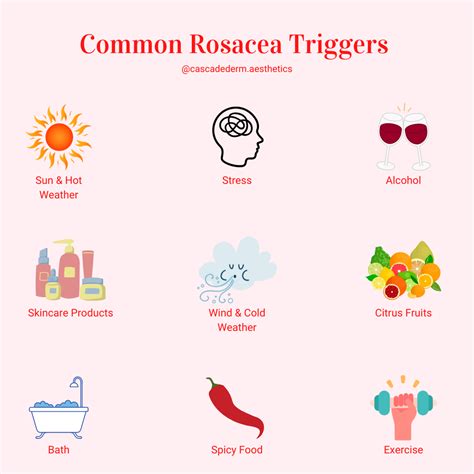
Rosacea is a common, chronic inflammatory skin condition characterized by facial redness, warmth, dilated blood vessels, and pimples. It is sometimes referred to as "adult acne" and most frequently affects individuals between the ages of 30 and 50, women, and those with lighter skin types. Patients diagnosed with rosacea are often advised to avoid potential triggering factors, which can include sunlight, hot drinks, spicy foods, alcohol, strenuous exercise, hot showers, and emotional stress.
Historically, hot beverages have been recognized as a common trigger for rosacea flare-ups. However, the specific role of caffeine, a component often found in hot beverages like coffee, has been a subject of ongoing inquiry. While some once believed caffeine to be a primary culprit, recent research suggests a more complex relationship.
Understanding Rosacea Triggers
For individuals struggling with rosacea, preventing flare-ups can be a significant challenge. Beyond hot beverages, a wide array of factors have been implicated in triggering or exacerbating the condition. These include:
- Sun exposure: Ranked as one of the most common triggers in surveys by the National Rosacea Society.
- Heat: Including exposure to hot environments or hot showers.
- Caffeine: Previously suspected, but recent findings challenge this notion.
- Dietary factors: A long list of foods, from spicy dishes to dairy products like yogurt, have been considered triggers.
- Alcohol consumption.
- Strenuous exercise.
- Emotional stress.
It is important to note that the triggers for rosacea can vary substantially from one person to another. What causes a flare-up in one individual may have no effect on another. Therefore, a personalized approach to trigger identification and avoidance is crucial for effective management.
The Evolving Understanding of Caffeine's Role
A study published in JAMA Dermatology in October 2018 has shed new light on the connection between caffeine, coffee consumption, and rosacea. This research challenges the long-held belief that caffeine itself is a significant trigger for rosacea. Instead, it suggests that the high temperature of hot beverages may be the primary cause of immediate facial flushing.
In one study, researchers found that at room temperature, neither caffeine nor coffee induced flushing reactions in individuals with rosacea. This observation supports the idea that the heat from beverages, rather than their caffeine content, is responsible for immediate flushing symptoms in some patients.

New Evidence: Coffee May Reduce Rosacea Risk
The same study published in JAMA Dermatology also presented surprising findings regarding the potential protective effects of coffee consumption against rosacea. Researchers analyzed health and diet survey responses from nearly 83,000 women who participated in the Nurses’ Health Study II between 1991 and 2005.
The analysis revealed a significant inverse relationship between the consumption of caffeinated coffee and the incidence of rosacea. Specifically:
- Women who drank four or more cups of caffeinated coffee per day were 23% less likely to report a diagnosis of rosacea during the study period compared to those who drank less than one cup per month.
- This "protective" effect was observed to a lesser degree even in those who consumed less caffeinated coffee daily.
Interestingly, increased caffeine intake from other sources such as tea, soda, and chocolate did not demonstrate any impact on the likelihood of developing rosacea. Furthermore, there was no association found between decaffeinated coffee intake and a reduced risk of rosacea. This suggests that the protective effect is specifically linked to caffeinated coffee, not just caffeine in general or the act of consuming hot beverages.
While the exact mechanisms behind these findings are not yet fully understood, researchers hypothesize that caffeine's properties may play a role. Caffeine is known to be a vasoconstrictor, meaning it narrows blood vessels, and it can decrease vasodilation. These actions might contribute to reducing the redness and inflammation associated with rosacea.
I Tested EVERY Rosacea Treatment for 20 Years (What Actually Works)
Why the Confusion About Coffee and Rosacea?
The prevailing advice to avoid hot beverages stems from a significant percentage of rosacea patients reporting that hot drinks trigger their symptoms. A National Rosacea Society survey indicated that 36% of participants identified hot beverages as a trigger for flare-ups. This led to the common recommendation to minimize intake of very warm drinks to help prevent flares.
However, individual responses to triggers can differ. Some individuals may not experience a noticeable difference in their rosacea symptoms when consuming hot beverages. For those who do find that hot drinks exacerbate their condition, an alternative could be to opt for iced caffeinated coffee instead of hot coffee.
Other Dietary Considerations for Rosacea Management
Diet plays a crucial role in managing rosacea symptoms, primarily due to the inflammatory nature of the condition. Adopting an "anti-inflammatory diet" can be beneficial.
Foods to Embrace:
- Anti-inflammatory foods: These include fatty fish like salmon, nuts such as walnuts, flax seeds, and legumes like kidney beans.
Foods to Avoid:
- Inflammatory foods: These can trigger redness and inflammation and include spicy foods, alcohol, vinegar, and foods high in sugar.
It is also worth noting that sugary coffee drinks can contribute additional carbohydrates, calories, and higher glycemic levels, which are known to exacerbate inflammatory health issues and potentially rosacea.
Skincare and Rosacea
Beyond diet and beverage choices, skincare practices are paramount in managing rosacea. The skin barrier integrity is often compromised in individuals prone to rosacea, making gentle care essential for healing.
A dermatologist's recommendation typically includes an anti-inflammatory and supportive skincare routine. Using compatible products that help heal the skin barrier and address rosacea triggers is key. Daily application of a broad-spectrum sunscreen is also vital. Mineral sunscreens, particularly those containing zinc oxide, are often recommended as the best choice for rosacea-prone skin due to their gentler formulation.
While the latest evidence suggests a promising link between caffeinated coffee consumption and a reduced risk of rosacea, further research is necessary to fully elucidate the mechanisms and provide definitive patient recommendations. Nevertheless, these findings offer a new perspective on a common dietary staple and its potential impact on this chronic skin condition.