A North Face backpack is a reliable companion for school, adventures, or daily use. To ensure its longevity and optimal performance, proper care and regular cleaning are essential. Washing your North Face backpack correctly will help maintain its shape, color, and water-resistant coating. This guide provides detailed instructions on how to safely clean your backpack, whether by hand or in a washing machine.
Why Washing Your North Face Backpack is Important
Washing your North Face backpack, or any North Face book bag, is crucial for several reasons. Over time, dirt and grime can accumulate, not only affecting the backpack's appearance but also potentially damaging the fabric. Furthermore, a dirty backpack can develop unpleasant odors, making it undesirable to use. Regular cleaning ensures your backpack looks new and lasts longer, preserving its functionality and aesthetic appeal.
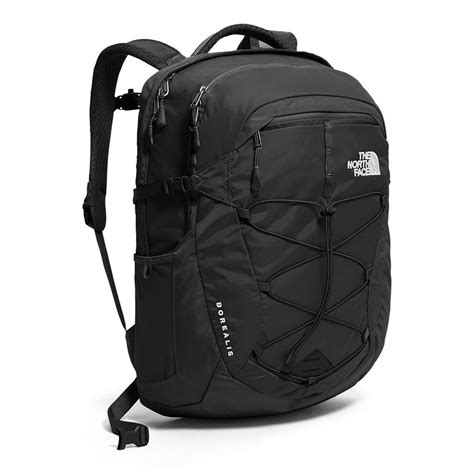
Can You Machine Wash a North Face Backpack?
Yes, you can machine wash a North Face backpack, but with caution. Not all North Face backpacks are suitable for machine washing due to special coatings or delicate materials. It is imperative to first check the care label located inside the backpack. If the label explicitly states "machine washable," you can proceed with machine washing by carefully following the recommended steps.
Step-by-Step Guide to Washing a North Face Backpack
Proper cleaning involves preparation, the washing process itself, and correct drying. Always refer to the care tag inside your backpack for specific instructions.
Step 1: Empty and Prepare Your Backpack
Begin by removing all items from the main compartments and pockets of your backpack. Once emptied, turn the backpack upside down and shake it vigorously to dislodge any loose dirt, dust, or debris. For stubborn dirt, you can use a soft brush or a damp cloth to pre-clean the affected areas.
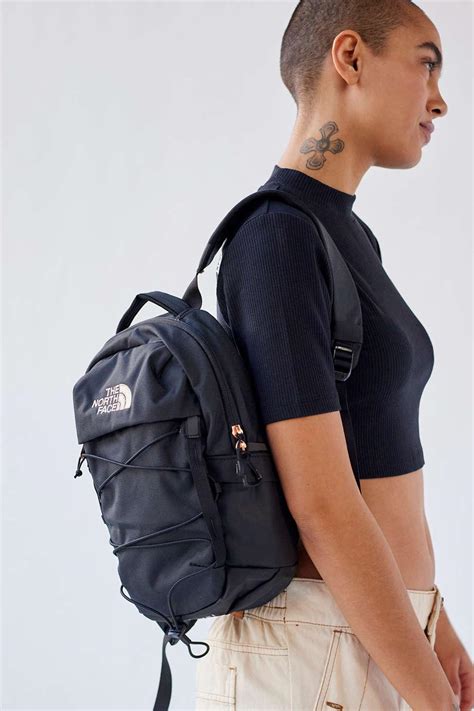
Step 2: Choose Between Hand Washing or Machine Washing
The method you choose will depend on the backpack's care label and your preference.
Hand Washing Your Backpack
If hand washing is recommended or preferred, fill a sink or basin with warm water and add a small amount of mild liquid detergent. Avoid using harsh chemicals, bleach, or fabric softeners, as these can damage the material and coatings. Submerge the backpack and gently scrub it with a soft cloth or sponge. Pay attention to heavily soiled areas. After washing, rinse the backpack thoroughly with clean water until all soap residue is removed.
Machine Washing Your Backpack
If your backpack is machine washable, ensure all zippers are zipped closed and any Velcro® fasteners are secured. This prevents snagging and damage during the wash cycle. Use a gentle cycle with warm water and a small amount of liquid detergent. Similar to hand washing, avoid powder detergents, fabric softener, and bleach. For best results, you may opt for an extra rinse cycle to ensure all detergent and soil are completely removed.
For GORE-TEX® and DryVent® products, it's important to note that washing them helps restore their durable water repellent (DWR) coating. These garments can be washed in warm (105°F/40°C) water using a small amount of liquid detergent. Avoid powder detergents, fabric softeners, and chlorine bleach. A gentle cycle that minimizes vigorous spinning is recommended to reduce creasing or damage from twisting. You do not need to wash these waterproof garments separately; they can be cleaned with similar, lightly soiled items. A second rinse cycle is suggested to ensure complete removal of detergent and soil.
Stain removers are generally not recommended for GORE-TEX® and DryVent® products. Instead, use liquid detergent in the pre-wash cycle or soak the garment in warm water with liquid detergent. Bleach should never be used, as it can affect the color and performance of the garment.
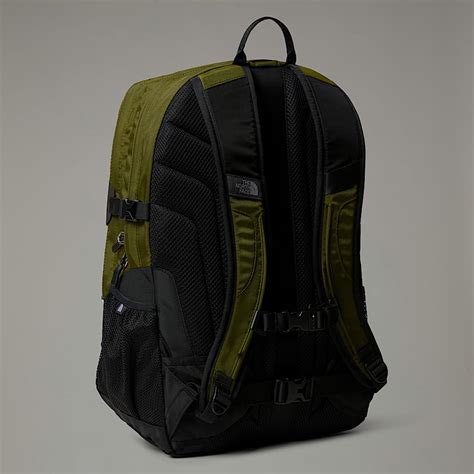
Step 3: Dry Your Backpack Properly
Drying is as critical as washing. Never use a high-heat dryer, as this can damage the fabric and coatings. The best way to dry your North Face backpack is to air dry it. After washing, gently squeeze out excess water without wringing the backpack. Hang it upside down or place it in a well-ventilated area away from direct sunlight or heat sources. Ensure the backpack is completely dry before storing or using it to prevent mildew growth.
For down products, it's essential to tumble dry on a long cycle using no heat. Adding a few tennis balls to the dryer can help ensure the down does not clump and maintains its loft. It is crucial to wash and dry down items individually. Washing down products in a bathtub by hand is not recommended due to difficulty in rinsing soap completely, which can damage the insulating value. Dry-cleaning can also reduce the item's loft and damage the down.
For synthetic fill products, tumble drying with a few tennis balls is recommended to restore loft. Tent Mules should be air-dried after cleaning with hot water, a rag, and a gentle cleansing agent. Leather shoes should also be allowed to fully dry naturally, away from direct heat sources.
How Often Should You Wash Your North Face Backpack?
The frequency of washing depends on how often and in what conditions you use your backpack. If your backpack is visibly dirty, carries unpleasant odors, or has been exposed to significant grime, it's time for a wash. For GORE-TEX® and DryVent® garments, washing them as often as needed to remove impurities like dirt, campfire smoke, and cooking odors is beneficial, as it helps restore the DWR coating.
How to Keep Your North Face Backpack Clean Longer
To extend the life of your North Face backpack and keep it clean for longer, consider these tips:
- Regularly empty and shake out debris: This prevents dirt from becoming ingrained in the fabric.
- Wipe down spills immediately: Address spills and stains promptly with a damp cloth.
- Use a ground cloth: When placing your backpack on rough surfaces, especially during outdoor activities, use a ground cloth to protect the bottom.
- Proper storage: Store your backpack in a cool, dry place away from direct sunlight when not in use.
- Reapply DWR coating: If you notice water no longer beads up on the surface, consider using a DWR spray to replenish the water-repellent finish.
For waterproof items, if the DWR finish wears off, water can soak into the outer fabric. Washing the product thoroughly with a soap-based product on a cool to warm cycle, followed by two rinse cycles, can help revive the DWR. Drying in a regular tumble dryer on a cool setting, or touching up with a warm iron on a cool setting, can also revive the DWR finish. After extended use, applying a reproofing product may be necessary.