The growing popularity of "clean" beauty products has significantly increased awareness regarding the importance of understanding the ingredients in everyday skincare. While it might seem daunting to eliminate all potentially problematic ingredients from your routine, this guide aims to simplify the process by highlighting key substances to watch out for.
Understanding Potentially Harmful Skincare Ingredients
Research indicates that certain ingredients found in personal care products may pose risks to your health. These can range from hormone disruptors linked to reproductive issues to known carcinogens. It can be challenging to directly connect exposure to a specific outcome, as effects might not be immediate but could increase long-term risks.
Formaldehyde
Formaldehyde is a colorless gas with a pungent odor, primarily known for its use as an embalming fluid. In skincare and haircare products, it is often used as a preservative. It can be drying and may cause irritation and allergic reactions. In high concentrations, inhalation can be a carcinogenic concern.
Phthalates
Phthalates are synthetic compounds used in manufacturing various products, including plastics and personal care items. They are frequently used in fragrances to enhance scent and are rarely disclosed explicitly on labels. Phthalates are known hormone disruptors and have been linked to poor reproductive health, including preterm birth in pregnant women with high exposure levels. To avoid them, look for products labeled "phthalate-free."
Parabens
Parabens are man-made chemicals widely used as preservatives in cosmetics, skincare, food, and pharmaceuticals. You might find them listed on labels as propylparaben or other variations, or under alternative names like propyl 4-hydroxybenzoate. Parabens have been associated with cancer and hormone disruption.
Coal Tar
A byproduct of the coal industry, coal tar is a thick, black liquid that is a known human carcinogen. Despite this, it is still found in some skincare products, including prescription treatments for conditions like rosacea and psoriasis. Labels may list "coal tar" or its derivatives, such as benzene and toluene.
Mineral Oils
Derived from the crude oil industry, untreated and mildly treated mineral oils are classified as known human carcinogens. They have been linked to an increased risk of non-melanoma skin cancers. These ingredients can form a barrier on the skin that traps bacteria and impurities, potentially clogging pores and causing breakouts. They can also interfere with the skin's natural detoxification process.
Ethylene Oxide
Ethylene oxide is an organic compound found in household cleaners, tobacco smoke, and vehicle exhaust, as well as personal care items. In skincare, it is used to improve water solubility. This ingredient is considered carcinogenic.
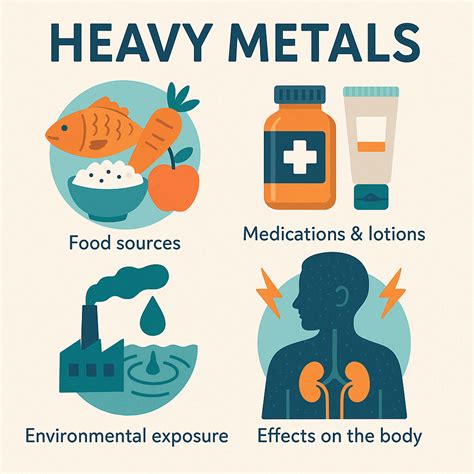
Heavy Metals: Cadmium, Arsenic, and Chromium
- Cadmium: A heavy metal historically used as a pigment in cosmetic products.
- Arsenic: A naturally occurring metal known for its high toxicity and cancer-causing properties in humans.
- Chromium: Another heavy metal used as a color additive in cosmetic products.
Crystalline Silica
Derived from the mineral quartz, crystalline silica is listed as a known carcinogen, particularly linked to lung cancer.
Ethanolamine Compounds
Ethanolamine compounds, such as cocamide DEA, MEA, and TEA, are used to balance skin pH and create foam and creamy textures. While controversial, they have been linked to skin irritation and, in some research, potential carcinogenicity.
Siloxanes
Ingredients ending in "siloxane" or "methicone" are used to soften, moisturize, and smooth the skin. However, they are known to disrupt the endocrine system and are considered reproductive toxicants.
1,4 Dioxane
1,4 dioxane is a contaminant that can appear in trace amounts in some cosmetics. It has been identified as a potential carcinogen by the Department of Health and Human Services. The FDA notes that it may be present in ingredients containing prefixes, words, or syllables like "PEG," "Polyethylene," "Polyethylene glycol," "Polyoxyethylene," "-eth-," or "-oxynol-."
Artificial Fragrance
The term "fragrance" on an ingredient list can encompass hundreds of chemicals, making it difficult to assess their safety. Fragrance is considered a trade secret, so manufacturers are not legally required to disclose its components. Many artificial fragrances can cause allergic reactions, both topical and respiratory. Phthalates are often used in fragrances to enhance scent and color.
Navigating Skincare Labels and Regulations
The Food and Drug Administration (FDA) has a limited list of banned or restricted chemicals in cosmetics. The process for adding new restrictions is lengthy and bureaucratic. The FDA's current stance is that there is often insufficient scientific evidence to prove these ingredients are harmful as used in cosmetics. This places the responsibility on consumers to scrutinize ingredient lists and make informed decisions.
While some ingredients like parabens are usually clearly listed, others like phthalates are often not. Pay attention to alternative names and prefixes/suffixes that might indicate the presence of certain chemicals, such as 1,4 dioxane.
Tips for a Cleaner Skincare Regimen
It's not necessary to eliminate all potential irritants at once. A gradual approach is more sustainable. If you are ever unsure about an ingredient's safety, consult your dermatologist.
Reduce Product Usage
Many people use more products daily than they realize. A 2023 study found that women use an average of 19 products daily, and men use seven. Taking stock of your routine and identifying essential versus non-essential products can help reduce exposure. For instance, consider if a single product can replace two, or if a step in your routine can be skipped.
Look for Safer Alternatives
When you've identified products containing ingredients you wish to avoid, research similar alternatives. Look for labels that explicitly state "phthalate-free" and "paraben-free." Many effective and safer options are available.
Be Wary of Marketing Terms
Terms like "green" or "all natural" do not guarantee safety. Always check the ingredient list if you are unsure. Conversely, not all synthetic chemicals are harmful; some are verified to be of low concern by regulatory bodies.
Consider "Edible" Ingredients
Some experts suggest opting for products made with ingredients that are safe for consumption, implying a higher standard of safety.
How To Read Cosmetics Ingredient Labels
Making swaps gradually as products run out is a more manageable and sustainable way to transition to a cleaner skincare routine.
tags: #skincare #ingredients #to #avoid