After undergoing laser skin resurfacing, particularly with a CO₂ laser, a common question arises regarding when it is safe to resume wearing makeup. While the desire to return to your regular routine is understandable, applying makeup too soon can impede the healing process and increase the risk of complications such as infection and irritation. It is crucial to allow your skin adequate time to regenerate and heal before introducing cosmetic products.
The Healing Process After CO2 Laser Resurfacing
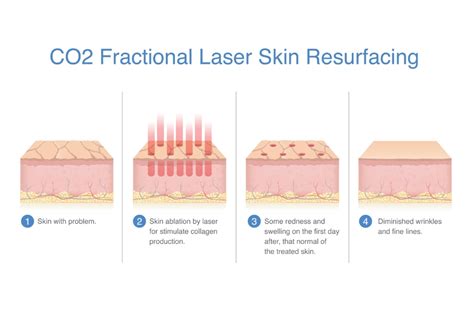
CO₂ laser resurfacing is an advanced ablative laser treatment that works by creating controlled micro-injuries to the skin's surface. This process vaporizes columns of tissue, stimulating the skin's natural healing capabilities and promoting the growth of new, healthier skin. During the initial healing phase, the outer layer of skin is actively regenerating. This newly formed skin is delicate, highly sensitive, and not yet equipped to handle the potential contaminants and irritants found in makeup.
The regeneration of the epidermis typically takes a significant amount of time. For a full CO₂ laser resurfacing treatment, this period can extend to 10-14 days. During this critical window, the skin's primary focus is on repair and recovery. Introducing makeup, even high-quality and clean products, can harbor bacteria that may lead to infection, cause significant irritation, or delay the overall healing timeline.
When Can You Safely Wear Makeup?
The consensus among dermatologists and plastic surgeons is to exercise patience and allow the skin to heal completely before reintroducing makeup. While specific timelines can vary based on the individual's skin type, the depth of the laser treatment, and the specific laser settings used, general guidelines can be provided.
Full CO₂ Laser Resurfacing
For a full CO₂ laser resurfacing treatment, it is generally advised to avoid makeup for at least 10 days. Some practitioners recommend a slightly longer waiting period of up to 10-14 days to ensure the skin has fully epithelialized, meaning the surface layer is intact and no longer "raw."
Non-Ablative Laser Treatments
Non-ablative laser treatments, which do not remove the outer layer of skin, typically have a shorter recovery period. In these cases, makeup may be safely reintroduced after several days, usually around 5-7 days, once the initial redness and sensitivity have subsided.
Fractional CO2 Laser Treatments
Fractional CO₂ laser treatments, which create microscopic treatment zones, also have a recovery period where makeup should be avoided. The skin typically completes its re-epithelialization within 5-7 days for a typical fractional CO₂ laser treatment. During this time, the skin may be peeling and flaking, and it is best to refrain from applying makeup.
Choosing the Right Makeup and Application Techniques
Once your surgeon or dermatologist gives you the green light to wear makeup, it is essential to select products carefully and apply them with caution to minimize any potential for irritation or complications.
- Hypoallergenic and Fragrance-Free Formulas: Opt for makeup that is specifically labeled as hypoallergenic and fragrance-free. These products are less likely to contain ingredients that can trigger allergic reactions or irritate sensitive post-laser skin.
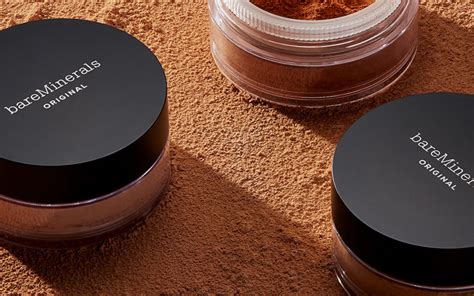
- Mineral-Based Makeup: Mineral-based makeup is often recommended as it tends to be gentler on the skin and less likely to clog pores. Look for formulations containing zinc oxide or titanium dioxide, which can also offer some sun protection.
- Clean Application Tools: Always use clean makeup brushes, sponges, or applicators. Bacteria can easily accumulate on these tools, leading to infections. It is advisable to wash your makeup brushes regularly with a gentle soap and water.
- Thorough Removal: At the end of the day, it is crucial to remove all makeup thoroughly using a mild, non-stripping cleanser. Avoid harsh scrubbing, as this can further irritate the healing skin.
Post-Laser Skincare Regimen
During the period when makeup is not permitted, your focus should be on proper post-laser skincare to support optimal healing. This typically involves:
- Moisturizing: Keeping the skin well-hydrated is paramount. Apply a gentle, fragrance-free moisturizer recommended by your doctor. Occlusive ointments like Aquaphor or Vaseline may be recommended in the initial stages to create a protective barrier.
- Cleansing: Cleanse your skin gently with a mild, non-foaming cleanser. Lukewarm water is preferred over hot water. Some practitioners recommend specific cleansing solutions, such as diluted vinegar soaks, to maintain a clean wound environment.
- Sun Protection: Your skin will be extremely sensitive to the sun after laser resurfacing. It is imperative to apply a broad-spectrum sunscreen with SPF 30 or higher daily, even on cloudy days or when indoors, as UV rays can penetrate windows. Mineral-based sunscreens containing zinc oxide or titanium dioxide are often recommended.
- Patience: Healing is a personal journey, and everyone's skin responds differently. Avoid the temptation to rush the process or to apply makeup before your skin is ready.
Caring for your Skin after Laser Resurfacing
When to Consult Your Surgeon
While general guidelines exist, your surgeon's personalized recommendations are the most important. Every patient's skin type, laser setting, and healing response are unique. Your surgeon will provide specific aftercare instructions, including which products to use, how often, and when it is safe to reintroduce makeup.
During your post-treatment visits, your surgeon will evaluate your skin's progress, adjust your aftercare regimen if necessary, and advise you on the exact timeline for resuming makeup application. If you experience any redness, burning, itching, or new breakouts after attempting to wear makeup, it is advisable to take a break for several more days and continue with your prescribed post-laser skincare routine. Consulting with your surgeon is always the best course of action to ensure a safe and effective recovery, balancing aesthetic results with long-term skin health.