The internet offers a plethora of solutions when searching for how to cover acne marks with makeup. A quick search reveals a vast array of techniques, from foundation application and pinpoint concealer methods to more specialized approaches. However, the desire to feel good in one's own skin, even without makeup, can feel like a radical act in a world that often emphasizes cosmetic coverage.
The idea of stepping out bare-faced, especially when dealing with acne or its aftermath, can be daunting. For many, makeup serves as a form of emotional or physical armor. The convenience of a quick makeup routine can often override the motivation to embrace one's natural skin, leading to a reliance on foundation or concealer even for minor blemishes.

Understanding Acne and Its Aftermath
Acne, medically known as acne vulgaris, is a common skin condition that arises when hair follicles become clogged with oil and dead skin cells. This blockage can lead to the formation of various types of blemishes, including whiteheads, blackheads, papules, pustules, nodules, and cysts. While often associated with adolescence due to hormonal fluctuations, acne can affect individuals of all ages, influenced by factors such as stress, diet, genetics, and certain medications.
What Causes Pimples?
The primary cause of pimples is the clogging of pores. This occurs when excess sebum, an oily substance produced by the sebaceous glands to lubricate the skin, mixes with dead skin cells. Bacteria, such as C. acnes, which normally reside on the skin, can thrive in this environment, triggering an inflammatory response that results in a pimple.
Factors Contributing to Breakouts:
- Hormonal Changes: Fluctuations, particularly during puberty and at other times, can increase sebum production, making breakouts more likely. Stress hormones like cortisol can also elevate oil production.
- Diet: Some research suggests a link between certain foods and acne. Dairy products and high-glycemic foods (those that rapidly raise blood sugar) may exacerbate breakouts in some individuals. Conversely, consuming "good fats" found in fish might be beneficial.
- Skincare and Makeup Products: Certain ingredients in cosmetic and skincare products, including some oils (like coconut oil), can clog pores and contribute to pimples. Opting for products labeled "non-comedogenic" is recommended.
- Medications: Some medications and supplements, such as steroids and lithium, can trigger acne in certain individuals. It is crucial to consult a healthcare provider before altering any medication regimen, as drug-induced breakouts can often be managed with standard acne treatments.
Different Types of Pimples
Understanding the type of pimple can inform the best approach for concealment and treatment:
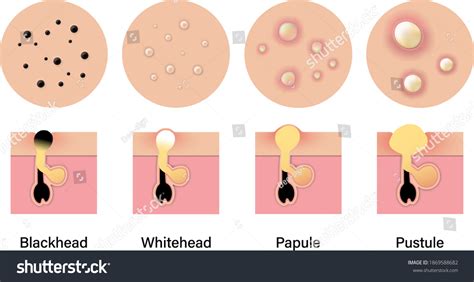
- Whiteheads: Closed clogged pores, appearing as small, flesh-colored bumps.
- Blackheads: Open clogged pores where trapped oil and dead skin cells oxidize, giving them a dark appearance.
- Papules: Small, red, or pink inflamed bumps.
- Pustules: Similar to papules but with pus at the tip, appearing white or yellowish.
- Nodules: Large, painful bumps that form deep within the skin and can take a long time to heal.
- Cysts: Similar to nodules but filled with pus, often larger and more painful.
Preparing Your Skin for Concealment
Before attempting to hide any blemishes, proper skin preparation is essential. This involves maintaining good skin hygiene and selecting appropriate skincare products.
The Importance of Skin Hygiene
Keeping the skin clean is paramount for preventing further breakouts and promoting overall skin health. Regular cleansing, ideally twice daily with a gentle cleanser, helps remove excess oil, dirt, and dead skin cells. Exfoliation, performed once or twice a week, can further remove dead skin cell buildup, allowing the skin to breathe and preventing clogged pores.
Choosing the Right Skincare Products
Selecting skincare products suited to your skin type can significantly improve its condition. Look for products that are non-comedogenic to avoid pore-clogging. Ingredients like salicylic acid (for exfoliation and inflammation reduction) and benzoyl peroxide (to combat acne-causing bacteria) can be beneficial.
For cleansing, opt for formulas designed for acne-prone skin. Alcohol-free toners with soothing ingredients like witch hazel or aloe vera can help balance the skin's pH. Lightweight, non-greasy, and non-comedogenic moisturizers are crucial for maintaining hydration without exacerbating breakouts. Lastly, daily application of a broad-spectrum sunscreen with an SPF of 30 or higher is vital to prevent sun damage and reduce the risk of post-inflammatory hyperpigmentation, which can make acne scars more noticeable.
Step-by-Step Guide to Hiding Pimples Without Makeup
Concealing pimples without makeup is achievable through various techniques that focus on reducing inflammation, promoting healing, and subtly camouflaging blemishes.
1. Ice Application
To reduce inflammation and discomfort, apply an ice cube directly to the pimple. This can help decrease redness and minimize swelling. Some research suggests that cooling the skin may also reduce sebum production.
2. Warm Compress
While ice is best for immediate reduction, a warm compress can help bring a pimple to a head more quickly. Applying heat can relax blood vessels and increase blood flow, potentially speeding up the healing process.
3. Over-the-Counter Spot Treatments
Spot treatments are formulated with antibacterial and anti-inflammatory ingredients to quickly reduce swelling and redness. Key ingredients to look for include salicylic acid, benzoyl peroxide, green tea, aloe vera, and cucumber.
4. Pimple Patches
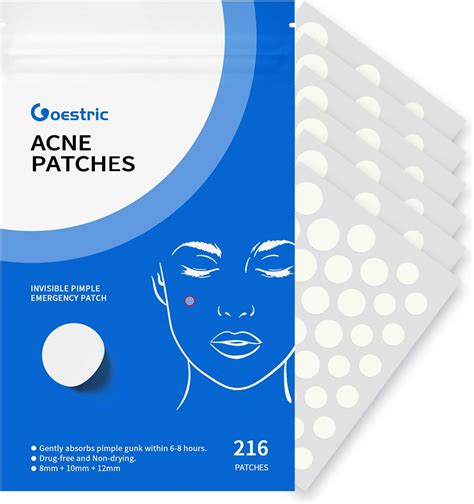
Hydrocolloid patches are effective for targeting blemishes. They absorb excess oil and pus, helping to shrink the pimple and accelerate healing while maintaining skin moisture. These patches are often ultra-thin and can be worn discreetly throughout the day.
5. Natural Remedies
For those preferring a natural approach, certain remedies can be effective. A cool compress made with a green tea bag may help reduce redness. Tea tree oil, diluted before application, possesses anti-inflammatory and antimicrobial properties. Clay masks can also help by drawing out excess oil and impurities, potentially reducing the pimple's size and redness.
6. Strategic Use of Accessories
Accessories can be a simple and effective way to hide pimples. Hairstyles can be arranged to cover blemishes, and items like hats, headscarves, sunglasses, or even face masks can provide coverage. Decorative face jewels can also be a creative option, as can any accessory that draws attention away from the blemish and boosts confidence. It is important to ensure that any adhesives used for accessories do not irritate the skin.
Maintaining a Pimple-Free Skin
While hiding pimples is a temporary measure, preventing future breakouts is crucial for maintaining clear and healthy skin.
Healthy Diet for Clear Skin
A diet rich in antioxidants, such as fruits and vegetables, can help reduce inflammation and promote skin healing. Adequate hydration and limiting excessive consumption of sugary and greasy foods can also contribute to a clearer complexion.
Essential Skincare Routine
Establishing a consistent skincare routine is imperative. This typically involves cleansing, toning, and moisturizing the skin twice daily, along with using targeted spot treatments as needed.
Frequently Asked Questions About Pimples
Can Pimples Be Prevented?
While pimples cannot always be entirely prevented, their occurrence can be minimized through good skin hygiene, a healthy diet, and avoiding touching or picking at the face.
When to Seek Professional Help?
For most cases, pimples can be managed at home. However, if you have severe acne causing significant distress or scarring, consulting a dermatologist is advisable for personalized advice and treatment options.