Chlorhexidine is a widely utilized antiseptic agent known for its antimicrobial properties. While generally safe and effective, it is also recognized as a potentially allergenic substance capable of inducing hypersensitivity reactions, ranging from mild skin irritation to severe anaphylaxis.
Understanding Chlorhexidine and Allergic Reactions
Chlorhexidine, a synthetic cationic bis-biguanide introduced in 1954, is incorporated into numerous products, including mouthwashes, toothpastes, plasters, dressings, ointments, suppositories, and disinfectant solutions. Despite its widespread use, adverse reactions have been documented in the literature for over three decades. Most reported reactions have been limited to the skin and were mild in severity.
However, Type I hypersensitivity reactions, including anaphylaxis, have been reported since 1984, though they are considered rare. Over a ten-year period, only 50 case reports of chlorhexidine-related anaphylaxis were published. In contrast, a high rate of reactions to chlorhexidine was observed in Japan, leading to specific recommendations regarding maximum concentrations used.
There are numerous case reports describing IgE-mediated anaphylactic reactions to chlorhexidine, often associated with anesthesia and surgery. The true incidence of anaphylaxis to chlorhexidine remains unknown and is likely underestimated. Immediate allergic reactions are the most serious adverse reactions to chlorhexidine, with anaphylaxis being the most severe form, requiring immediate treatment with adrenaline (epinephrine).
Chlorhexidine allergy is a recognized cause of anaphylaxis during surgery. Allergic reactions to chlorhexidine are becoming more frequent, possibly due to the increased use of chlorhexidine-containing products. As chlorhexidine can be present as a coating agent on medical devices like central venous lines, allergic reactions can be challenging to diagnose. Individuals with chlorhexidine allergy may experience multiple reactions due to misdiagnosis or accidental re-exposure resulting from inadequate labeling or awareness.
Symptoms of Chlorhexidine-Related Reactions
Symptoms associated with chlorhexidine reactions can vary in severity and presentation. These can include:
- Irritant Contact Dermatitis: This is not a true allergic reaction but can cause discomfort, characterized by itching, redness, or burning in the area of application.
- Allergic Contact Dermatitis: A delayed hypersensitivity reaction that can cause discomfort. Some individuals with allergic contact dermatitis may later develop immediate allergic reactions.
- Immediate Hypersensitivity Reactions (Type I): These are the most serious and can manifest as:
- Flushing
- Urticarial rash (hives)
- Facial swelling
- Hypotension (low blood pressure)
- Tachycardia (rapid heart rate)
- Breathlessness
- Generalized pruritus (itching)
- Anaphylaxis: The most severe form, requiring immediate medical attention.
In some cases, individuals may experience symptoms such as peeling skin inside the mouth when using chlorhexidine mouthwashes. Sore throat and dental treatment-related issues can also occur. These common side effects are usually mild and temporary.
Causes of Chlorhexidine Allergic Reactions
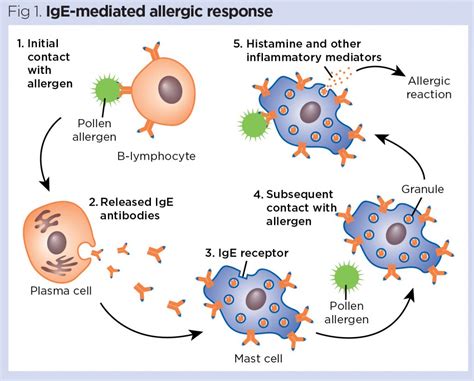
Allergic reactions to chlorhexidine occur when the immune system overreacts to the substance. This can happen through various routes of exposure:
- Skin Contact: Direct application of chlorhexidine-containing products like antiseptic wipes, solutions, or creams.
- Medical Devices: Exposure through medical devices coated with chlorhexidine, such as central venous catheters, urinary catheters, and surgical swabs.
- Surgical and Anesthetic Procedures: Chlorhexidine is frequently used as a pre-operative skin disinfectant or in gels for medical procedures, increasing the risk of exposure during surgery.
- Oral Use: Mouthwashes and toothpastes containing chlorhexidine can lead to oral irritation or, less commonly, systemic reactions.
A significant number of patients experiencing anaphylactic reactions to chlorhexidine during surgery had a previous history of reactions upon re-exposure. This suggests a potential for sensitization and subsequent severe reactions.
Diagnosis of Chlorhexidine Allergy
Diagnosing chlorhexidine allergy typically involves a comprehensive assessment by a healthcare professional, often an allergist.
Medical History and Clinical Assessment
A detailed medical history is crucial, focusing on previous reactions to chlorhexidine or similar substances. The clinical presentation and timing of symptoms in relation to exposure are carefully evaluated.
Allergy Testing
Several tests can be performed to confirm or exclude chlorhexidine allergy:
- Specific IgE Blood Tests: These tests measure the level of IgE antibodies specific to chlorhexidine in the blood. Elevated levels can indicate sensitization.
- Skin Tests:
- Skin Prick Test: A small amount of chlorhexidine solution is pricked into the skin. A positive reaction is indicated by the development of a wheal and flare.
- Intradermal Test: A small amount of the allergen is injected just under the skin. This test is more sensitive than the prick test but also carries a higher risk of false positives and adverse reactions.
- Mast Cell Tryptase Levels: Elevated mast cell tryptase levels, particularly when measured within a few hours of an anaphylactic event, can support the diagnosis of an allergic reaction.
It is important to note that some patients may develop irritant dermatitis, which is not a true allergic reaction and would not be detected by these specific allergy tests. A doctor will assess the clinical history to differentiate between irritant and allergic reactions.
Treatment and Management of Chlorhexidine Reactions
The management of chlorhexidine reactions depends on their severity.
Immediate Management of Anaphylaxis
Anaphylaxis is a medical emergency requiring immediate treatment:
- Adrenaline (Epinephrine): The first-line treatment, administered intramuscularly into the outer mid-thigh.
- Antihistamines: Such as chlorphenamine, to help manage urticaria and itching.
- Corticosteroids: Such as hydrocortisone, to reduce inflammation and prevent a prolonged or biphasic reaction.
- Intravenous Fluids: To manage hypotension.
Management of Skin Reactions
For milder skin reactions like irritant or allergic contact dermatitis:
- Discontinuation of Exposure: The most crucial step is to stop using any chlorhexidine-containing products.
- Topical Corticosteroids: May be prescribed to reduce inflammation and itching.
- Antihistamines: Oral antihistamines can help alleviate itching.
Long-Term Management and Prevention
For individuals diagnosed with chlorhexidine allergy:
- Strict Avoidance: Complete avoidance of chlorhexidine is essential. This includes being aware of its presence in various consumer and medical products.
- Medical Alert Identification: Carrying medical identification that states the allergy to chlorhexidine can be vital for medical professionals in emergencies.
- Action Plans: Discussing and developing an ASCIA Action Plan for Allergic Reactions or Anaphylaxis with a doctor is recommended.
- Awareness and Labeling: Improved awareness and clear labeling of products containing chlorhexidine are critical to prevent accidental re-exposure.
There is currently no evidence that chlorhexidine allergy resolves with time or by avoidance.
The EpiPen® Auto-injector for Anaphylaxis
Chlorhexidine Use in Specific Products and Situations
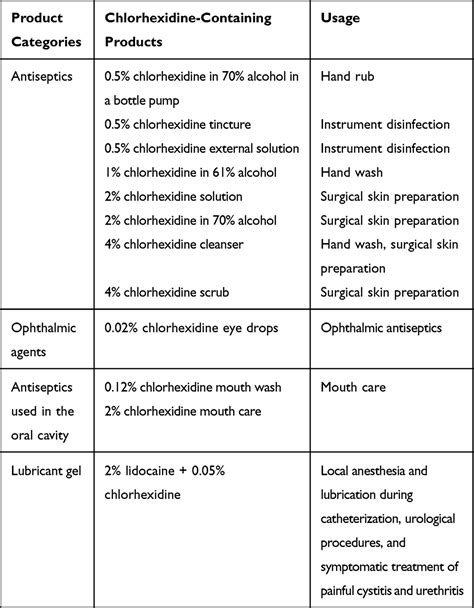
Chlorhexidine is found in a variety of forms and is used in different clinical settings:
Surgical Scrubs and Antiseptic Solutions
Products like Betasept®, Hibiclens®, and Dyna-Hex are used for skin cleaning before surgery or injections. These formulations often contain alcohol and are flammable, requiring careful use in well-ventilated areas.
Hand Rinses and Wipes
Hand hygiene products containing chlorhexidine are used in healthcare settings to reduce microbial transmission. Examples include Hibistat® for hand rinsing and wipes for hand sanitization.
Medical Device Coatings
Chlorhexidine is used as an antimicrobial coating on medical devices such as central venous catheters (e.g., Biopatch®) and urinary catheters (e.g., Instillagel®, Cathejell®). This application aims to prevent device-associated infections but can be a source of allergic reactions.
Oral Care Products
Mouthwashes (e.g., Corsodyl®) and toothpastes containing chlorhexidine are prescribed for managing oral hygiene issues but can cause local side effects like mouth peeling.
Precautions and Considerations
When using chlorhexidine products, certain precautions should be observed:
- Children: Use in children less than 2 months of age is generally not recommended due to the potential for excessive skin irritation and increased absorption.
- Open Wounds: Some chlorhexidine products should not be used on deep or open skin wounds.
- Eyes, Ears, Mouth, and Genitals: Chlorhexidine should not be allowed to come into contact with the eyes, ears, mouth, or genital areas. If accidental contact occurs, rinse thoroughly with water.
- Flammability: Products containing high concentrations of alcohol (e.g., Chloraprep®, Hibistat®) are flammable. Avoid use near open flames, heat sources, or while smoking.
- Staining: Chlorhexidine can cause a brown stain on clothing, especially in the presence of chlorine. Use non-chlorine products for washing exposed fabrics.
- Interactions: Inform your healthcare professional about all other medications you are taking, as potential drug interactions may occur.
It is imperative to use chlorhexidine products strictly as directed by a healthcare professional and to follow all instructions for proper application and skin care.
tags: #chlorhexidine #skin #rash