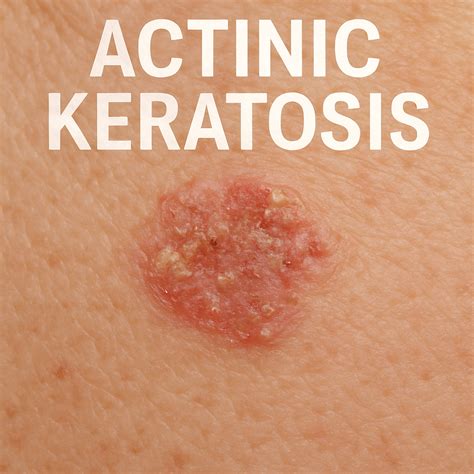
Actinic keratoses (AKs), also known as solar keratoses, are rough, scaly patches that develop on the skin as a result of years of exposure to ultraviolet (UV) radiation. These lesions are considered precancerous skin lesions, meaning they have the potential to develop into squamous cell carcinoma, a common form of skin cancer, if left untreated. Understanding the causes, symptoms, and treatment options for actinic keratoses is crucial for effective skin cancer prevention and long-term skin health.
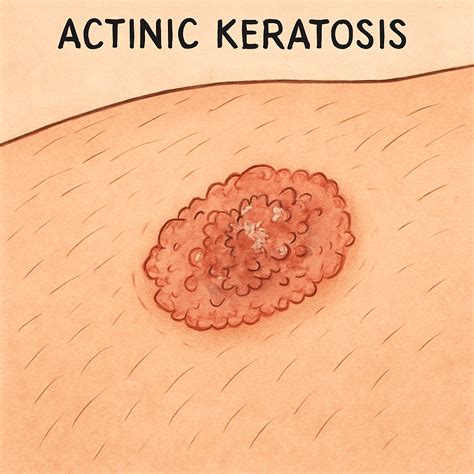
Actinic keratoses typically appear as rough, sandpaper-like spots, which can be flat or raised. Their color can range from red, pink, or brown to skin-colored. Because these lesions develop slowly over many years, early detection and intervention offer the best chance to prevent their progression into more serious conditions.
Causes of Actinic Skin Damage
The primary cause of actinic keratoses is cumulative and long-term exposure to ultraviolet (UV) radiation. This exposure can originate from natural sunlight or artificial sources like tanning beds. UV radiation directly damages the DNA of skin cells, and over extended periods, this damage can lead to the abnormal growth of cells, manifesting as actinic keratoses.
Key Contributing Factors:
- UV Exposure: Chronic exposure to the sun or tanning beds is the main driver.
- Skin Type: Individuals with fair skin, light-colored eyes, or light hair have lower levels of melanin, offering less natural protection against UV rays. People who burn more easily are more susceptible.
- Age: The cumulative effect of UV exposure over many years makes actinic keratoses more prevalent in older adults.
- Geographic Location: Living in areas with high UV intensity, such as those closer to the equator, at higher altitudes, or in consistently sunny regions, increases risk.
- Outdoor Activities: Frequent and prolonged time spent outdoors, especially without adequate sun protection during activities like gardening, hiking, or sports, contributes to cumulative UV exposure.
- Genetics: While not a direct cause, certain genetic predispositions, such as a tendency to burn rather than tan, fair hair and eyes, and freckles, can increase susceptibility.
Symptoms and Identification
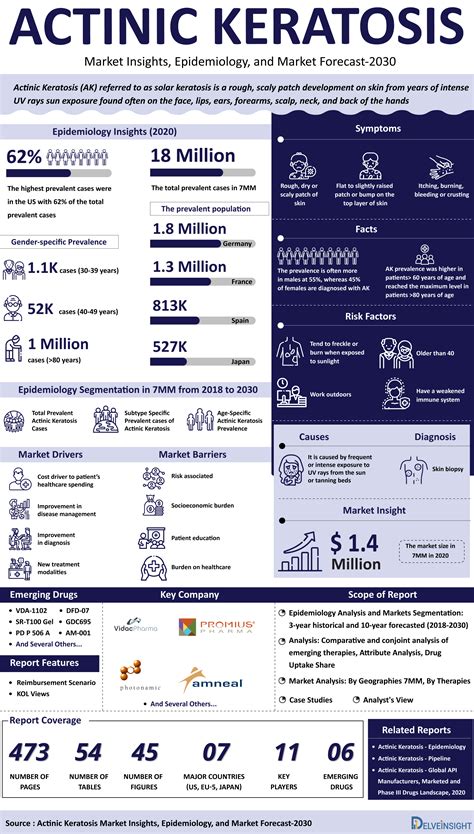
Actinic keratoses often feel rough to the touch, similar to sandpaper. They may be more easily felt than seen, especially in their early stages. While they are typically not painful, some lesions can become itchy, tender, or even bleed, particularly if they begin to develop into squamous cell carcinoma.
Common Presentation:
- Rough, scaly patches or spots.
- May appear red, pink, brown, or skin-colored.
- Can be flat or slightly raised.
- Often found on sun-exposed areas such as the face, scalp, ears, lips, neck, forearms, and the backs of the hands.
- May occur singly or in clusters.
- The surrounding skin may appear sun-damaged, exhibiting blotchiness, freckles, or wrinkles.
It is important to note that some actinic keratoses may spontaneously resolve. However, due to the underlying sun damage and the potential for progression, they are typically treated.
Diagnosis
Diagnosing actinic keratoses is usually straightforward and is often done through a clinical examination. A dermatologist will assess the appearance and texture of the lesions. If there is any doubt, a small sample of the lesion may be taken for a biopsy using a curette to analyze the cells under a microscope.
Treatment Options
The goal of treating actinic keratoses is to eliminate the abnormal cells, prevent their progression into squamous cell carcinoma, and improve the skin's overall health. Various treatment modalities are available, with the choice depending on the number, size, location, and depth of the lesions, as well as the patient's overall health and preferences.
Common Treatments Include:
- Cryotherapy: This is a widely used first-line treatment where liquid nitrogen is applied to freeze and destroy the lesion. The treated skin cells die and eventually peel off. Temporary redness, swelling, and mild scarring can occur.
- Topical Medications: These include creams and gels applied directly to the skin. Medications like 5-fluorouracil, imiquimod, diclofenac, and tirbanibulin work by causing the body to react against and eliminate the abnormal cells. These treatments can cause temporary redness, peeling, crusting, and discomfort as damaged cells are cleared. They are particularly effective for patients with multiple or widespread actinic keratoses.
- Photodynamic Therapy (PDT): This two-step treatment involves applying a light-sensitive solution to the skin, followed by exposure to a specific wavelength of light. The light activates the solution, selectively destroying the abnormal cells while sparing healthy tissue. PDT is minimally invasive, well-tolerated, and can be effective for facial and scalp lesions.
- Curettage and Electrosurgery: Curettage involves scraping away the visible lesion with a curette, followed by electrosurgery, which uses an electrical current to destroy any remaining abnormal cells. This procedure is efficient but may cause temporary pigmentation changes or mild scarring.
- Surgical Excision: For thicker or more concerning lesions, surgical removal may be necessary, where the lesion is cut out and the wound is closed with stitches. The removed tissue is typically sent for pathological examination.
What is Photodynamic Therapy?
Prevention of Actinic Skin Damage
Preventing actinic keratoses hinges on consistent and long-term protection of the skin from harmful UV radiation. Since sun damage is cumulative, early and ongoing preventative measures are essential.
Key Prevention Strategies:
- Sunscreen Use: Apply a broad-spectrum sunscreen with an SPF of 30 or higher daily, even on cloudy days. Reapply every two hours, and more frequently if swimming or sweating.
- Sun Avoidance: Limit direct sun exposure during peak hours (typically between 10 a.m. and 4 p.m.). Seek shade whenever possible.
- Protective Clothing: Wear wide-brimmed hats, sunglasses, and clothing that covers the skin, especially during prolonged outdoor activities.
- Avoid Tanning Beds: Tanning beds emit harmful UV radiation and significantly increase the risk of skin cancer and the development of actinic keratoses.
- Regular Skin Checks: Perform monthly self-examinations of your skin and schedule regular professional skin screenings with a dermatologist, especially if you have risk factors.
Paying attention to changes in your skin and seeking prompt medical evaluation for any new, changing, or unusual spots is paramount. Early detection and treatment of actinic keratoses significantly lower the risk of developing skin cancer.