The pursuit of thicker, fuller, and healthier hair has led to the development of numerous specialized products, among which advanced hair growth serums stand out. These potent formulations are designed to target the root causes of hair thinning and loss, offering a comprehensive approach to hair revitalization. Understanding the benefits and key ingredients of these serums is crucial for making informed choices about hair care.
Key Benefits of Advanced Hair Growth Serums
Advanced hair growth serums offer a multifaceted approach to improving hair health and density. Their primary goal is to stimulate the hair follicles, promote a healthy scalp environment, and strengthen existing hair strands. This leads to noticeable improvements in hair thickness, reduced shedding, and enhanced overall hair vitality.
Core Ingredients and Their Functions
The efficacy of any hair growth serum lies in its carefully selected ingredients. These components work synergistically to deliver targeted benefits:
1. Water (H2O)
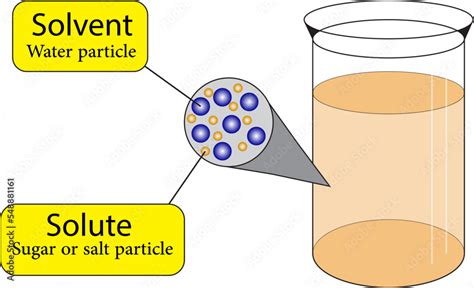
Often the most abundant ingredient in cosmetic formulations, water serves as the primary solvent. The water used in cosmetics is typically purified and deionized, meaning mineral ions that could potentially interfere with the product's stability or efficacy are removed. While seemingly simple, it is fundamental for dissolving and delivering other active ingredients.
2. Amino Acids: The Building Blocks of Hair
Amino acids are essential for the synthesis of proteins, including keratin, the primary structural component of hair. Advanced serums often include specific amino acids to support hair structure and growth:
- L-Alanine: A non-essential amino acid that the body can produce. It plays a role in the building blocks of skin proteins like collagen and elastin. Its production naturally decreases with age, making topical application beneficial.
- L-Arginine: A semi-essential amino acid, crucial for hair keratin and skin collagen synthesis. It is particularly important for hair growth cycles.
- Glycine: An amino acid that hydrates the skin and may aid in wound healing and wrinkle improvement. It is also a building block for skin proteins like collagen.
3. Plant Extracts: Nature's Potent Actives
Various plant extracts are incorporated for their rich profiles of antioxidants, anti-inflammatory agents, and other beneficial compounds:
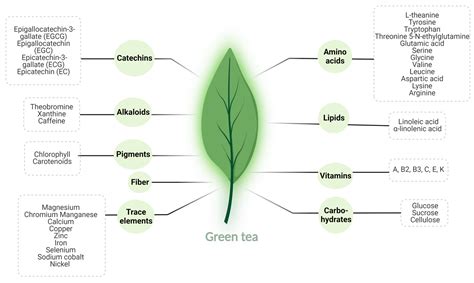
- Green Tea Extract (Camellia Sinensis Leaf Extract): Rich in polyphenols, particularly catechins like EGCG, green tea extract is a powerful antioxidant. Quality can vary significantly between extracts, with EGCG being the most abundant and active catechin.
- Wheat Germ Extract: Derived from wheat germ, this extract functions as a skin and hair conditioner and protectant. It contains gluten, which is a consideration for individuals with allergies.
- Chinese Skullcap Root Extract (Scutellaria Baicalensis Root Extract): A traditional Chinese herbal medicine packed with potent antioxidant and anti-inflammatory flavonoids (baicalin, baicalein, wogonin). It is also claimed to possess antimicrobial and antifungal properties, potentially beneficial against acne-causing bacteria and dandruff-causing fungi, as well as offering skin-brightening effects.
- Rosemary Extract: Contains numerous beneficial compounds like flavonoids, phenolic acids, and diterpenes. Its primary active component, rosmarinic acid, is a potent antioxidant and anti-inflammatory agent.
4. Vitamins and Derivatives
Vitamins play a critical role in cellular function and hair health:
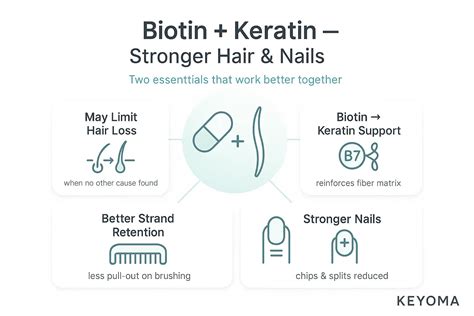
- Biotin (Vitamin H): Also known as Vitamin H, biotin is a key component of many enzymes in the body. It is widely recognized as a supplement for strengthening nails and hair.
5. Moisturizing and Conditioning Agents
These ingredients help to maintain scalp hydration and improve hair texture:
- Propanediol: A natural alternative to propylene glycol, offering moisturizing properties and enhancing the feel of products on the skin.
- Betaine: A sugar beet-derived amino acid derivative that provides excellent skin protection and moisturization.
6. Preservatives and Stabilizers: Ensuring Product Integrity
Preservatives are vital for preventing microbial contamination and extending the shelf life of cosmetic products. Advanced serums often utilize modern, gentle preservatives:
- Phenoxyethanol: A widely used, safe, and gentle preservative. Introduced around the 1950s, it is effective across a broad pH range and is stable at high temperatures. It is often used in conjunction with ethylhexylglycerin to enhance its preservative activity.
- Ethylhexylglycerin: Frequently found alongside phenoxyethanol, this ingredient acts as a preservative booster and skin-conditioning agent, contributing to a pleasant product feel.
- Potassium Sorbate: A preservative that primarily works against mold and yeast. It requires water and an acidic pH (3-4) to break down into its active form, sorbic acid. It is usually used in combination with other preservatives for comprehensive protection.
- Sorbic Acid: A preservative that works mainly against fungi. It requires water and a specific pH range (3-5) to be effective and is often paired with other preservatives.
7. Texture Enhancers
These ingredients improve the sensory experience and stability of the serum:
- Cellulose Gum: Derived from cellulose, the main component of plant cell walls, this ingredient helps to thicken cosmetic products and create gel-like formulations.
- Gluconolactone: A next-generation exfoliating acid (PHA) that gently exfoliates without irritation, moisturizes, and supports the skin barrier.
Hair Loss: Androgenic Alopecia
8. Chelating Agents
While not directly involved in hair growth, these agents are important for product stability:
- Citric Acid: Though its name suggests it's an exfoliant, citric acid in cosmetic formulations primarily acts as a chelating agent. It neutralizes metal ions that can enter the formula from water, preventing undesirable changes and degradation of the product. It is a natural alternative to agents like EDTA.