Hair oiling, a practice deeply rooted in centuries-old Indian tradition and Ayurvedic medicine, involves applying oil to the hair and massaging it into the scalp. This ritual aims to enhance moisture, impart luster, and boost shine. Beyond its aesthetic benefits, hair oiling is believed to soften the hair and replenish essential vitamins and minerals that can be depleted by frequent washing. While its origins lie in Ayurvedic practices, hair oiling has transcended cultural boundaries, becoming a popular method for maintaining hair health and vibrancy. Some experts even suggest it may help reduce hair loss.
The effectiveness of hair oiling can be influenced by specific techniques and the choice of oils, each offering unique benefits. The practice is not merely a cultural tradition for many, including those of South Asian descent, but is also supported by scientific understanding. Massaging oil into the scalp is known to increase blood circulation, which can potentially stimulate hair growth. Furthermore, applying oil to the scalp may also play a role in preventing dandruff.
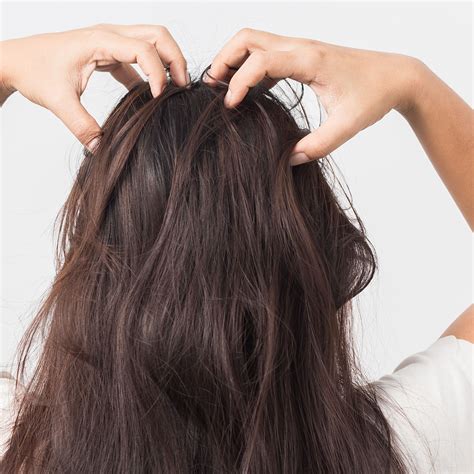
How to Incorporate Hair Oiling into Your Routine
For those looking to try hair oiling, a simple yet effective method involves several steps:
- Begin by applying oil to your scalp and gently massaging it in using your fingertips in a circular motion.
- Next, apply any remaining oil on your palms to the lengths of your hair.
- Cover your hair with a towel or shower cap and leave the oil on overnight for maximum absorption.
- The following day, shampoo your hair while it is still dry. Rinse thoroughly.
- Follow up with your regular conditioner. Coconut oil can also be used as a standalone conditioner.
The Science Behind Hair Oiling
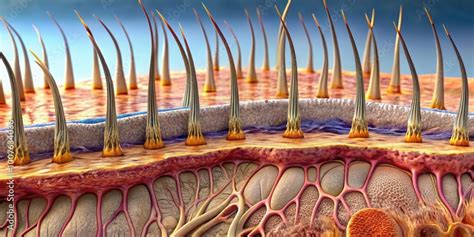
Oils play a crucial role in protecting hair from the daily wear and tear it experiences. Regular hair oiling helps to reduce hygral fatigue, a process involving the swelling and drying of hair. Oils create a protective barrier around the hair follicle, filling the gaps between cuticle cells and shielding them from harsh surfactants found in shampoos.
Dr. Khushboo Garodia, a certified trichologist, explains that oils are rich in fatty acids, which are vital for replacing lipids lost from the hair due to chemical treatments, styling, or environmental pollution. "Lipids play a very important role in making the hair look and feel healthy. They help maintain the shine and gloss of hair," she states. According to Dr. Garodia, oil can strengthen the hair shaft, particularly beneficial for frizzy and dry hair. The benefits are maximized when the oil is left in the hair overnight.
Choosing the Right Oil for Your Hair Needs
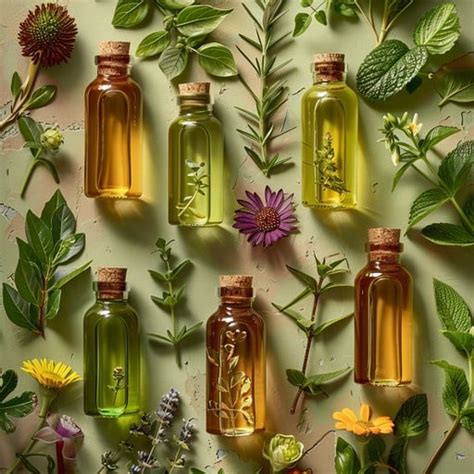
The selection of oil for hair treatment should be tailored to individual hair needs. "Different kinds of oils have different vitamins… and with direct application of these oils, the shaft of the hair gets strengthened," notes Dr. Garodia. Before full application, it is advisable to perform a patch test to ensure there are no allergic reactions.
Commonly Used Oils and Their Benefits:
- Coconut oil: Rich in lauric acid, it has a strong affinity for hair protein, allowing it to penetrate the hair shaft easily and reduce protein loss. It's excellent for deep conditioning and suitable for most hair types.
- Sesame oil: Ideal for dry and frizzy hair, it helps prevent split ends. It is a good source of various vitamins and minerals and offers deep conditioning while smoothing the hair shaft. Its antibacterial and antifungal properties may help combat dandruff.
- Almond oil: Lighter than sesame oil but thicker than coconut oil, it is beneficial for certain hair types. It contains vitamins B, K, and E, with Vitamin E known for reducing oxidative stress. Biotin (Vitamin B7) may also support hair growth, though research on topical application is limited.
- Jaborandi oil: This herbal oil is considered therapeutic and may aid in hair growth, nourish dry scalps, and prevent premature graying. It also moisturizes hair and can help prevent split ends and dandruff.
- Argan oil: High in vitamins A, C, E, antioxidants, and omega-3 fatty acids, argan oil acts as a natural conditioner and strengthens hair.
- Moringa oil: An excellent moisturizer for dry hair due to its oleic acid content. It is often recommended for use with a carrier oil like almond oil.
- Bhringraj and Amla oil: These oils have a cooling effect and are suggested for balancing certain doshas according to Ayurvedic principles, helping to address issues like premature graying and hair thinning.
Ayurvedic Perspectives on Hair Health
In Ayurveda, hair texture and health are closely linked to the concept of doshas: vata (wind), pitta (fire), and kapha (water and earth). These bioenergies are believed to influence an individual's constitution and, consequently, their hair type and health.
- Vata: High vata can lead to thin, frizzy, and dry hair, which benefits significantly from regular oiling.
- Pitta: Individuals with high pitta may experience a mix of oily and dry hair and are more prone to premature graying and alopecia.
- Kapha: High kapha is associated with oily, thick, long, and curly hair.
The choice of oil is often guided by these Ayurvedic principles, aiming to balance the dominant dosha. For instance, coconut and amla oils are often recommended for those with a pitta imbalance.
Integrating Scalp Oils for Holistic Hair Care
Maintaining a healthy scalp is fundamental for achieving luscious, shiny hair. Scalp oil serves as an all-natural remedy that penetrates deep into the scalp, delivering essential nutrients to nourish and moisturize hair follicles. This process can reduce dandruff and flakiness. Furthermore, these oils can stimulate blood flow to the scalp, potentially promoting hair growth and preventing thinning.
Natural oils possess potent properties that can soothe and heal the scalp. They contain vitamins and minerals that strengthen hair strands and prevent breakage. Popular choices for scalp health include coconut oil, jojoba oil, olive oil, and tea tree oil, each offering unique benefits.
Addressing Common Scalp Issues with Natural Oils:
- Dandruff: Coconut oil's lauric acid has antimicrobial properties, while tea tree oil's antifungal and antimicrobial qualities can combat dandruff-causing yeast.
- Dryness and Itchiness: Jojoba oil is rich in vitamins and minerals that nourish and moisturize the scalp, alleviating dryness and flakiness. Lavender oil offers a calming effect.
- Hair Loss: Some oils are believed to stimulate blood flow and block DHT (dihydrotestosterone), a hormone linked to hair loss.
How to Apply Hair Oil Effectively
When incorporating hair oil into your routine, whether for scalp treatment or strand nourishment, a few key principles apply. Start by ensuring your hair is tangle-free. Massage the oil into your scalp using your fingertips or a specialized scalp massager. For a deep conditioning treatment, cover your hair and leave the oil on for an extended period, ideally overnight. The next day, shampoo and condition as usual.
For a quicker treatment, applying oil to the ends of dry hair for 20 minutes to an hour before washing can help manage split ends and add moisture. Experimenting with different oils and application frequencies is encouraged to find what works best for your specific hair type and concerns. Listening to your hair's needs is paramount; if your hair feels greasy, reduce the frequency of oil application, or if it remains dry, consider increasing it or trying a different type of oil.
HAIR OILING MISTAKES THAT WILL RUIN YOUR HAIR! | How to properly oil hair for hair growth
Choosing the Right Oils and Understanding Ingredients
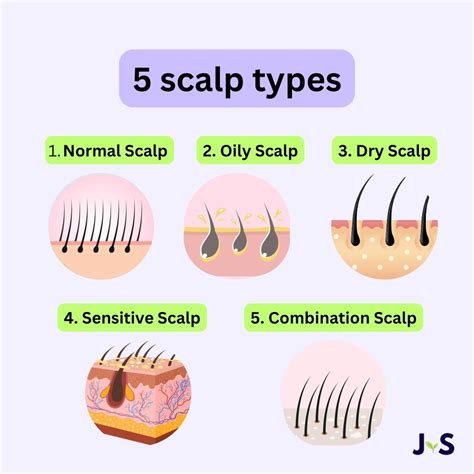
The effectiveness of hair oiling also depends on the quality and type of oil used. Natural oils, free from harsh chemicals, additives, and synthetic fragrances, are generally preferred. When selecting a scalp oil, consider your scalp type (dry, oily, normal) and your hair goals (growth, strength, shine). For dry scalps, moisture-rich oils like jojoba or avocado oil are recommended. Lighter oils such as grapeseed or argan oil are better suited for oily scalps.
It is also essential to evaluate the ingredients list. Opt for products that are free of sulfates, parabens, and phthalates, which can be detrimental to scalp and hair health. High-quality oils are often sourced ethically and produced with care. Blends of natural oils, including essential oils and carrier oils, can offer a comprehensive approach to scalp and hair care.