In the ever-evolving world of skincare, new trends and ingredients frequently emerge, capturing the attention of beauty enthusiasts. One such ingredient that has recently gained significant traction, particularly within the #beautytok community, is turmeric soap.
What is Turmeric?
Turmeric is a flowering plant with a rich history, commonly utilized as a spice in the culinary traditions of India, Southeast Asia, and the Middle East. Its vibrant yellow-orange hue is unmistakable, and it possesses a distinct warm, bitter flavor with a potent, earthy aroma. Beyond its gastronomic applications, turmeric is also recognized for its considerable health benefits, ranging from bolstering the immune system to aiding digestive health.
Turmeric in Skincare
It is unsurprising, then, that turmeric has found its way into the skincare realm. Many users and proponents claim that turmeric possesses antibacterial and anti-inflammatory properties, making it a potentially valuable ingredient for addressing various skin concerns, most notably acne.
However, the question remains: Is there scientific evidence to substantiate these claims, and is turmeric soap universally effective? While numerous individuals have reported positive outcomes with their skin, there are also cautionary tales of increased breakouts associated with its use. Given these mixed reviews, seeking expert opinions is crucial to determine if this golden spice truly warrants a place in your skincare regimen.

Turmeric Soap's Skin-Care Benefits for Acne
According to dermatological experts, turmeric exhibits properties that can be beneficial for acne-prone skin. It is believed to decrease microbial growth and sebum production, which are key factors contributing to acne formation. Furthermore, its anti-inflammatory capabilities play a significant role.
"By reducing skin inflammation, turmeric may help prevent pores from becoming blocked, which leads to pimples," explains dermatologist Joshua Zeichner, MD. He further elaborates that by enabling the skin to function optimally, cell turnover can be enhanced, promoting the production of healthy collagen. This collagen is vital for maintaining a strong skin foundation. The active compound in turmeric, curcumin, is also credited with lightening hyperpigmentation by inhibiting a crucial enzyme involved in melanin production within the skin.
Choosing the Right Turmeric Soap
While the herb offers potential benefits, it's important to understand that a one-size-fits-all approach does not apply to its use in skincare.
Dermatologist Corey L. Hartman emphasizes the distinction between homemade and commercially produced soaps: "Homemade turmeric soap is not held to the same rules and regulations as store-bought soap, whether the soap has turmeric within or not." Commercially sold soaps in countries like the US must adhere to government standards regarding ingredients, manufacturing processes, and overall safety and efficacy. Therefore, it is advisable to purchase turmeric soaps from highly reviewed, reputable soap makers who transparently list all their ingredients.
The concentration of turmeric in a soap is also a critical factor. Dr. Hartman suggests that a range of 5 to 15 percent turmeric is typically most effective. Exceeding this percentage may not necessarily yield better results and could potentially increase the risk of adverse reactions.
Recommended Turmeric Soaps
For those looking to try turmeric soap, Dr. Hartman recommends the following options:
- Natural Option: Aspen Kay Naturals Turmeric Complete Soap
- Drugstore Option: Dove's Turmeric Milk & Lemon Drop Soap
Risks and Precautions When Using Turmeric on the Skin
Despite its potential benefits for hyperpigmentation and acne, it is crucial to approach the use of turmeric soap with caution, as not all skin types react the same way.
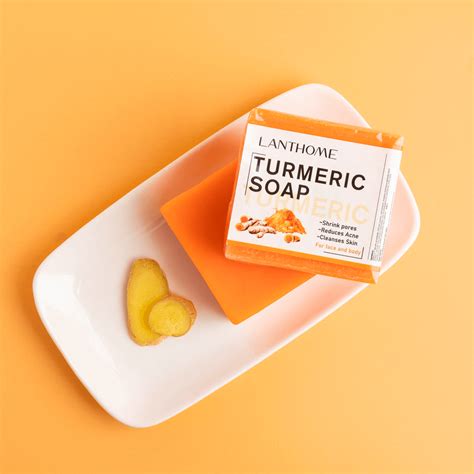
Individuals with sensitive skin should introduce turmeric soap gradually. Using a soap with too high a concentration of turmeric can lead to irritation. A visual cue for a potentially higher concentration is a soap with a ruddy, red, almost clay-like color.
Additionally, curcumin, the active ingredient in turmeric, possesses photosensitizing properties. This means that using products containing it can increase your skin's susceptibility to UV rays. Therefore, it is strongly recommended to wear a broad-spectrum sunscreen that protects against both UVA and UVB rays after using turmeric soap to mitigate sun sensitivity.