Microdermabrasion is a popular and effective cosmetic procedure designed to rejuvenate the skin, enhance its texture, and improve its overall appearance. This non-invasive treatment utilizes gentle exfoliation to meticulously remove the outermost layer of dead skin cells, thereby revealing a fresh, radiant complexion underneath.
What is Microdermabrasion?
Microdermabrasion is a mechanical exfoliation technique that employs a specialized handheld device. This device typically features either fine crystals or a diamond-tipped wand to gently abrade and remove the superficial layer of the skin. The procedure is considered a less aggressive alternative to traditional dermabrasion and chemical peels, offering a way to achieve smoother skin with minimal discomfort and downtime.
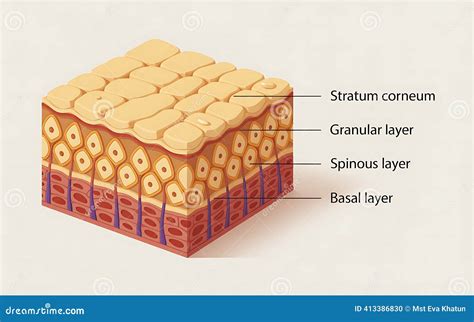
The process involves propelling abrasive crystals against the skin using a controlled handheld vacuum system, or utilizing a diamond-tipped wand for a similar exfoliating effect. The abrasive action gently removes the stratum corneum, the outermost layer of the epidermis, which is composed of dead skin cells. This process is often likened to a very controlled and precise form of skin sanding.
How Microdermabrasion Works
The microdermabrasion device works by creating a uniform pressure as its tip is traced along the skin's surface. Using negative pressure, the device draws the skin into the handpiece, allowing the abrasive element (crystals or diamond tip) to remove the topmost layer of skin cells. These exfoliated dead skin cells are then vacuumed into a reservoir within the device. This mechanical exfoliation effectively sloughs away dead surface skin cells, leading to a smoother and softer appearance.
This controlled removal of the stratum corneum triggers the skin's natural wound-healing process. As new epidermis forms, it results in enhanced cosmesis. The procedure also affects deeper layers of the epidermis and dermis, stimulating cell turnover and regeneration.
The Microdermabrasion Procedure
Before undergoing a microdermabrasion session, it is important to schedule a consultation with a skincare professional. During this initial visit, the specialist will assess your skin type, discuss your concerns, and evaluate your suitability for the treatment. They will also provide instructions on how to prepare for the procedure.
Preparation for a microdermabrasion session is relatively straightforward. The specialist will typically instruct you to discontinue the use of any abrasive skincare products or treatments, such as retinoids or chemical exfoliants, for a few days prior to the procedure. It is also advisable to avoid smoking and alcohol consumption, as these can affect skin healing. Refraining from all forms of tanning, including natural sun exposure, tanning beds, and spray tans, for 2-4 weeks before the treatment is also recommended. Staying hydrated is also important.
During the procedure, you will be comfortably seated. The specialist will use the handheld device with its suction mechanism and gentle abrasive surface to exfoliate your skin. A single treatment usually involves three passes over the treated area. The entire procedure typically takes between 30 to 60 minutes.
After the microdermabrasion session, your skin may appear slightly pink or feel tight and sensitive. This is a normal reaction and typically resolves within a few hours. The specialist may apply a soothing moisturizer or recommend specific skincare products to aid in the healing process.
Benefits of Microdermabrasion
Microdermabrasion offers a wide range of benefits for achieving smoother, healthier-looking skin:
1. Improved Skin Texture and Tone
One of the primary benefits of microdermabrasion is the significant improvement in skin texture and tone. By removing the outer layer of dead skin cells, the treatment reveals smoother, softer skin underneath, contributing to a more even complexion.
2. Stimulation of Collagen Production
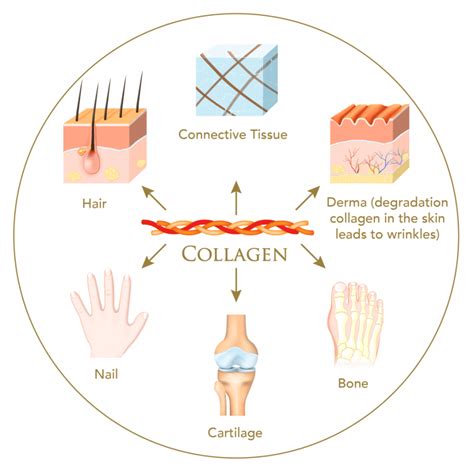
Microdermabrasion stimulates collagen production, a vital protein responsible for the skin's elasticity and firmness. The gentle exfoliation triggers the skin’s natural healing response, encouraging the production of new collagen fibers. This can help to thicken the skin and reduce the appearance of fine lines and wrinkles.
3. Enhanced Skincare Product Absorption
Exfoliating the outer layer of dead skin cells through microdermabrasion enhances the skin’s ability to absorb skincare products. With the removal of the barrier created by dead skin cells, serums, moisturizers, and other topical treatments can penetrate deeper into the skin, maximizing their effectiveness.
4. Minimizing Pores and Reducing Acne Breakouts
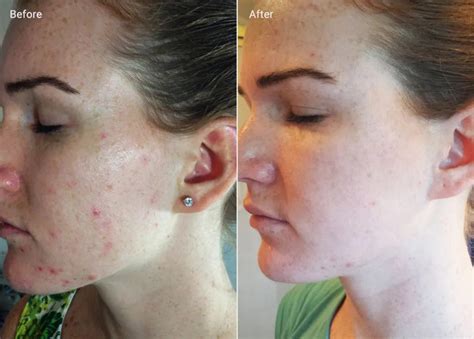
Microdermabrasion can help minimize the appearance of enlarged pores and reduce acne breakouts. By removing the outer layer of dead skin cells and unclogging pores, it prevents the buildup of sebum, dirt, and bacteria that can contribute to acne formation. Decreased sebum levels are often noted immediately after the procedure.
5. Improved Circulation and Lymphatic Drainage
The exfoliation process of microdermabrasion stimulates blood circulation and lymphatic drainage in the skin. This improved circulation brings fresh oxygen and nutrients to the skin cells while facilitating the removal of toxins and waste products, contributing to a healthier and more vibrant complexion.
6. Safe for Most Skin Types and Colors
Microdermabrasion is a versatile treatment that is generally safe for most skin types and colors. Unlike certain treatments that may carry a higher risk of adverse effects for individuals with darker skin tones, microdermabrasion is considered a safe option. It is effective for treating coarse skin, uneven skin tone, sun damage, and acne scars.
7. Reduction of Fine Lines and Wrinkles
By removing the outer layer of dead skin cells and stimulating collagen production, microdermabrasion can help reduce the appearance of fine lines and wrinkles, contributing to a more youthful look.
8. Treatment of Various Skin Concerns
Microdermabrasion is effective in treating a range of skin concerns, including:
- Uneven skin tone and texture
- Photoaging (sun damage)
- Striae (stretch marks)
- Melasma
- Scars, including acne scars
- Seborrheic skin
- Enlarged pores
- Fine wrinkles
- Dull complexion
- Age spots
- Hyperpigmentation
Microdermabrasion vs. Chemical Peels
Both chemical peels and microdermabrasion are effective exfoliation treatments that offer similar benefits. However, they differ in their approach and depth of treatment. Microdermabrasion primarily treats the outer layers of the skin (epidermis), while a chemical peel can penetrate deeper into the second layer (dermis). Chemical peels may provide more significant facial rejuvenation for certain concerns.
Equipment Used in Microdermabrasion
Microdermabrasion devices are typically categorized as either crystal or crystal-free systems. Crystal-based systems propel abrasive crystals, most commonly aluminum oxide, at the skin. Crystal-free systems utilize diamonds embedded in the handpiece to provide the abrasive stimulus. The necessary equipment includes a microdermabrasion handpiece, disposable or autoclave-safe tips, abrasion crystals (for crystal-based systems), filters, a gentle skin cleanser, and protective gear.
Contraindications for Microdermabrasion
While generally safe, microdermabrasion is contraindicated in certain situations:
- Areas of active cutaneous infection (e.g., herpes simplex virus, impetigo).
- Individuals with known allergies to the abrasive crystals (e.g., aluminum allergy).
- A cautious approach is advised for individuals with a history of hypertrophic scarring (keloids).
- Rosacea and telangiectasias are considered relative contraindications.
Frequency and Combination Treatments
The optimal frequency of microdermabrasion treatments varies depending on individual skin conditions, goals, and the recommendation of a skincare professional. Typically, a series of treatments spaced about 2-4 weeks apart is recommended to achieve optimal results. Some patients may require 4-6 weekly treatments initially.
Microdermabrasion can also be effectively combined with other skincare treatments, such as chemical peels, facials, or LED light therapy, to further enhance results and address specific concerns like acne, hyperpigmentation, or signs of aging.
Microdermabrasion Facial - beauty tutor full demo , benefits and before and after pictures (2021)
Post-Treatment Care
Following a microdermabrasion session, it is crucial to provide proper post-treatment care to protect the newly refreshed skin. Patients will be advised to use sunscreen diligently, as the revealed skin is more susceptible to sun damage. Regular moisturization is also essential to keep the skin hydrated and support the healing process. It is also recommended to avoid strenuous physical activities or harsh conditions, such as saunas, for 24 hours following the treatment, as the skin needs time to heal.
Choosing a Provider
Selecting the right provider for microdermabrasion is as important as the procedure itself. It is essential to consult with qualified professionals, such as dermatologists or certified aestheticians, who can evaluate your unique skin needs and aesthetic goals. They will tailor the treatment plan to ensure the best possible outcome and provide personalized post-treatment care instructions.
tags: #microdermabrasion #face #exfoliator