Pesky pimples can be a source of frustration, but a revolutionary skincare solution is readily available. Our collection of the best pimple patches is designed to target unwelcome blemishes and help you achieve a clearer complexion swiftly.
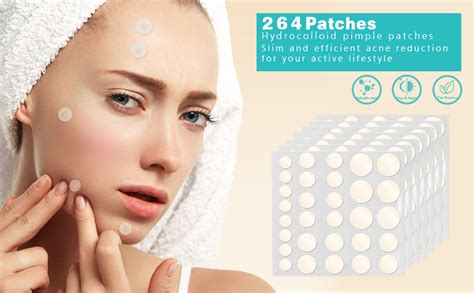
These innovative skincare solutions are a must-have addition to your routine, whether you're managing occasional breakouts or persistent acne. They offer a way to say goodbye to redness, inflammation, and the urge to squeeze, thanks to our carefully curated selection of highly effective pimple patches.
Understanding Pimple Patches
Pimple patches, also known as hydrocolloid patches, are small, adhesive stickers designed to be placed directly onto a blemish. They work by creating a moist environment that helps to absorb excess fluid, pus, and oil from the pimple. This process not only speeds up the healing of the spot but also protects it from external contaminants and prevents picking, which can lead to scarring and further inflammation.
How Pimple Patches Work
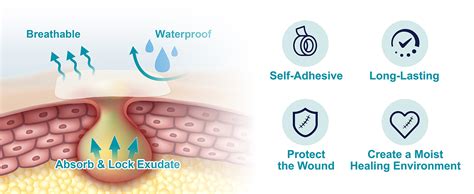
The primary mechanism behind pimple patches is the use of hydrocolloid material. When applied to a clean, dry pimple, the hydrocolloid forms a gel upon contact with moisture. This gel:
- Absorbs exudate: It draws out fluid, pus, and oil from the pimple, effectively cleaning the wound.
- Protects the blemish: It acts as a physical barrier against dirt, bacteria, and prevents you from touching or picking at the spot.
- Promotes healing: By maintaining a moist environment, it supports the skin's natural healing process and can reduce inflammation.
- Discreet application: Many patches are transparent or flesh-toned, making them nearly invisible for daytime wear.
Types of Pimple Patches
The market offers a variety of pimple patches, each with unique features to cater to different needs:
1. Standard Hydrocolloid Patches
These are the most common type, focusing solely on absorbing fluid and protecting the pimple. They are ideal for pimples that have come to a head.
2. Patches with Active Ingredients
Some patches are infused with additional skincare ingredients to enhance their effectiveness. These can include:
- Salicylic Acid: Helps to unclog pores and reduce inflammation.
- Tea Tree Oil: Known for its antibacterial and anti-inflammatory properties.
- Niacinamide: Can help reduce redness and improve skin barrier function.
- Centella Asiatica (Cica): Soothes irritated skin and promotes healing.
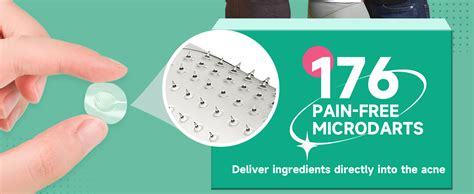
3. Microdart Patches
These innovative patches feature tiny, dissolvable darts that penetrate the skin to deliver active ingredients deeper into the blemish. They are particularly effective for deeper, cystic pimples that haven't surfaced yet.
4. Colored or Patented Patches
Often designed for cosmetic appeal, these patches come in various colors, shapes, or patterns. While they offer the same basic benefits, they can make treating pimples feel more fun and less stigmatizing.
How to Use Pimple Patches Effectively
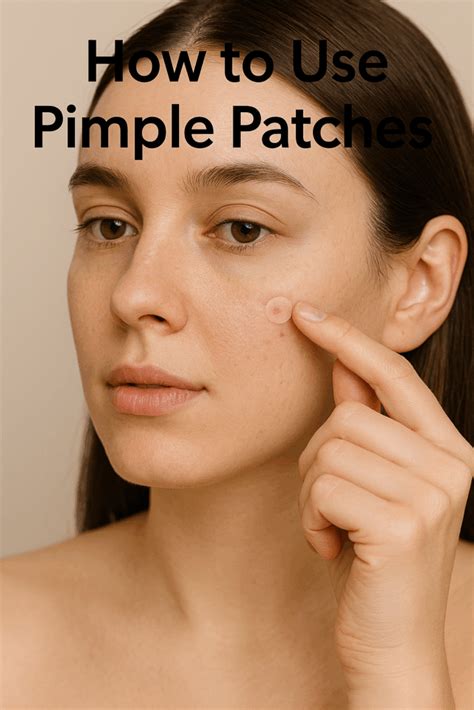
To get the most out of your pimple patches, follow these simple steps:
- Cleanse your face: Start with a clean, makeup-free face. Gently wash your skin to remove any dirt, oil, or residue.
- Dry the affected area: Ensure the pimple and the surrounding skin are completely dry. Applying patches to wet skin will prevent them from adhering properly.
- Apply the patch: Carefully peel a patch from its backing and apply it directly onto the pimple. Press gently to ensure a good seal.
- Leave it on: Follow the product's instructions regarding how long to leave the patch on. Typically, they are left for several hours or overnight. You'll notice the patch turn white or opaque as it absorbs fluid.
- Remove the patch: Gently peel off the patch. If it's a standard hydrocolloid patch, you may see absorbed fluid. If it's a patch with active ingredients, the area might feel slightly tingly.
- Follow up: You can apply your usual serum or moisturizer (avoiding the treated spot if it's sensitive) and apply a new patch if needed.
Benefits of Using Pimple Patches
Incorporating pimple patches into your skincare arsenal offers several advantages:
- Faster Healing: They create an optimal environment for the pimple to heal quicker.
- Reduced Inflammation: The protective barrier and absorbent properties help calm redness and swelling.
- Prevention of Picking: They serve as a physical deterrent against touching and picking, which prevents scarring and infection.
- Protection from External Factors: They shield the blemish from dirt, pollution, and makeup, reducing the risk of further irritation or breakouts.
- Discreet Treatment: Many patches are subtle enough for daytime use, allowing you to treat pimples on the go.
- Absorption of Impurities: They effectively draw out pus and oil, cleaning the pore.
Say goodbye to the frustration of blemishes and embrace the convenience and effectiveness of pimple patches for a smoother, clearer complexion.