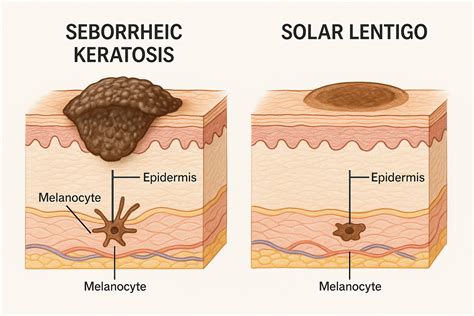
Seborrheic keratosis removal is a common dermatological procedure designed to treat non-cancerous, raised, or waxy growths that frequently appear on the face, neck, chest, or back. These spots can be rough, irritated, and catch on clothing or jewelry, prompting individuals to seek safe and effective removal.
The decision to remove seborrheic keratoses is often driven by cosmetic concerns, as these growths can be unappealing, appearing dark, rough, or wart-like, impacting the overall appearance and potentially leading to a less youthful look. Furthermore, some seborrheic keratoses can cause discomfort, such as itching, sensitivity, or irritation, particularly when located in areas prone to friction like the scalp, back, underarms, or neck. Removal eliminates this discomfort and prevents further irritation.
While seborrheic keratosis is benign, these lesions can increase in size or multiply over time. Early removal ensures better cosmetic results and prevents the development of larger, more noticeable growths. Additionally, some seborrheic keratoses may resemble skin cancer or other dermatological conditions. Professional evaluation and removal provide peace of mind and ensure an accurate diagnosis.
Many individuals feel self-conscious about seborrheic keratosis growths, especially when they are visible on the face, neck, or hands. Effective removal can significantly improve confidence and skin aesthetics, helping patients feel more comfortable with their appearance.
Seborrheic Keratosis Removal Methods
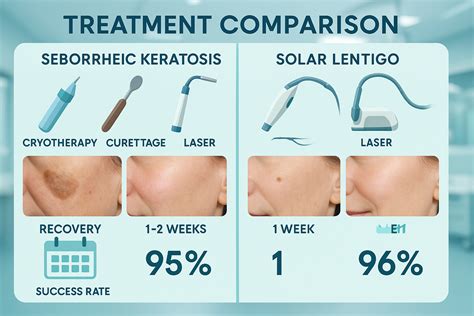
Several advanced treatment options are available for the removal of seborrheic keratoses, with each method carefully selected based on the size, location, and texture of the growth to ensure optimal cosmetic results with minimal downtime. Dr. Cameron Rokhsar, a double board-certified dermatologist, evaluates each case personally to determine the best approach for a patient's specific skin type and tone.
Cryotherapy
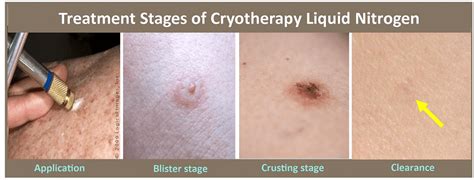
This is a quick and effective procedure that freezes and removes the growth using liquid nitrogen. The liquid nitrogen is applied to the lesion, causing it to freeze and eventually fall off naturally. Cryotherapy spots typically fall off on their own within a few days.
Laser Treatment
A non-invasive laser procedure precisely targets and removes seborrheic keratosis growths, leaving behind smoother skin. Dr. Rokhsar utilizes advanced technologies such as Q-switched alexandrite and picosecond lasers for this purpose. The precision laser removes the lesion with minimal damage to surrounding skin.
Curettage and Electrosurgery
Curettage is a minimally invasive technique where the lesion is carefully scraped off with a specialized surgical tool. Electrosurgery uses heat energy to destroy seborrheic keratosis tissue, often followed by light scraping for removal. These methods are performed under local anesthesia for patient comfort.
Eskata®
Eskata is a topical cosmetic liquid specifically created for the removal of seborrheic keratosis. This treatment involves applying the product directly to the affected area four times, approximately one minute apart. Due to its concentration of hydrogen peroxide, it must be administered in-office by a trained professional. Many patients experience full results within two office visits.
The Removal Procedure and Downtime
Most seborrheic keratosis removal treatments are performed in-office and take just minutes to complete. Local anesthetic is used when needed to ensure a comfortable experience. Dr. Rokhsar's expertise ensures that these procedures are performed with academic precision and cosmetic artistry.
Downtime after seborrheic keratosis removal is minimal. Most patients can resume their daily routines immediately after the procedure. Mild redness or crusting may occur at the treated site as it heals naturally over several days. Temporary lightening or mild scabbing can also occur, especially after cryotherapy or electrosurgery, but these changes gradually fade, revealing refreshed, uniform skin.
After the procedure, the treated area may crust or scab briefly before healing over several days. Cryotherapy spots fall off naturally, while curettage and laser-treated areas often reveal smoother skin almost immediately. Proper aftercare and sun protection are crucial to support even healing and optimal results.
Expertise and Technology
Dr. Cameron Rokhsar stands out for his extensive experience and the advanced technologies he employs. Unlike many offices that offer limited removal methods, Dr. Rokhsar uses cutting-edge lasers such as Q-switched alexandrite and picosecond lasers, in addition to traditional cryotherapy and curettage. This comprehensive range of technologies allows for a tailored treatment plan for every patient, skin type, and lesion pattern.
He has successfully treated thousands of seborrheic keratoses, achieving minimal scarring and consistently delivering cleaner, smoother outcomes compared to standard general dermatology clinics. Patients travel from around the world to benefit from his expertise. As one of the developers of the Fraxel laser and a national trainer for leading aesthetic companies, Dr. Rokhsar's approach is informed by decades of clinical innovation and patient trust.
LightForce Laser Therapy - Deep Tissue Medical Animation
Consultation and Aftercare
During a consultation at Park Plaza Dermatology, specialists will discuss your concerns, evaluate your skin, and recommend the most suitable treatment plan. Before undergoing seborrheic keratosis treatment, patients are advised to inform their doctor about any medications they are taking and any history of skin conditions.
Results from seborrheic keratosis removal are long-lasting, and once a lesion is removed, it does not return. However, new growths may appear over time, especially with age or genetic predisposition. Regular skin evaluations are recommended to manage future lesions before they become bothersome.
Cost Considerations
The cost of seborrheic keratosis removal can vary depending on the method used, the number and size of the lesions, and the geographical location. For instance, Eskata, a topical treatment, has a reported cost of $200-$250 per applicator, with one applicator sufficient for treating multiple spots. Many patients see full results in two office visits.
Other treatment options, such as light scraping, curettage, electrodesiccation, and liquid nitrogen treatments, are often performed by dermatologic teams and can provide very good cosmetic results at a more reasonable cost. At Jupiter Dermatology, these treatments are carefully performed and can yield excellent cosmetic outcomes.
For established patients at some practices, a full body skin exam might cost around $125, with additional charges for biopsies and liquid nitrogen treatments. Focused follow-up appointments are typically around $100. It is important to discuss the estimated costs with your provider during the consultation phase.
tags: #seborrheic #keratosis #removal #cost