Caring for your skin effectively begins with a daily routine tailored to its unique needs. To help you achieve your skincare goals, understanding the role of gentle cleansers and non-comedogenic moisturizers is essential. These products, when used consistently, form the foundation of a healthy-looking complexion and are often recommended by dermatologists as part of treatment plans for various skin conditions, including eczema, psoriasis, and acne.
A consistent skincare routine offers numerous benefits, from enhancing your skin's appearance to supporting its long-term quality. By using products formulated with essential ceramides, like those developed by CeraVe, you can help maintain your skin's protective barrier, which is crucial for retaining moisture and preventing the entry of harmful irritants. When personalized for your specific skin type and concerns, a skincare routine can address issues such as dryness, minimize the appearance of fine lines, and help prevent acne breakouts, all while providing a sense of pampering and self-care.
It's easy to feel overwhelmed when starting a skincare routine, given the vast amount of information available. However, building an effective regimen doesn't have to be complicated. Identifying your skin type and goals is the first step. Based on this, you can select products that target specific concerns. For instance, individuals with acne-prone skin might incorporate a salicylic acid acne treatment.
Key Components of a Skincare Routine
Every well-rounded skincare routine should include a few key products. The initial steps typically involve a non-drying, fragrance-free facial cleanser, followed by a non-comedogenic face moisturizer. Cleansers remove impurities, while moisturizers hydrate the skin and seal in moisture to prevent dryness and flakiness.
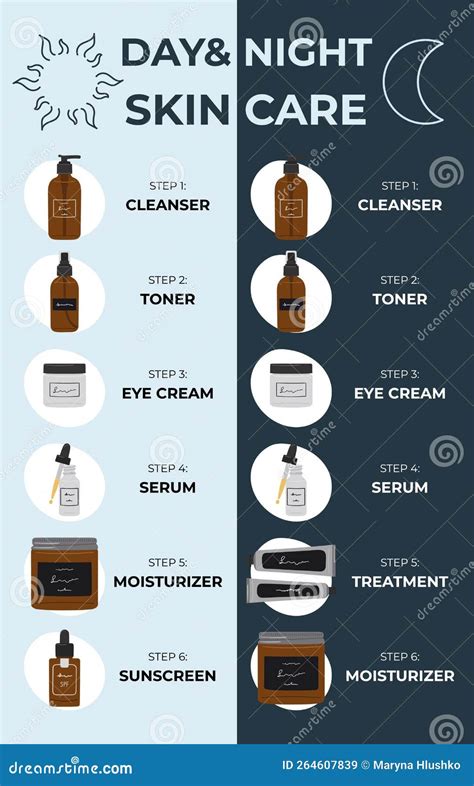
Beyond these essentials, dermatologists may recommend additional skincare products or topical treatments as part of a personalized plan. It's important to remember that results from a skincare routine take time and consistency. Overdoing it with too many products or harsh formulas can lead to stinging, burning, redness, or irritation, in which case consulting a dermatologist is advised.
Morning Skincare Routine: Prevention and Protection
Morning skincare routines focus on prevention and protection, preparing your face for exposure to the environment. The essential steps include cleansing, moisturizing, and sun protection.
Step 1: Oil-Based Cleanser
Oil-based cleansers are designed to dissolve oils produced by your skin and can be effective in removing waterproof makeup and sunblock. They work best when massaged onto the skin and then rinsed thoroughly. This step may be skipped if your cleanser is solely oil or if you have combination or oily skin, as cleansing oils can potentially increase oiliness. It is advisable to perform a patch test before regular use, especially if you are prone to cystic acne.
Step 2: Water-Based Cleanser
Water-based cleansers primarily contain surfactants that help rinse away dirt and sweat. They can also remove any residual oils left by an oil-based cleanser. This step is beneficial for those who double cleanse or if the initial oil-based cleanser does not sufficiently remove all impurities. Opting for a cleanser with a neutral pH is recommended for minimizing irritation. Mild water-based cleansers can help prevent breakouts in individuals with acne-prone or oily skin, though harsher surfactants may dry out the skin and damage its natural barrier.
Step 3: Toner or Astringent
Toners replenish the skin with hydration and remove any remaining dead cells or dirt. Astringents, which are alcohol-based, help remove excess oil. Toners are applied directly after cleansing, either by patting onto the skin or swiping with a cotton pad. Astringents should be avoided by those with dry skin, and it's best to steer clear of toners high in alcohol to prevent irritation. Toners and astringents can help reduce the appearance of pores and remove impurities, but overuse of alcohol-based products can lead to irritation.
Step 4: Antioxidant Serum
Serums are concentrated treatments that offer targeted benefits. An antioxidant serum protects the skin from damage caused by free radicals. Common antioxidants include Vitamins C and E, green tea, and resveratrol, which can improve skin texture and firmness. Serums are applied by patting a few drops onto the face and neck. It's important to patch test new serums to ensure compatibility with your skin and other products. Antioxidant serums can help reduce redness, wrinkles, and skin damage, but some, like those containing acids, may cause irritation when combined with other acid-based products.
Step 5: Spot Treatment
Spot treatments are used to address blemishes. For blemishes with a head, anti-inflammatory products can be used first, followed by a spot-drying treatment. For cystic acne, products that target internal infection are necessary. Apply a small amount of treatment to the affected area using a damp cotton swab. Avoid using spot treatments on open blemishes, as this can cause skin reactions, especially with stronger ingredients. Always introduce new products slowly and monitor your skin.
Step 6: Eye Cream
The skin around the eyes is thinner and more sensitive, making it prone to signs of aging. Eye creams can help brighten, smooth, and firm this area, though they may not completely eliminate issues. Apply a small amount of eye cream around the eye area using your ring finger. This step can be skipped if your regular moisturizer and serum are suitable for the eye area and are fragrance-free. Ensure proper cleansing to avoid product buildup, which can clog pores in this delicate area.
Step 7: Lighter Face Oil
Lightweight face oils are easily absorbed and should be applied before moisturizer, especially if your skin shows signs of dryness or dehydration. Apply a few drops by warming them between your fingertips and gently dabbing onto your face. Allow the oil to sink in fully before applying sunscreen, as some oils can dissolve sunscreen formulas. Face oils help lock in hydration, but they may cause breakouts in individuals with oily skin.
Step 8: Moisturizer
Moisturizers soothe and soften the skin. Opt for creams or balms for dry skin, thicker creams for normal or combination skin, and fluids or gels for oilier types. Ingredients like glycerin, ceramides, antioxidants, and peptides are beneficial. Apply a slightly larger-than-pea-size amount to the face using upward strokes. Regular moisturizing helps prevent blemishes and protects the skin barrier. Using a moisturizer that is too heavy without proper cleansing may lead to milia, which are small white bumps.
Step 9: Heavier Face Oil
Thicker face oils that take longer to absorb are best suited for dry skin types and are applied after moisturizer to seal in hydration. Follow the same application process as lighter oils. This step may be skipped if heavier oils clog your pores. It is crucial to cleanse your face thoroughly at the end of the day, as heavier oils can contribute to pore clogging. These oils moisturize and seal in hydration but may contribute to breakouts in acne-prone skin.
Step 10: Sunscreen
Sunscreen is a critical final step in the morning routine, protecting against damaging UV light and reducing the risk of skin cancer and premature aging. The American Academy of Dermatology recommends broad-spectrum sunscreens with an SPF of 30 or higher. Apply sunscreen liberally 15 to 30 minutes before sun exposure. Reapply every two hours when spending time outdoors. Some sunscreens may cause skin reactions, so testing in a small area is advised. Additionally, consider reef-safe formulas if swimming in ocean water.
Study shows moisturizers with SPF not as effective as sunscreen
Step 11: Foundation or Other Base Makeup
For those who wear makeup, a base layer like foundation, tinted moisturizer, or BB cream can provide a smooth, even complexion. Apply with a brush or sponge, blending from the center of the face outward. Ensure makeup is checked for expiration dates, as many foundations last 6 to 12 months. While foundations offer coverage, covering the skin with makeup can cause breakouts in some individuals.
Evening Skincare Routine: Repair and Renewal
The evening skincare routine focuses on repairing damage from the day and using products that may increase sun sensitivity. This is also the time to use exfoliants and chemical peels.
Step 1: Oil-Based Makeup Remover
An oil-based makeup remover effectively dissolves makeup and skin oils. Follow product instructions for application, typically massaging onto the skin and rinsing with water. This step can be skipped if you do not wear makeup, have very oily skin, or prefer water-based products. Ensure all residue is removed, as excess oil can clog pores.
Step 2: Water-Based Cleanser
Water-based cleansers react with makeup and dirt, allowing them to be rinsed away. Choose a gentle formula with a neutral pH to maintain the skin's natural barrier. Avoid scrubbing too hard, as this can cause irritation. Double cleansing can help remove any remaining residue, but some formulas may be drying, so switching products if dryness or irritation occurs is recommended.
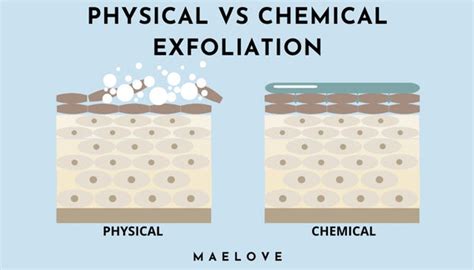
Step 3: Exfoliator or Clay Mask
Exfoliation removes dead skin cells and clears pores, while clay masks absorb excess oil and impurities. These are best applied at night to help the skin absorb other products. Follow product instructions for application. Use clay masks once or twice a week. Avoid overuse of exfoliants, especially on sensitive skin, and discontinue use if irritation occurs. Exfoliators can increase sun sensitivity, so daytime sunscreen use is crucial.
Step 4: Hydrating Mist or Toner
A hydrating mist or toner can be used at the end of the nighttime cleansing routine to boost moisture. Look for humectant ingredients like hyaluronic acid and glycerin. Spritz mists over the face or apply toners with a cotton pad. Avoid toners with high alcohol content, as they can cause irritation. Toners can help remove residue and balance the skin's pH.
Step 5: Acid Treatment
Facial acid treatments, such as glycolic acid, salicylic acid, or hyaluronic acid, can encourage cell turnover and improve complexion. Start using them once a week and gradually increase frequency. Always perform a patch test at least 24 hours before first use. Acids can make skin more sensitive to the sun, so daily sunscreen application is essential.
Step 6: Serums and Essences
Serums deliver potent ingredients directly to the skin. An essence is a more watered-down version. Vitamin E is beneficial for dry skin, while antioxidants like green tea extract can help dull complexions. For breakout-prone skin, consider retinol or vitamin C. Apply serums and essences after patch testing by pressing them into the skin. You can layer multiple products, applying water-based ones before oil-based ones.
The Importance of Order in Skincare Routines
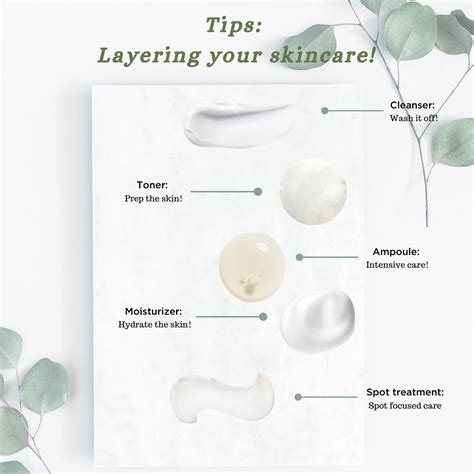
The order in which skincare products are applied significantly impacts the absorption of active ingredients. Applying products from lightest to heaviest ensures that thinner formulations can penetrate the skin effectively before thicker ones create a barrier.
Dr. Sean McGregor, DO, emphasizes that applying products out of order, mixing incompatible products, or using too many can lead to side effects and skin irritation. He advises keeping routines simple, using gentle products with fewer ingredients, and testing new products before full application.
General Order of Application
The fundamental rule for layering skincare products is to apply them from the thinnest consistency to the thickest.
Morning Routine:
- Cleanser: Removes dirt, dead skin, and grime. Use a gentle, nickel-sized amount mixed with water and wash with your hands to avoid abrasion.
- Serum: Apply one serum at a time, such as a Vitamin C serum, which can enhance sunscreen efficacy and help reduce hyperpigmentation.
- Moisturizer: Locks in moisture and prevents water loss, essential for preventing dryness and irritation.
- Sunscreen: The final and crucial step for protection against sun damage and skin cancer. Broad-spectrum SPF 15 or higher is recommended.
Evening Routine:
- Makeup Remover (if applicable): An oil-based remover can dissolve makeup and skin oils.
- Cleanser: Removes remaining dirt and impurities. Double cleansing may be beneficial.
- Exfoliant or Chemical Treatment: Used a few times a week to remove dead skin cells and improve skin tone. Chemical exfoliants like glycolic acid are often preferred over harsh physical scrubs.
- Retinols and Retinoids: These Vitamin A derivatives are best used at night as they can deactivate in sunlight and help with cell turnover, oil production, fine lines, wrinkles, acne, and dark spots. Use a pea-sized amount.
- Moisturizer: Essential for rehydrating the skin after treatment steps.
Optional Skincare Products
- Toners: While often thought to shrink pores, retinols are generally more effective. Toners can cause irritation or dryness in sensitive individuals.
- Spot Treatments: Products containing salicylic acid or benzoyl peroxide can be applied as needed. Increased sun sensitivity may occur, necessitating sunscreen use.
- Eye Creams: If used, apply between serum and moisturizer. However, many dermatologists recommend moisturizers for the eye area to avoid potential irritation.
- Face Oils: Generally recommended only for dry skin due to their occlusive nature, which can lead to acne. Apply right before moisturizer if used.
Ultimately, minimizing the number of products used and ensuring efficiency is key to a successful skincare routine. Consulting with a dermatologist is recommended if you experience persistent skin issues or are unsure about product selection.
tags: #face #moisturizer #and #cleanser