Supplements containing collagen peptides, also known as hydrolyzed collagen, have been shown to provide numerous benefits for skin, joints, and overall health. Collagen is the main structural protein in your body, particularly in the skin, and is responsible for its strength and elasticity. It's found in your bones, muscles, and blood, making up three-quarters of your skin and one-third of the protein in your body. Your body makes it naturally by combining amino acids, the building blocks of proteins found in food.

Collagen's Role in the Body
Collagen provides your body with strength, structure, and support. As you age, it becomes harder for your body to maintain natural collagen levels, especially after menopause. This is because over time, your body increasingly struggles to absorb enough of the nutrients it needs to make collagen. However, eating collagen-rich foods can help your body overcome some of these absorption problems, keeping it stronger and healthier as you get older.
Collagen is also an important component of:
- Bone, providing both strength and structure.
- Cardiac tissue, which makes up the walls of the heart and blood vessels.
- The gut lining, acting as a barrier to protect the gut from harmful substances and maintain gut integrity.
The exact percentage of collagen in connective tissue varies depending on factors such as age, tissue type, and health status. For example, tendons and ligaments, which are specialized connective tissues that attach muscles to bones and provide stability to joints, contain a much higher percentage of collagen compared to skeletal muscle. Approximately 10% of muscle mass within the human body is made up of collagen. In skeletal muscle, which is responsible for movement, the percentage of collagen is relatively low, typically ranging from 1% to 10% of the total protein content.
Types of Collagen
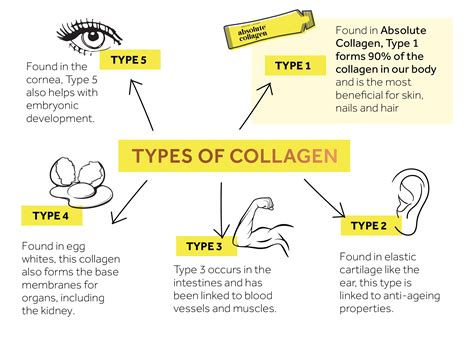
Your body contains many types of collagen. Scientists have identified a total of 29 varieties, including these five main types:
- Type I: Gives strength to your skin, bones, ligaments, and tendons.
- Type II: Makes up the flexible cartilage that helps support your joints.
- Type III: Found in internal organs, blood vessels, and muscles.
- Type IV: Found in some layers of your skin.
- Type V: Present in your corneas, some layers of skin, and hair.
Most collagen supplements contain types I, II, and III, which account for most of the collagen found in your body. They contain a digestible form of collagen called collagen peptides or hydrolyzed collagen. These supplements are made from the tissues of cows, pigs, chickens, or fish. Vegan collagen powder made from bacteria and yeast is also available, though scientists are still investigating whether it offers the same benefits as collagen from animal sources.
How Collagen Supplements Work
Collagen can't be absorbed in its whole form, so it has to be broken down into smaller amino acids or peptides. Collagen peptides are tiny pieces of animal collagen. When you buy collagen, it will typically be sold as collagen peptides or hydrolyzed collagen. Collagen peptides are absorbed through your gastrointestinal tract.
Collagen powder has the same active ingredients as collagen capsules and gummies, but dosages may vary depending on the form. Some people find it easier to add collagen powder to drinks or foods, while others prefer capsules or gummies, which may contain added sugar. Collagen liquid is also available in premade drinks or packets that can be added to beverages, often with other beneficial ingredients.
Nutritional Profile of Collagen Peptides
Fourteen grams of collagen peptide powder typically contains:
- Calories: 50
- Protein: 12 grams
- Fat: 0 grams
- Carbohydrates: 0 grams
- Fiber: 0 grams
- Sugar: 0 grams
The same amount also contains approximately 29 mg of calcium, 44.9 mg of sodium, and 0.98 mg of potassium.
Collagen supplements can count towards your daily protein needs, as they contain eight of the nine essential amino acids. The missing amino acid, tryptophan, is found in many common foods. Research indicates that most people can obtain a third of their daily protein from collagen and still get all their essential amino acids.
Science-Backed Health Benefits of Collagen
Collagen is essential for maintaining good health due to its critical role in various bodily functions. While scientists continue to research the full scope of benefits of collagen supplements, there is reasonable evidence supporting their effectiveness in certain areas.
1. Skin Health
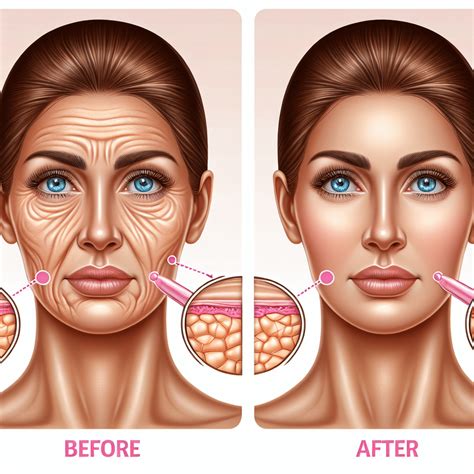
Collagen is a major component of your skin, contributing to its strength, elasticity, and hydration. As you age, collagen production decreases, leading to dry skin and wrinkles. Studies have shown that collagen peptides or supplements can help improve skin hydration and elasticity, potentially reducing wrinkles and dryness. These supplements may work by stimulating your body to produce more collagen and other structural proteins like elastin and fibrillin.
2. Joint Health
As collagen levels decrease with age, the risk of joint disorders like osteoarthritis increases. Some studies suggest that collagen supplements may help improve symptoms of osteoarthritis and reduce joint pain. Researchers theorize that supplemental collagen may accumulate in cartilage, stimulating tissues to produce more collagen, leading to reduced inflammation, better joint support, and decreased pain. However, more evidence is needed to formally recommend collagen as a treatment for osteoarthritis.
3. Bone Health
Collagen is a primary component of bones. With age, collagen deteriorates, leading to decreased bone mass and conditions like osteoporosis. Research suggests that collagen supplements may help inhibit bone breakdown. Studies on postmenopausal women have shown that those taking collagen supplements alongside calcium and vitamin D had lower levels of proteins that promote bone breakdown and less loss of bone mineral density compared to those who did not take collagen.
4. Muscle Mass
Collagen is the most abundant protein in the body and an important component of skeletal muscle. One study found that older men with sarcopenia who took collagen peptide supplements during a strength training program gained significantly more muscle mass and strength compared to those who exercised without collagen. However, more research is needed to confirm these findings.
5. Heart Health
Collagen provides structure to arteries, the blood vessels that carry blood from the heart. A lack of collagen can lead to weakened arteries and increased risk of atherosclerosis, which can cause heart attack or stroke. A study on healthy adults showed that daily collagen intake led to a significant reduction in artery stiffness and an increase in HDL (good) cholesterol levels. Further research is needed in this area.
6. Hair and Nail Strength
For hair health, collagen peptides are believed to support the production of keratin, the main protein in hair. Studies suggest they can strengthen the hair shaft, improve thickness and density, and reduce breakage. Similarly, for nail health, collagen peptides may help improve nail strength and prevent brittleness by supporting keratin production in the nails.
7. Gut Health
Collagen is an important component of the gut lining, which acts as a barrier to protect the gut. Studies suggest that collagen peptides may help improve gut health by promoting the production of proteins that maintain gut lining integrity. Additionally, collagen peptides possess anti-inflammatory properties that may help reduce gut inflammation and alleviate symptoms of inflammatory bowel diseases (IBD).
Factors Affecting Collagen Production
Collagen synthesis is influenced by various factors, including:
- Dietary deficiencies in micronutrients.
- Smoking, which damages collagen and elastin.
- Excessive sugar and refined carbohydrate intake, which can lead to advanced glycation end products that damage collagen.
- Exposure to ultraviolet (UV) light, which reduces collagen production and accelerates breakdown.
- Autoimmune diseases, such as rheumatoid arthritis, lupus, and scleroderma.
- Genetic mutations leading to conditions like Ehlers-Danlos syndrome.
- The natural aging process.
To slow the effects of skin aging and support collagen production, it is recommended to wear sunscreen daily, avoid tanning beds, and consume a well-balanced diet rich in fruits, vegetables, whole grains, and lean proteins.
Sources of Collagen and Nutrients for Synthesis
Collagen can be obtained from diet and supplements. Foods rich in collagen include:
- Bone broth: Made by simmering animal bones and connective tissue.
- Fish with skin on: The skin is a rich source of collagen.
- Chicken: Especially chicken feet, which are high in collagen.
- Lean red meat: Tougher cuts with connective tissue.
- Eggs: Contain nutrients that support collagen production.
- Gelatin.
To support the body's natural collagen production, a diet rich in the following nutrients is important:
- Proline: Found in egg whites, dairy, cabbage, mushrooms, and asparagus.
- Glycine: Found in pork and chicken skin, gelatin, and other protein-rich foods.
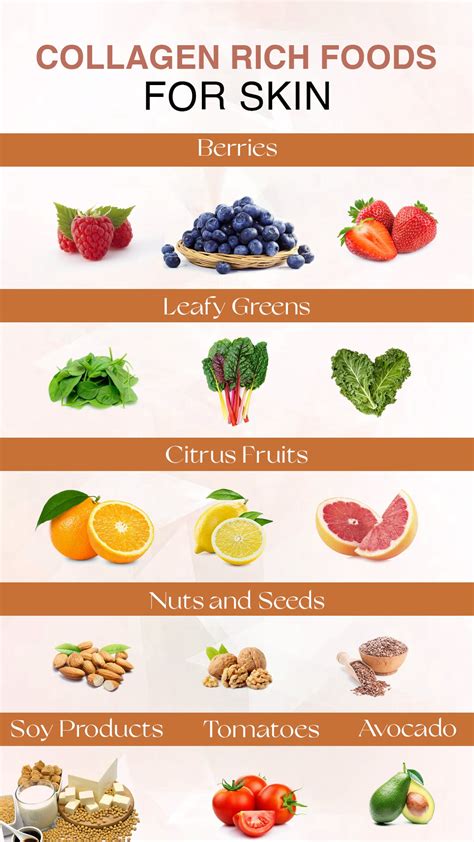
- Vitamin C: Found in citrus fruits, bell peppers, broccoli, and strawberries.
- Zinc: Found in beef, lamb, pork, shellfish, chickpeas, lentils, beans, milk, cheese, and nuts.
- Copper: Found in organ meats, cocoa powder, cashews, sesame seeds, and lentils.
Types of Collagen Supplements and Their Sources
Collagen supplements are typically derived from animal products. Common sources include:
- Bovine collagen: Widely used due to affordability.
- Marine collagen: Gaining popularity as an alternative, sourced from fish, jellyfish, sponges, and other invertebrates. It is metabolically compatible, has no religious constraints, and is free of animal pathogens.
Vegan collagen can be made from genetically modified yeast and bacteria, which contain proteins similar to collagen, but their efficacy is still under investigation.
Collagen peptides, also known as hydrolyzed collagen, are produced by breaking down collagen molecules into smaller fragments (peptides) through chemical or enzymatic hydrolysis. This process increases their water solubility and bioavailability, making them more easily digestible and absorbable.
The suggested dose for native collagen is around 40 mg/day, while hydrolyzed collagen generally ranges between 2 and 10 g/day. It is crucial to choose formulations that improve bioavailability to ensure efficacy with a smaller, more practical intake.
Potential Concerns and Considerations
While collagen supplements are generally well-tolerated, some considerations exist:
- Allergens: Many supplements are made from common allergens like fish, shellfish, and eggs. Individuals with allergies should check ingredient lists carefully.
- Digestive issues: Some people report nausea, bloating, or heartburn, though these are not consistently shown as side effects in research.
- Regulation: The FDA does not regulate collagen powder or other dietary supplements, meaning there's no guarantee of the type or amount of collagen stated on the label. Contamination with pesticides, bacteria, heavy metals, or other toxins is a possibility, especially with supplements derived from animals. It is essential to purchase supplements from reputable sources.
- Kidney stones: Individuals with a history or risk of kidney stones may want to avoid collagen supplements, as hydroxyproline, an amino acid in collagen, can be converted to oxalate in the body, potentially increasing the risk of kidney stones.
- Pregnancy and breastfeeding: There is insufficient research on the safety of collagen supplements during pregnancy and breastfeeding.
It is advisable to consult with a doctor before starting any new supplement regimen.
When to Expect Results
Collagen turnover is a slow process. Most studies assess the effects of collagen on skin health and joint pain relief over a minimum of 8 weeks, while studies on bone health may extend to 12 months.
Choosing a Reputable Product
When selecting a collagen supplement, look for products from reputable manufacturers with a proven track record. The country of origin can also be a factor, with some regions known for high-quality, innovative supplements. For instance, Swiss-made supplements are often recognized for their natural ingredients and advanced formulations. Products like Vita Healthcare's Vita Collagen Complex, which contains hydrolyzed collagen and multivitamins, are highlighted for their quality.