Exfoliation is a crucial step in maintaining healthy, radiant skin, especially for teenagers who often deal with concerns like acne, excess oil, and clogged pores. Cleansing exfoliators work by gently removing dead skin cells, dirt, and excess oil from the skin's surface. This process helps to improve skin texture, unclog pores, and reveal brighter, more refreshed skin. Whether you have dry, oily, or combination skin, there is a cleansing exfoliator designed to meet your specific needs. Incorporating a suitable exfoliating product into your skincare routine can significantly enhance the effectiveness of other skincare products by allowing them to penetrate deeper into the skin.
Understanding Different Types of Exfoliating Ingredients
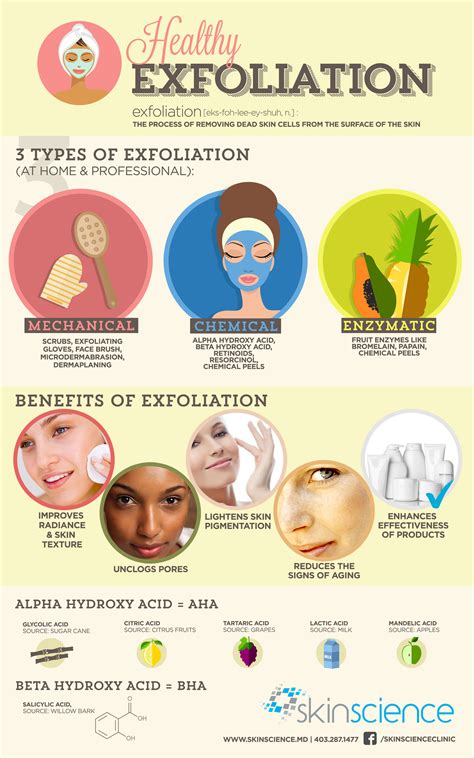
The effectiveness of cleansing exfoliators largely depends on the type of exfoliating ingredients they contain. These ingredients work in different ways to remove dead skin cells and impurities.
Chemical Exfoliants
Chemical exfoliants utilize acids to dissolve the bonds between dead skin cells. Key types include:
- Alpha Hydroxy Acids (AHAs): Glycolic acid is a prime example of an AHA. It works by gently dissolving the bonds between dead skin cells, allowing them to be easily washed away. Glycolic acid is particularly beneficial for sun-damaged and aging skin.
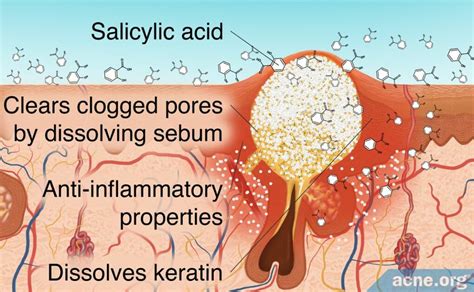
- Beta Hydroxy Acids (BHAs): Salicylic acid is a well-known BHA. It has the ability to penetrate deeper into the pores, making it highly effective for clearing out excess oil and reducing acne. Salicylic acid is best suited for acne-prone and oily skin types.
Physical Exfoliants
Physical exfoliants work by manually removing dead skin cells from the skin's surface. These can include:
- Natural Enzymes: Derived from fruits like papaya, these enzymes offer a gentle exfoliation option, making them suitable for sensitive skin.
- Fine Granules: Ingredients such as rice powder or bamboo can physically scrub away dead skin cells. These are effective for removing surface debris but should be used with caution on sensitive skin to avoid irritation.
Choosing the right type of exfoliating ingredient based on your skin's specific needs is paramount for achieving optimal results. Whether your goal is to brighten your complexion, combat acne, or simply maintain healthy skin, there is an exfoliating ingredient tailored for you.
What to Look For in a Cleansing Exfoliator
When selecting a cleansing exfoliator, several factors should be considered to ensure it is the best fit for your skin.
Skin Type and Concerns
It is essential to choose an exfoliator that is suited to your individual skin type, whether it is oily, dry, sensitive, or combination. Understanding your skin's unique needs will guide you toward the most effective product.
Key Ingredients
Pay close attention to the ingredients list. AHAs like glycolic acid are beneficial for addressing signs of aging and improving overall skin tone. BHAs such as salicylic acid are excellent for managing acne-prone skin by unclogging pores and controlling oil production. For those with sensitive skin, natural ingredients like papaya enzymes or finely milled rice powder can provide gentle yet effective exfoliation.
Formulation Preference
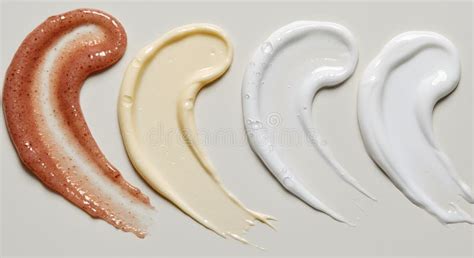
Cleansing exfoliators come in various formulations, including gels, creams, powders, and scrubs. Your preference for texture and application method can also influence your choice. Gel and foam cleansers are typically recommended for combination to oily skin, while cream and lotion cleansers are better suited for normal to dry skin.
The ultimate goal when choosing a cleansing exfoliator is to find a product that effectively removes dead skin cells and impurities without causing irritation or stripping the skin of its essential natural oils.
How to Incorporate Cleansing Exfoliators into Your Skincare Routine
Integrating a cleansing exfoliator into your daily or weekly skincare regimen is straightforward. Follow these steps for optimal results:
- Determine Your Skin Type and Concerns: Before selecting a product, identify whether your skin is oily, dry, sensitive, combination, or acne-prone.
- Choose a Suitable Product: Based on your skin type and concerns, select a cleansing exfoliator with appropriate ingredients and formulation. For instance, a cleanser with salicylic acid is ideal for oily or acne-prone skin, while one with natural enzymes might be better for sensitive skin.
- Frequency of Use: Generally, using a cleansing exfoliator 2-3 times a week is sufficient for most individuals. However, those with oily or acne-prone skin might benefit from more frequent use, while very sensitive skin may require less frequent application. Adjust the frequency based on how your skin responds.
- Application: Apply the cleansing exfoliator to damp skin. Gently massage the product in small circular motions all over your face, being careful to avoid the delicate eye area.
- Rinsing: Rinse your face thoroughly with warm water to remove all traces of the product.
- Moisturize: Always follow up with a hydrating moisturizer to soothe, protect, and replenish your skin's moisture barrier. This step is crucial, even for oily skin types, as it helps to prevent dryness and flakiness, especially if you are using acne treatments.
Regular exfoliation, when done correctly, can lead to a brighter, smoother complexion and enhance the efficacy of subsequent skincare products.
Understanding Teenage Acne and Exfoliation
Acne is a common concern for teenagers, often triggered by hormonal changes during puberty. Androgens, a type of hormone, increase sebum (oil) production in the pores. When pores become clogged with excess oil, dead skin cells, and bacteria, various types of acne can develop, including whiteheads, blackheads, papules, and pustules.
Treating Teenage Acne
While teenage acne may resolve on its own as hormonal fluctuations stabilize, this is not always the case. Over-the-counter treatments can manage mild acne, but more severe forms, such as nodules or cysts, require professional dermatological care. For comedonal acne (whiteheads and blackheads), a cleanser with salicylic acid is recommended. For acne pimples, a foaming face wash containing benzoyl peroxide can be effective, as it targets acne-causing bacteria.
The Role of Exfoliation in Managing Acne
Exfoliation plays a vital role in managing teenage acne by helping to prevent clogged pores. Ingredients like salicylic acid (BHA) are particularly effective because they can penetrate deep into the pores to dissolve oil and dead skin cells. AHAs, such as lactic acid and glycolic acid, also contribute by shedding dead skin cells from the surface. These acids offer a gentler approach than physical scrubbing, which can cause micro-tears and exacerbate inflammation.
When using exfoliators for acne-prone skin, it's important to:
- Avoid Over-Exfoliation: Too much exfoliation can strip the skin's natural barrier, leading to increased irritation and potentially worsening acne.
- Be Gentle: Vigorous scrubbing can cause inflammation and redness. Always use gentle motions and avoid gritty physical scrubs.
- Incorporate Barrier-Supporting Ingredients: Look for exfoliators that also contain ingredients like glycerin, ceramides, and niacinamide to help counteract redness and sensitivity.
For daytime, a non-comedogenic moisturizer with SPF is recommended to protect the skin from sun damage, which can worsen acne and increase the risk of skin cancer. At night, a gentle cleanser followed by a suitable acne treatment and a nighttime moisturizer can help manage breakouts and maintain skin hydration.
Exfoliators for Sensitive Skin
Individuals with sensitive skin need to approach exfoliation with extra care. The key is to choose gentle products and introduce them gradually.
Gentle Exfoliation Options
According to dermatologists, alpha hydroxy acid (AHA)-based cleansers are among the gentlest forms of exfoliation. Because they are washed off, they have less contact time with the skin, reducing the potential for irritation. Leave-on exfoliators, such as serums or creams, can also be used, but it is advisable to opt for formulas that combine gentler acids like lactic acid with polyhydroxy acids (PHAs) like gluconolactone. Lactic acid is known for its hydrating and gentle properties, while PHAs exfoliate more slowly and evenly.
Beneficial Ingredients for Sensitive Skin
When selecting an exfoliator for sensitive skin, look for ingredients that are known for their mildness and skin-soothing properties. Lactic acid and glycolic acid, despite being AHAs, have a small particle size that makes them powerful yet less irritating for some. Lactic acid, in particular, mimics naturally occurring molecules in the skin that help hydrate and maintain the skin barrier. Additionally, incorporating barrier-supporting ingredients such as glycerin, ceramides, and niacinamide can help counteract redness and sensitivity.
What to Avoid
It is crucial to avoid physical exfoliants that have gritty textures, such as those containing sugar or sand. These can create micro-abrasions on the skin's surface, increasing sensitivity and potentially spreading bacteria. Always opt for chemical exfoliants or very fine physical exfoliants designed for sensitive skin.
When introducing any new exfoliating product, pay close attention to your skin's response and gradually increase usage as tolerated.
Frequently Asked Questions About Cleansing Exfoliators
What skin types can use cleansing exfoliators?
All skin types, including dry, oily, sensitive, and combination, can benefit from cleansing exfoliators. However, it is essential to choose a product specifically formulated for your skin type to avoid irritation or adverse reactions.
How often should I use cleansing exfoliators?
The recommended frequency for using cleansing exfoliators is generally 2-3 times a week. This can be adjusted based on your skin type and the strength of the product. Some very gentle formulas may be suitable for daily use, while more potent ones might require less frequent application.
Can cleansing exfoliators help with acne?
Yes, cleansing exfoliators containing ingredients like salicylic acid or other acne-fighting compounds can be very effective in reducing acne. They help by unclogging pores, removing dead skin cells, and controlling excess oil production.
Are there cleansing exfoliators for sensitive skin?
Absolutely. Look for products specifically labeled for sensitive skin. These typically feature gentle, non-irritating ingredients such as natural enzymes or very fine physical exfoliants. AHAs like lactic acid are also often well-tolerated by sensitive skin.
Can cleansing exfoliators reduce the appearance of pores?
Yes, by effectively removing dead skin cells and debris that can accumulate in pores, cleansing exfoliators can help make pores appear smaller and less noticeable.
Should I moisturize after using a cleansing exfoliator?
Yes, it is always recommended to follow up with a moisturizer after exfoliating. This helps to hydrate and protect your skin, replenishing moisture that may have been removed during the exfoliation process.
Is it better to use chemical or physical exfoliators?
The choice between chemical and physical exfoliators depends on your skin type and sensitivity. Chemical exfoliators are often considered gentler and work by dissolving dead skin cells. Physical exfoliators offer a more immediate exfoliating effect by manually removing dead skin cells, but can be more abrasive if not used carefully.
Can I use cleansing exfoliators on dry skin?
Yes, but it is crucial to choose a hydrating formula that exfoliates without stripping essential moisture from your skin. Look for creamy formulations with moisturizing ingredients.
How do I choose the right cleansing exfoliator for oily skin?
For oily skin, opt for cleansing exfoliators that contain salicylic acid or glycolic acid. These ingredients are effective at controlling oil production and preventing pore blockages.
Do cleansing exfoliators help with skin aging?
Yes, exfoliating, particularly with AHAs like glycolic acid, can help improve the appearance of aging skin by promoting cell turnover, revealing smoother, brighter skin, and reducing the appearance of fine lines and wrinkles.
tags: #best #exfoliators #for #teenage #skin