Icy Hot is a popular topical medication designed to alleviate muscle aches and pains. However, improper use or application on sensitive skin can lead to discomfort, including itching and burning sensations. This guide provides detailed information on how to safely remove Icy Hot and manage associated skin irritations, as well as how to treat sunburn, a condition that can be exacerbated by topical medications like Icy Hot.
Understanding Icy Hot and Its Application
Icy Hot is a topical analgesic that works by creating a cooling sensation followed by a warming effect, which helps to distract from pain signals. It is typically used for minor muscle and joint pain, such as that associated with arthritis, backache, and sprains.
Safe Application Practices
When using Icy Hot, it is crucial to follow the product's instructions carefully to avoid adverse effects. It is generally recommended to spread a thin layer of Icy Hot on the skin and rub it in until fully absorbed. Limit applications to 3-4 times daily, as using a large amount for extended periods can lead to negative outcomes.
It's important to note that Icy Hot should not be applied to skin that is already red, rashy, or irritated. Additionally, avoid using Icy Hot after a hot shower, as heat can increase the risk of side effects. Other topical medications should not be mixed with Icy Hot without consulting a healthcare professional, as they can have adverse interactions.
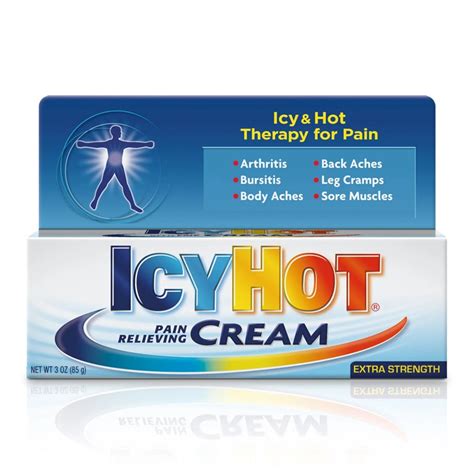
Removing Icy Hot Effectively
If you experience itching or burning after applying Icy Hot, prompt removal is essential for immediate relief. The most effective method is to wash the affected area thoroughly with soap and warm water. Use warm, not hot, water, as hot water can open your pores and potentially worsen the pain and irritation.
Some individuals have found success in neutralizing the Icy Hot by applying olive oil with a cotton ball to the affected area before washing. Others use petroleum jelly to soothe any residual burning sensation after the initial washing.
Potential Side Effects and Precautions
While generally safe when used as directed, Icy Hot can, in rare cases, cause chemical burns. It is also very dangerous if swallowed, as it is a topical medication. Always read and follow the instructions on the Icy Hot packaging. If your condition persists for more than 7 days, worsens, or returns, consult your doctor. Redness, warmth, or irritation at the application site are possible side effects.
It is vital to check the ingredients on the label, even if you have used the product before, as manufacturers may change formulations. Products with similar names might contain different ingredients intended for different purposes, so careful label reading is essential to ensure you have the correct product.
Understanding and Treating Sunburn
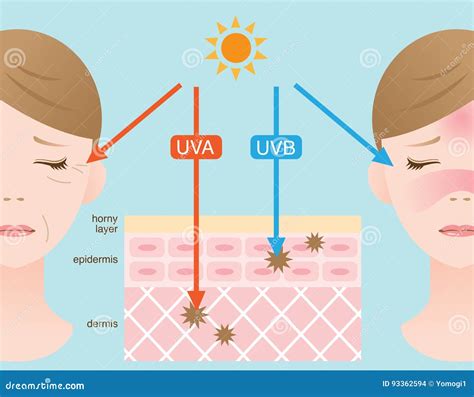
Sunburn is a skin injury that occurs due to overexposure to the sun's ultraviolet (UV) rays. Melanin, the natural pigment that protects the skin, can become overwhelmed, leading to inflammation and damage.
Recognizing and Responding to Sunburn
Sunburn can happen at any time of year, even on cloudy days, as UV rays are present whenever the sun is out. Sunlight can even penetrate windows, with UVA rays capable of damaging deeper skin layers, although UVB rays typically do not cause burns through glass.
The immediate response upon realizing you have a sunburn should be to get out of the sun and head indoors if possible. Sunburned skin is often hot to the touch. A cool (but not cold) bath or shower can provide relief. Treat the sunburned areas gently by blotting and patting them with a soft towel instead of rubbing.
Soothing Sunburned Skin
Aloe vera is highly recommended for sunburn relief due to its anti-inflammatory compound, aloin. It is available in gel form and is often included in moisturizers and lotions. Over-the-counter cortisol creams can also help reduce pain and discomfort. Nonsteroidal anti-inflammatory drugs (NSAIDs) such as ibuprofen and aspirin can be effective in managing pain and inflammation.
If blisters form, indicating a second-degree burn, do not interfere with them. Allow them to heal naturally, as popping blisters or removing peeling skin can lead to infection. It is important to moisturize the skin frequently, as sunburn damages and dries it out. Staying hydrated by drinking plenty of water is also crucial, as the body diverts fluids to aid in the healing process.
Preventing Future Sunburns
Sun damage is cumulative, meaning the risks taken over a lifetime contribute to long-term skin health. Therefore, consistent sun protection is vital. Always wear sunscreen, and cover up with long sleeves, sunglasses, and headgear. Pay attention to often-neglected areas like the tops of your ears, the back of your neck, and the tops of your feet.
How to Apply Sunscreen the Right Way | Well+Good
Interactions Between Icy Hot and Sunburned Skin
Applying Icy Hot to sunburned skin is strongly discouraged. Sunburned skin is already damaged and inflamed, and the active ingredients in Icy Hot, such as menthol and methyl salicylate, can significantly worsen the irritation, potentially leading to chemical burns or increased discomfort. The warming sensation of Icy Hot can also exacerbate the heat associated with sunburn, making the condition more painful.
Therefore, if you have a sunburn, it is best to avoid using Icy Hot altogether. Focus on soothing the sunburn with remedies like aloe vera and cool compresses. If you experience muscle pain in an area that is also sunburned, consider alternative pain relief methods that are safe for irritated skin, or wait until the sunburn has healed before using Icy Hot.