Grapes, particularly their seeds, have a long history of use, dating back to ancient Greece, for their perceived health-promoting properties. While the fruit itself is celebrated for benefits ranging from heart health to longevity, the seeds harbor a unique profile of potent antioxidants that offer distinct advantages, especially for skin health.
Understanding Grape Seed Extract
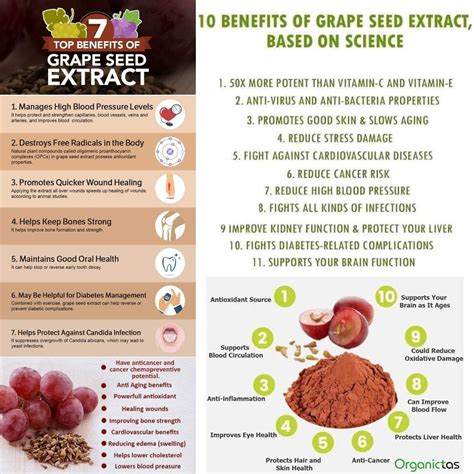
As the name suggests, grape seed extract (GSE) is derived from the seeds of grapes, not the flesh. Within these seeds are a specific group of polyphenols known as oligomeric proanthocyanidins (OPCs), also referred to simply as proanthocyanidins. These compounds are renowned for their powerful antioxidant and anti-aging capabilities.
While other foods like tea, black currant, bilberry, and cranberry also contain proanthocyanidins, grape seeds are a particularly rich source. It's important to distinguish GSE from resveratrol, another well-known compound found in grapes, particularly in red wine. While both are beneficial, they work through different mechanisms. Resveratrol activates "longevity genes" that produce sirtuins, proteins linked to extending lifespan, whereas GSE's benefits for the skin are more directly related to its antioxidant and anti-inflammatory actions.
For those seeking the benefits of grapes without alcohol, grape seed extract offers an alcohol-free alternative. It has also been linked to supporting healthy blood pressure levels and improving stress management, as there's a known connection between stress and blood pressure.
The nitric oxide-boosting properties of grape seed extract contribute to supporting healthy blood flow and maintaining healthy platelet levels, which are crucial for blood clotting. Intriguingly, a study indicated that daily intake of GSE for 14 days improved leg comfort in women who experienced prolonged sitting.
Furthermore, preclinical research suggests that GSE may benefit memory by promoting synaptic transmission in the hippocampus, a key brain region for memory function. At a cellular level, preliminary clinical research has indicated potential liver health benefits from grape seed extract.
A meta-analysis of 19 studies revealed that grape seed extract, compared to a placebo, improved biomarkers of oxidative stress and reduced C-reactive protein levels, a systemic marker of inflammation. As with any supplement, it is advised to follow the product label for safety and optimal dosing.
Grape Seed Extract for Skin Rejuvenation
While red wine often takes center stage for the heart-healthy benefits of grapes, the skin benefits derived from grape seeds are equally remarkable. Grape seeds are an excellent source of vitamins C and E, as well as flavonoids, all of which can contribute to improving skin texture and reducing the visible signs of aging.
Many skincare products, including cleansers, scrubs, and moisturizers, as well as professional treatments, incorporate crushed grape seeds, grape seed extract, and other grape-derived components to harness these benefits.
Protection Against Sun Damage
Grape seed extract, along with other antioxidants found in grapes, contains proanthocyanidins and resveratrol. Research indicates that when GSE is applied to the skin before UV light exposure, these compounds may offer a degree of sunscreen effect. This can help reduce redness and cellular damage caused by UV radiation. Some studies published in journals like Nutrition and Cancer suggest that topically applied grape-derived antioxidants may even possess cancer-fighting abilities.
While GSE can supplement sun protection, it's crucial to remember that sunscreen remains the primary defense against harmful UV rays. Serums and lotions containing grape seed extract and resveratrol can be used as an adjunct to a regular sun protection routine, applied before your SPF cream.
Reducing the Appearance of Wrinkles and Aging Signs
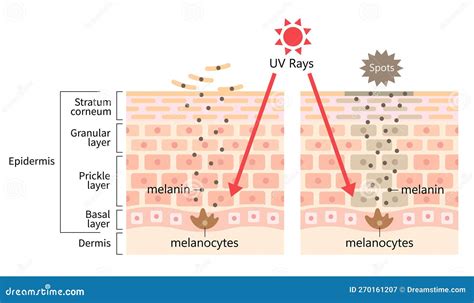
Beyond sunburns, UV light is a major contributor to skin aging. The antioxidants present in grape seeds, particularly vitamin C, may help reverse or mitigate some of the wrinkling effects caused by sun exposure. A small trial demonstrated an 88 percent improvement in skin texture after participants used a product containing grape seed extract for six weeks.
When seeking anti-aging products, look for those that list grape seed extract among their ingredients. It's important to note that some anti-aging products can increase skin sensitivity to the sun, making consistent sunscreen use even more critical when incorporating them into your daily routine.
Softening and Smoothing the Skin
Grape seed oil, a derivative of grape seeds, is known for its rich, moisturizing, and gentle properties, often used by massage therapists for its skin-hydrating benefits. Grape seed extract, in turn, delivers vitamin E, a nutrient that concentrates in skin cell membranes and helps retain moisture. Additionally, crushed grape seeds serve as an effective natural exfoliant. Gently scrubbing the skin with them helps remove dead skin cells, revealing smoother, healthier skin underneath.
Grape seed oil can be found in health food stores and can be used on its own or mixed with essential oils for a personalized scented body oil. Scrubs and moisturizers containing grape seeds or the extract are also widely available.
Scientific Insights into Grape Seed Extract's Anti-Aging Properties
Skin aging is a multifaceted process influenced by intrinsic factors like genetics and hormones, as well as extrinsic factors such as ultraviolet radiation (UV) and environmental pollutants. Grape seed extract, being an abundant source of polyphenols, alkaloids, steroids, cardiac glycosides, saponins, and resveratrol, presents a promising therapeutic intervention against skin aging.
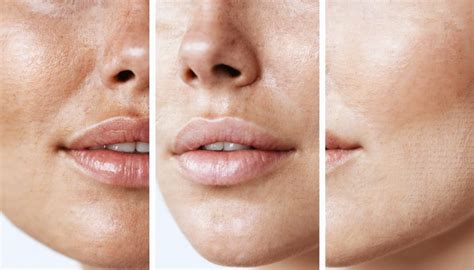
Research employing an integrative review methodology, searching databases like the Virtual Health Library, has consistently shown positive outcomes from the use of grape seed extracts in anti-aging applications. Studies have reported reductions in pH, wrinkles, dark circles, redness, and skin blemishes.
Advanced Formulations for Enhanced Efficacy
The inherent properties of grape seeds, rich in polyphenols with antioxidant and anti-aging potential, make them valuable for skincare. These compounds can protect against UV damage and inflammation, and also enhance collagen production, contributing to skin suppleness and firmness.
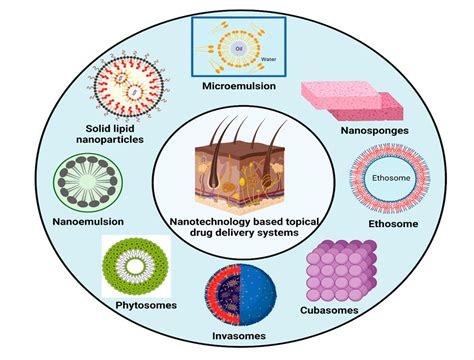
In the realm of cosmetic innovation, nanoformulations, particularly phospholipid vesicles like liposomes and hyalurosomes, have emerged as a promising approach to amplify the efficacy of grape polyphenols. These systems offer enhanced bioadhesion, improved texture, greater product stability, and better skin penetration, leading to increased shelf life and effectiveness.
Nanoparticles are particularly useful for delivering natural compounds directly to damaged skin tissues, potentially minimizing side effects in the treatment of various skin conditions. They are also ideal for advanced cosmetic products offering significant skin protection.
Studies have demonstrated that grape seed extracts encapsulated in nanoemulsions can improve sunscreen effectiveness. Furthermore, grape seed extracts loaded into phospholipid vesicles have shown potential in boosting skin hydration and reducing signs of aging. Hyalurosomes, a type of phospholipid vesicle, have shown particular promise in counteracting oxidative stress and promoting cell proliferation and migration, thereby supporting wound healing.
Clinical Evidence and Future Directions
A clinical study involving 40 volunteers evaluated the efficacy of extract-loaded hyalurosomes as an "anti-aging serum." The results indicated improvements in skin hydration, a reduction in wrinkle depth, and a slight decrease in melanin and erythema levels.
The physical appearance of grape seed powder is typically a fine, light beige powder with a uniform particle size. The extraction process involves dispersing ground seed powder in an ethanol-water mixture, followed by filtration and removal of ethanol. Spray drying is then used to obtain the powder.
Characterization of the extract involves assays for total phenolic content, antiradical activity using DPPH, and antioxidant activity via FRAP and CUPRAC assays. High-Performance Liquid Chromatography (HPLC) is employed to identify and quantify specific phenolic compounds within the extract.
The preparation of vesicles, such as liposomes and hyalurosomes, involves incorporating the extract and other active ingredients with phospholipids and hydrating agents. These formulations are then characterized for their average diameter, polydispersity index, and zeta potential to ensure stability and efficacy.
In vitro studies using human keratinocytes have shown that hyalurosomes loaded with grape seed extract and glutathione can increase keratinocyte viability and provide enhanced protection against oxidative stress compared to liposomes.
While promising, it's important to note that more research is needed to fully understand the benefits and potential risks of grapeseed oil for skin health. Some research suggests grapeseed oil may help increase collagen production, and anecdotal reports suggest it doesn't clog pores, though scientific studies are needed to confirm this.
Using grapeseed oil on the face as part of a morning skincare routine is generally considered safe. It is a simple, low-risk, and relatively inexpensive treatment that may support skin health by protecting against oxidative stress, inflammation, and UV rays. However, consulting with a healthcare professional before use is recommended, especially for individuals who are pregnant, have chronic skin conditions, or are taking medications.