If you are considering Botox for the first time, you’re not alone. Botox has become one of the most popular non-surgical cosmetic treatments, helping millions of people look and feel their best by reducing the appearance of wrinkles and fine lines. However, if this is your first time getting Botox, it’s natural to feel a little nervous or unsure about the process. With the following tips, you’ll feel comfortable and ready for your first Botox appointment.
Understanding Botox and How It Works
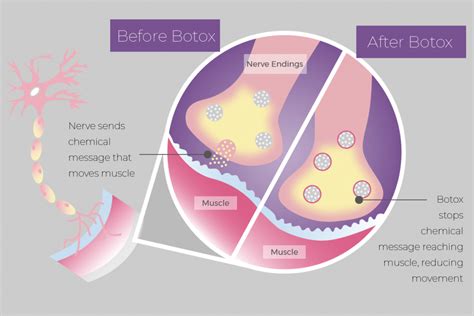
Before you go in for your first treatment, it’s important to understand what Botox is and how it works. Botox is a brand name for botulinum toxin type A, which temporarily relaxes the muscles beneath the skin. When injected into targeted areas of the face, Botox blocks nerve signals that cause muscle contractions, which helps to smooth out wrinkles and fine lines.
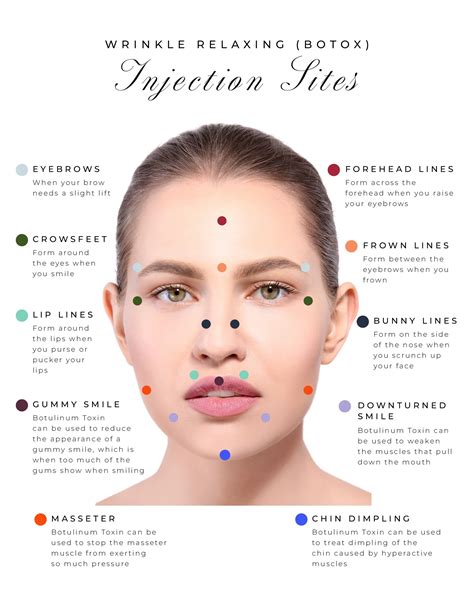
Botox is often used to treat dynamic wrinkles - the ones that are caused by facial expressions like frowning, smiling, or squinting. Botox is FDA-approved and most commonly used to address:
- Forehead lines
- Crow’s feet (the lines around your eyes)
- Frown lines (between the eyebrows)
Botox isn’t a permanent solution for wrinkles - its effects typically last three to four months. After that, you’ll need a follow-up treatment to maintain the results.
What to Expect During Your First Botox Appointment
Your first Botox appointment will be relatively quick and straightforward, usually taking between 15 to 30 minutes. Your dermatologist or dermatology specialist will ask about your medical history and any allergies or medications you’re currently taking. Then, the provider will examine your face and mark the areas that need Botox. They’ll take into account your facial anatomy and your specific aesthetic goals. If you’re unsure where you want Botox, they can also provide advice and guidance.
Next, the dermatologist or dermatology specialist will begin administering Botox injections using a very fine needle. Most people find the injections relatively painless, although you may experience a slight pinch or stinging sensation. After your treatment, your provider will give you specific aftercare instructions to follow.
Botox is a prescription medicine and must be used only under the care of a licensed and skilled health care provider. The procedure can result in unwanted results or even cause harm if it's given incorrectly. Rarely, the medicine may spread to parts of the body where it isn't supposed to go, causing symptoms there. Select your health care provider carefully.
Preparing for Your First Botox Appointment
To ensure the best results and minimize any potential complications, follow these steps before your first Botox appointment:
- Stop taking blood thinners (such as aspirin, ibuprofen, or certain supplements) for one to two weeks before your Botox treatment to reduce the risk of bruising. It’s important to consult your doctor for guidance about safely pausing over-the-counter blood thinners or what to do regarding prescription medications.
- Stay away from alcohol for at least 24 hours before your appointment, as it can thin the blood, increasing the chance of bruising.
- Limit caffeine intake, including coffee, a day before your procedure.
- Don’t wax, tweeze, or bleach the treatment area close to your appointment.
- Drink plenty of water and use a moisturizer in the days leading up to your appointment. Hydrated skin can help Botox settle more evenly.
Which type of botulinum injection is right for you depends on your needs and condition. Tell your health care provider if you've had any type of Botox injection within the past four months. Also, tell your health care provider if you take blood thinners, as you may need to stop taking them several days before your injection to reduce the risk of bleeding or bruising.
What to Expect After Your First Botox Treatment
After your first treatment with Botox, most patients can expect the following:
- Botox does not provide immediate results; it takes time for muscles to relax and wrinkles to soften. Most people realize the full benefit within two weeks.
- Botox requires little to no recovery time. Most people can resume their daily activities immediately.
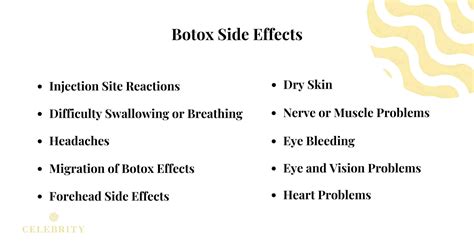
- You may experience some minor side effects, including:
- Bruising, which should fade in a few days.
- Swelling, which is normal immediately after your Botox treatment.
- A mild headache, which should resolve quickly.
Botox injections usually begin working 1 to 3 days after treatment, though it can take a week or more to see full results. Depending on the problem being treated, the effect may last 3 to 4 months.
What to Avoid After Your First Botox Injection
Follow these simple tips for the first 24 hours after your first Botox injection to ensure the best results:
- Don’t touch or rub your face - this can spread the Botox and affect the results.
- Avoid lying down or resting your face for long periods - keep your head elevated to help the Botox settle properly.
- Don’t exercise or engage in strenuous activities - this can increase blood flow and affect how the Botox works.
- Avoid excessive facial expressions like frowning or squinting, as these can put extra pressure on the treated areas.
Do not rub or massage the treated areas for 24 hours. And don't lie down for 2 to 4 hours after getting the shots. Following this advice helps prevent the toxin from spreading to an area where it isn't needed.
How Long Will Botox Results Last?
For those who are getting Botox for the first time, remember that Botox is not a permanent solution. You’ll have to return every three to four months to maintain your results. Certain factors also play a role in how long your Botox treatment will last, including:
- Metabolism: People with a fast metabolism may need a touch-up sooner.
- Area Treated: Some areas with stronger muscles like the forehead may require more frequent touch-ups than areas with smaller muscles like crow’s feet.
- Amount of Botox Used: If you were treated with a large amount of Botox, your results may last longer.
- Age: Younger people tend to have better skin elasticity, so results often last longer.
- Lifestyle Factors: Smoking, excessive sun exposure, and vigorous exercise can also impact your results.
Over time, many Botox patients find that the duration of the results may increase as the targeted muscles become weaker and less prone to contracting.
Common Concerns for Your First-Time Botox Treatment
It’s natural to have some concerns before your first Botox treatment. Some of the most frequent questions are:
Will I look “frozen” after Botox?
No, Botox shouldn’t leave you looking “frozen.” When done correctly, it gives a natural, refreshed look. You’ll still be able to make facial expressions, just without the deep wrinkles.
Is Botox safe?
Yes, Botox is FDA-approved and has been safely used for more than 20 years. As with any procedure, choosing a skilled injector is key to minimizing risks. Botox is considered safe when the appropriate dose is administered, but temporary side effects may occur. Botox does not require anesthesia.
Will I see results immediately?
You may start to notice improvements within a few days, but full results typically take two weeks.
Understanding Different Botulinum Toxin Products
While the word “Botox” is often used as a blanket term to describe a cosmetic procedure, it is actually a brand name that has become synonymous with the process. There are different brand names for botulinum toxin injections, and not all products treat the same problems. Your healthcare provider can discuss the best option for your unique situation. In addition to Botox, options include:
- Dysport® (AbobotulinumtoxinA)
- Xeomin® (IncobotulinumtoxinA)
- Jeuveau® (PrabotulinumtoxinA)
What’s the difference between Dysport vs. Botox?
Dysport and Botox are both injections made from botulinum toxins. The main difference is the potency of trace proteins found in these medications. As a result, Dysport may offer faster outcomes, but Botox may last longer. If you’re trying to decide which treatment option is right for you, talk to your healthcare provider.
Botox vs. Dermal Fillers
Cosmetically, Botox and dermal fillers offer similar results, both helping to reduce the appearance of facial lines and wrinkles. While Botox is made from botulinum toxin, dermal fillers are made from other natural or synthetic materials, including collagen, hyaluronic acid, or calcium hydroxylapatite. Botox injections temporarily paralyze muscles to reduce wrinkles, while dermal fillers add volume and help retain moisture. Your healthcare provider can discuss the pros and cons of each treatment and help you determine which option is best for you.
Botox for Medical Conditions
Botox injections are shots that use a toxin to prevent a muscle from moving for a limited time. They are also used to treat neck spasms, sweating, overactive bladder, lazy eye, and other conditions. The medicine in Botox injections is made from the same toxin that causes a type of food poisoning called botulism, but in Botox treatments, it is highly purified and safe when administered under medical supervision.
Migraines
The Food and Drug Administration (FDA) has approved Botox injections for the treatment of chronic migraines. This therapy works best for people who experience headaches at least 15 days out of every month. To ease migraine symptoms, Botox is injected into the treatment area. The medication enters your nerve endings, thereby blocking the chemicals that signal pain transmission. In general, Botox for migraines works better with every additional treatment. Most people report satisfactory results after the second or third session.
Other Medical Uses
- Neck spasms: In this painful condition, the neck muscles contract in an uncontrolled way, causing the head to twist or turn into an uncomfortable position.
- Other muscle spasms: Cerebral palsy and other conditions of the nervous system can cause the limbs to pull in toward the center of the body.
- Lazy eye: The most common cause of lazy eye is an imbalance in the muscles used for moving the eye.
- Sweating: Botox might be used for a condition in which people sweat a lot even when they're not hot or working up a sweat.
- Bladder problems: Botox injections may be used to treat certain types of urinary incontinence.
Safety and Risks of Botox
Botox injections are usually safe when you're under the care of a licensed and skilled health care provider. The procedure can result in unwanted results or even cause harm if it's given incorrectly. Rarely, the medicine may spread to parts of the body where it isn't supposed to go. It can cause symptoms there.
While Botox is considered safe for most patients when administered by experienced professionals, rare adverse events can occur. These may include facial asymmetry, muscle weakness, vision problems, flu-like symptoms, muscle tension, or a stinging sensation at the injection site. Ptosis (drooping of the eyelid) is rare but can occur when the injected Botox spreads into the areas around the targeted site, especially near the eyes.
Injections of botulinum toxin may seem like a simple procedure, but it's actually both an art and a science that only an experienced healthcare professional should do. There are 43 muscles in your face, and it's vital that the person who performs botulinum toxin injections understands and pinpoints the correct spots to optimize your treatment.
Can you get Botox while pregnant or breastfeeding?
Botox injections aren’t likely to harm the fetus. Still, most healthcare providers recommend waiting until after you’ve given birth to undergo treatment. Experts aren’t sure whether or not Botox ends up in breast milk. To ensure the safety of your baby, most healthcare providers advise against getting Botox injections while breastfeeding.
Is it safe to get Botox and the COVID-19 vaccine?
Yes. There are no known cases concerning Botox and COVID-19 vaccine reactions. Healthcare providers strongly recommend that you get the COVID-19 vaccine as soon as you’re eligible, whether or not you’ve had Botox. There have been isolated cases of swelling in people with dermal fillers who received the Moderna and Pfizer vaccines. First, remember that Botox injections and dermal fillers aren’t the same thing. Secondly, people who experienced these rare side effects reported that symptoms diminished quickly. Further, the temporary swelling didn’t cause any long-term health complications.
Finding the Right Professional for Your Botox Procedure
For optimal results and to minimize the risk of complications, it’s essential to find the right professional to perform your Botox procedure. Botox injections should always be performed by a highly trained specialist, such as a plastic surgeon or physician assistant, who has expertise in facial anatomy. Improper administration of Botox injections can cause unwanted results or even harm, so choosing a qualified provider is crucial.
During your initial consultation, our experts will thoroughly assess your skin, discuss your goals, and develop a customized treatment plan that addresses your unique concerns. Our commitment to patient safety and satisfaction is at the forefront of everything we do.
How to Map the Face for Botox and Fillers | Becoming a Successful Nurse Injector
Scheduling Your First Botox Treatment
Discover how Botox can help you achieve a smoother, more youthful appearance. Our highly skilled dermatologists and dermatology specialists will address your questions, create a personalized treatment plan, and guide you through your first Botox experience. Schedule your first Botox appointment with Rodgers Dermatology today! Whether you want to smooth fine lines or enhance your natural beauty, we’re here to help you achieve your goals.
Book an appointment at Schweiger Dermatology Group by calling or texting (844) DERM-DOC or by using our online appointment scheduling system. If you’d like to learn more about Botox or other cosmetic procedures, our team at Columbia is here to help. Call us at (212) 305-3103 or request an appointment online.