Selecting the appropriate facial cleanser is the foundational step in any effective skincare regimen, beginning with a thorough understanding of your individual skin type. The American Academy of Dermatology (AAD) categorizes skin into five primary types: normal, oily, dry, sensitive, and combination. Each type possesses distinct characteristics, largely determined by the amount of sebum, or natural oils, the skin produces. It's important to note that skin type can evolve over time due to aging, hormonal shifts, stress, and environmental factors.
Understanding Your Skin Type
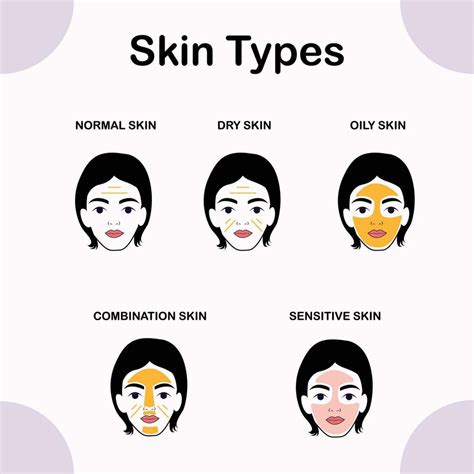
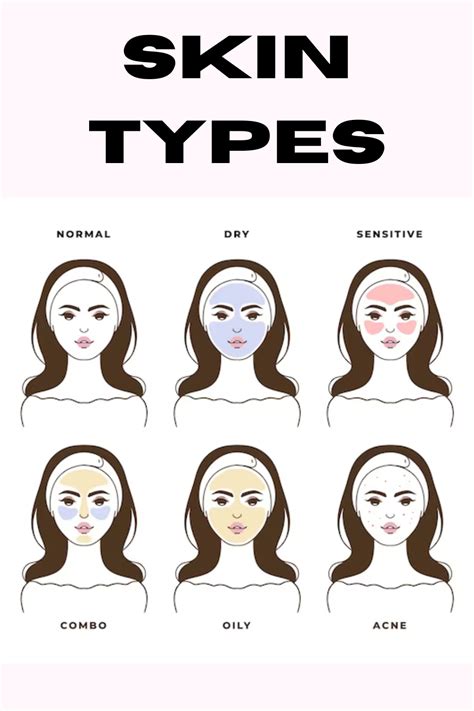
To effectively choose a facial cleanser, it is crucial to identify your specific skin type:
Normal Skin
This skin type is characterized by a healthy balance, neither excessively dry nor oily. It typically lacks significant concerns such as visible pores, acne, or sensitivity.
Dry Skin
Lacking adequate moisture, dry skin often feels tight, itchy, and uncomfortable. It may also exhibit a rough texture, visible fine lines and wrinkles, and a dull appearance.
Oily Skin
Individuals with oily skin experience an overproduction of sebum. This excess oil can lead to common issues like acne breakouts, enlarged pores, blackheads, and an unwanted shine.
Combination Skin
Combination skin presents a mix of conditions, being dry in some areas and oily in others. Often, oiliness is concentrated in the T-zone (forehead, nose, and chin), while cheeks may be dry.
Sensitive Skin
Sensitive skin tends to react to skincare products with stinging, burning, or redness. While classified as a distinct type, sensitivity can also occur alongside any of the other skin types.
The Importance of Choosing the Right Cleanser
The American Academy of Dermatology recommends selecting a cleanser tailored to your skin type. The choice of cleanser significantly impacts how your skin looks and feels. For instance, a product that is highly effective for oily skin might be too harsh for dry or sensitive skin. Conversely, an ultra-mild cleanser may not provide a deep enough cleanse for those with oilier, acne-prone skin.
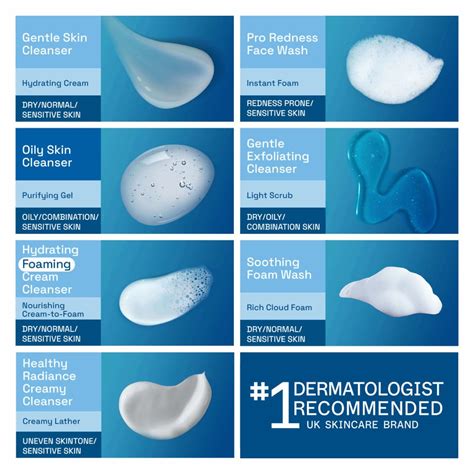
Furthermore, individuals with different skin types often gravitate towards cleansers with varying textures. Understanding these preferences can guide your selection process.
Types of Facial Cleansers
Facial cleansers are formulated in a variety of forms, each designed to address specific skin needs:
Gel Cleansers
These lightweight formulas are effective at removing light makeup, dirt, and excess oil. They typically produce a lather, leaving the skin feeling refreshed, deeply cleansed, and comfortable.
Lotion and Cream-Based Cleansers
Featuring a rich, silky texture, these cleansers offer a moisturizing and soothing experience. They may produce a lather, depending on the specific product formulation.
Foaming Face Washes
Foaming cleansers can range from mild bubbling to a rich lather. They often begin as a gel or cream and transform into foam upon contact with water, providing a thorough cleanse.
Oil-Based Cleansers
Utilizing moisturizing oils like jojoba oil as primary ingredients, these cleansers are typically formulated as cleansing oils or balms. They leave the skin feeling nourished and deeply hydrated, making them particularly suitable for dry skin.
Cleanser Bars
It is important to distinguish between traditional bar soaps and facial cleansers available in bar form. While bar soaps can be harsh, soap-free cleanser bars offer a gentle cleansing option in a convenient format.
Micellar Waters
These liquid cleansing formulas effectively remove excess oil, dirt, and makeup without stripping the skin or disrupting its natural barrier. Micelles within the water act like magnets, gently lifting impurities from the skin's surface.
Face Wipes
Face wipes provide a quick and convenient method for cleansing the skin and removing makeup, whether at home or on the go. Many are formulated to be gentle and suitable for most skin types.
The Benefits of Facials
Beyond daily cleansing, professional facials offer a comprehensive approach to skin health and rejuvenation. Facials are non-invasive treatments that encompass cleansing, moisturizing, exfoliating, and other customized elements tailored to individual skin types and needs. Performed by licensed skincare professionals like aestheticians, facials aim to address specific skin concerns, promote overall skin health, and provide relaxation.
“A facial is like a big drink of water for your skin,” explains aesthetician Amanda Kanaan. “After a treatment, your skin will look healthy, hydrated and radiant.”
Professional Facial | Double Cleanse, Extractions, Massage & Mask
Key Benefits of Facials Include:
- Addressing specific skin concerns.
- Promoting overall skin health and radiance.
- Deep hydration and plumping of the skin.
- Continuous exfoliation to reveal new skin.
- Shrinking the size of pores.
- Lessen oil production.
- Reducing hyperpigmentation and dark spots.
- Balancing the skin’s pH.
- Increasing blood circulation, which aids in killing bacteria and promoting cell regrowth.
- Stimulating collagen production, essential for skin structure, strength, and elasticity.
Types of Facials
The variety of facial treatments available can be overwhelming, but understanding the core types can help in making an informed choice:
Standard Facial
A comprehensive treatment typically including cleansing, exfoliation, a personalized mask, moisturizing, and a light facial massage. It may also involve facial steaming, extractions, and the application of serums.
HydraFacial
This three-in-one service exfoliates, extracts, and infuses serums into the skin using a patented wand-like tool. It's designed for overall skin health and rejuvenation, incorporating a chemical peel and antioxidant infusion.

DiamondGlow (Dermalinfusion)
A three-in-one treatment for exfoliating, extracting, and hydrating, performed with a gentle dermabrasion device. It uses mechanical exfoliation with a diamond tip to smooth skin, add volume, and address concerns like acne and wrinkles.
Facial Add-Ons and Treatments
Beyond standard facial protocols, various add-on treatments can enhance results:
Face Masks
Targeted masks can address specific goals such as anti-aging, collagen production, or moisture retention.
Dermablading
A painless micro-exfoliation process that removes the top layer of the epidermis, along with dirt, debris, dead skin, and fine facial hair, improving product penetration.
Manual Extractions
Safely performed by trained professionals to remove blackheads and whiteheads, helping to clear pores and prevent inflammation.
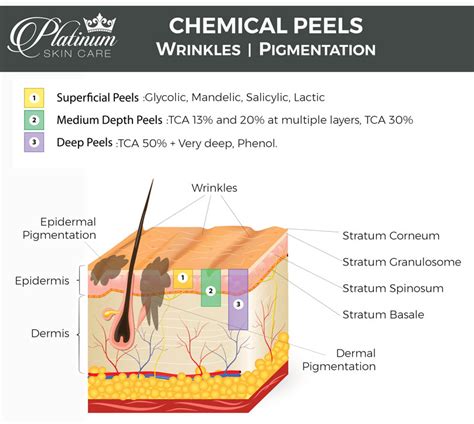
Chemical Peels
Utilize chemical solutions to remove layers of skin and encourage cell renewal. Common acids include glycolic acid (for exfoliation and collagen), lactic acid (for texture and sensitive skin), and salicylic acid (for unclogging pores).
LED Light Therapy
Uses different wavelengths of light to treat various skin concerns. Red light reduces inflammation and combats aging, yellow light reduces hyperpigmentation, and blue light kills bacteria and speeds acne healing.
Understanding Breakouts After a Facial
Experiencing breakouts after a facial, known as "purging," is a common phenomenon. It occurs when the treatment accelerates the process of bringing impurities, dirt, and bacteria from beneath the skin's surface to the top. This is particularly noticeable after the first facial or when introducing new products. Purging is temporary and should subside within one to two weeks. Consistent skincare and regular facials can help minimize future purging.
How Often Should You Get a Facial?
For optimal results, facials are generally recommended every four to six weeks, aligning with the skin's natural renewal cycle. Consistency is key, especially when addressing specific skin concerns. Maintaining a consistent routine and adhering to post-facial skincare recommendations from your aesthetician will help preserve results and improve skin health. As skin concerns improve, the frequency of facials can be adjusted to a more maintenance-focused schedule.
Integrating Cleansing into Your Skincare Routine
To maximize the benefits of your facial cleanser, integrate it thoughtfully into your daily regimen:
Use Morning and Night
Cleansing serves as the initial "Prep" stage of your skincare routine. Begin both your AM and PM routines with a cleanser to remove makeup, excess oil, and daily impurities, preparing your skin for subsequent active ingredients.
Be Gentle With Your Application
Dispense cleanser into your hands and gently massage it onto wet or dry skin using slow, circular motions. Avoid scrubbing, and always patch-test new products to prevent irritation. Refer to product usage details for the safest application method.
Follow with Toner, Targeted Treatments, and Moisturizer
After cleansing (Prep), consider using a toner for additional exfoliation, hydration, and barrier support. Toners can help remove residual traces of makeup or dirt and prepare the skin for targeted treatments (Treat), which address specific concerns. Finally, moisturizers (Seal) lock in benefits and support the skin barrier.
Toners help gently exfoliate, smooth textural irregularities, and prepare the skin for products like serums and moisturizers. A good option is a hydrating and smoothing toner containing ingredients like saccharomyces ferment.
A facial cleanser is a skincare product designed to remove dirt, oil, makeup, and other impurities from the skin. Cleansers come in various forms, such as gels, creams, foams, oils, and micellar waters, each suited for different skin types. Cleansing your face is a crucial step in your skincare routine, as it removes dirt, oil, makeup, and pollutants, preventing clogged pores and breakouts and keeping your skin healthy.
Facial cleansers are often creamy and hydrating, utilizing micelles or oils to gently remove impurities, making them ideal for dry or sensitive skin. Different types of facial cleansers exist, including gel cleansers for acne-prone skin, cream cleansers for dry skin, and oil-based cleansers for makeup removal. Finding the best facial cleanser involves considering your skin type and specific concerns.
Why Cleanse?
Cleansing removes dirt, oil, makeup, and pollutants, which prevents clogged pores and reduces the risk of breakouts. It also helps balance oil production, improving skin texture by minimizing excess shine or dryness. Common cleansing errors include over-cleansing and using hot water, which can lead to skin sensitivity or redness. It is essential to cleanse each morning and evening. In the morning, use a gentle cleanser to refresh the skin. Cleansing is most effective when paired with a toner and moisturizer. After cleansing, a toner helps balance the skin’s pH and removes any remaining impurities, while a moisturizer locks in hydration and keeps the skin nourished.
Facial cleansers are essential for maintaining healthy, radiant skin by removing impurities and preventing clogged pores. Most cleansers are formulated for specific skin types, such as gel cleansers for oily skin or cream cleansers for dry skin, addressing specific needs like oil control or hydration. Ingredients like alcohol, sulfates, and synthetic fragrances can irritate the skin by stripping moisture, causing dryness, or triggering sensitivities.
Your facial cleanser is working if your skin feels clean, refreshed, and balanced without dryness or irritation. Over time, you should notice fewer breakouts and a clearer complexion.
Double Cleansing
Double cleansing is not essential for everyone but is recommended if you wear makeup, sunscreen, or have oily skin, as it ensures thorough removal of impurities. Start with an oil-based cleanser to break down makeup and sunscreen, followed by a gentle water-based cleanser to remove any remaining dirt and oil.
Water Temperature
It is best to use lukewarm water while cleansing, as it effectively removes dirt and oil without irritating or damaging the skin. Hot water can strip the skin’s natural oils, causing dryness and irritation, while cold water may not cleanse effectively, leaving residue behind.
Seasonal Cleanser Adjustments
It is recommended to switch your facial cleanser according to the season. During colder months, a more hydrating, cream-based cleanser may be needed to combat dryness, while in warmer months, a gel or foaming cleanser is necessary to control oil and sweat.
Simply rinsing with water is not enough to keep your skin clear. Water alone cannot remove excess oil, makeup, or impurities.
After cleansing, apply a toner to rebalance skin, remove leftover residues, and optimize the absorption of creams and serums. Cleansing leaves skin fresh, clean, and prepared. After cleansing, moisturize to lock in hydration.