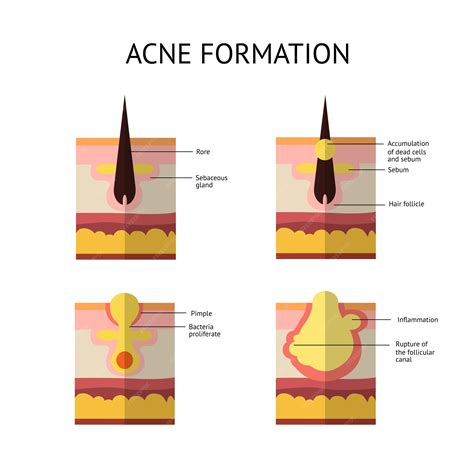
Acne is a common skin condition that occurs when pores become clogged with oil and dead skin cells. These clogged pores can lead to the formation of pimples, blackheads, and whiteheads, typically appearing on the face, neck, chest, and back. The skin naturally produces oil through tiny glands to maintain its health. However, an overproduction of this oil, combined with dead skin cells, can obstruct pores, triggering acne breakouts. In some cases, bacteria can proliferate within these clogged pores, exacerbating the acne.
Acne can range in severity from mild to severe and affects individuals of all ages, though it is most prevalent among teenagers. Experiencing acne breakouts can be a source of frustration and may negatively impact self-esteem and mental well-being.
Dietary Factors and Acne
The relationship between diet and acne is a topic of ongoing discussion and research. While greasy foods themselves are not directly responsible for triggering acne outbreaks, the environment in which they are prepared or consumed can play a role. For instance, working in a greasy environment, such as a restaurant kitchen, can increase the risk of acne due to the presence of oils in the air.
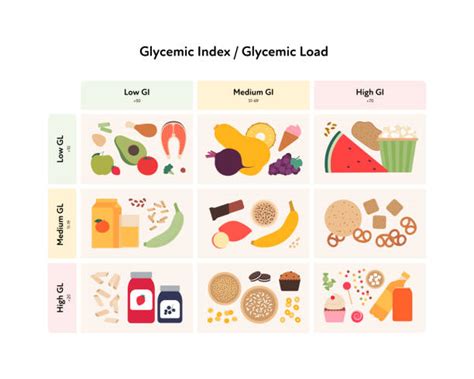
While a greasy pizza might not be the direct cause of acne, certain dietary choices can influence the severity of existing acne symptoms. Foods with a high glycemic index, including starchy items like potato chips and white bread, have been associated with an increased risk or worsening of acne. Similarly, sugary foods may not initiate acne outbreaks but can aggravate existing conditions.
Although no specific foods are definitively proven to cause acne, some can exacerbate symptoms if they are a regular part of one's diet. A healthy diet that is low in sugar, refined carbohydrates, and processed foods may help reduce the risk of acne. The idea that high-sugar foods can cause a rapid spike in blood sugar, leading to increased insulin production and subsequently more androgen hormones, which in turn stimulate oil production, is one theory. This excess oil can then clog pores and contribute to pimples. Processed carbohydrates, often lacking in fiber, can also promote inflammation in the body, potentially worsening acne. Furthermore, a diet high in processed carbohydrates may disrupt the gut microbiome, potentially contributing to skin issues.
Dairy and Whey Protein
The link between dairy products and acne is not definitively established, but some theories suggest that hormones present in dairy could influence the body's hormone balance and increase sebum production, thereby contributing to acne. Dairy can also cause inflammation, which may exacerbate acne breakouts.
Research into the relationship between fast food consumption and acne flare-ups is also ongoing. Some studies indicate that regular consumption of fast food, which is often high in refined carbohydrates and sugars, may increase the likelihood of acne outbreaks due to blood sugar spikes. Similarly, the consumption of whey protein, derived from milk, has been investigated for its potential impact on skin. Whey protein contains hormones that might worsen acne and can increase the production of insulin and insulin-like growth factor 1 (IGF-1), both of which are linked to acne development. Like fast food, whey protein powder can also cause rapid increases in blood sugar levels, leading to heightened insulin production.
Topical Oils and Acne: Myths vs. Reality
In recent years, face oils have gained popularity in skincare routines, lauded for their benefits for various skin types. Products formulated with antioxidants and essential fatty acids aim to strengthen the skin barrier, enhance moisture retention, smooth fine lines, even skin tone, and more. However, misconceptions about face oils and their potential to cause acne persist.
Common Myths About Face Oils
- MYTH #1: Face oil is unsuitable for acne-prone skin because it can clog pores and cause breakouts.
This is a misconception. Just as with serums and moisturizers, there are face oil options suitable for all skin types, including acne-prone skin. Opting for non-comedogenic or lighter face oils, such as jojoba, tea tree, or squalane, is crucial for keeping pores unclogged and preventing breakouts in those susceptible to blemishes.
- MYTH #2: Face oil makes your skin oilier.
While it may seem counterintuitive, using oil on oily skin can actually be beneficial. Skin that lacks natural oils may overproduce them to compensate, leading to shine, clogged pores, and breakouts. Applying a lighter oil, like non-greasy marula oil, can help replenish the skin's natural oils and balance oil production.
- MYTH #3: You can skip moisturizer if you use a face oil.
Face oils, while hydrating, are not a substitute for moisturizers. Moisturizers contain both oil and water, allowing them to hydrate beyond the skin barrier. Face oils primarily sit on the skin's surface, effectively locking in moisture and nourishing the outer layer. It is recommended to apply moisturizer first, followed by a face oil to seal in the benefits.
- MYTH #4: You should not use oil daily.
Face oils can be used daily to enhance the benefits of moisturizers and other skincare products. For most individuals, nightly application before bed is ideal. Those with very dry skin might consider a small amount in the morning to create a smoother base for makeup.
- MYTH #5: Face oils should only be used during the winter.
Face oils are beneficial year-round. Skin requires moisture consistently to maintain plumpness and suppleness, and to recover from environmental stressors. Extra moisture may be needed at any time, depending on your skin's needs.
Understanding Your Skin's Natural Oil
Sebum, the natural oil produced by the skin, plays a vital role in protecting the skin from environmental factors. The "Lipid Barrier," composed of natural skin oil, prevents moisture loss through a process called Trans-Epidermal Water Loss (TEWL). Individuals with a robust lipid barrier may experience fewer rashes, burns, wrinkles, and UV-induced skin damage, contributing to healthier, more well-preserved skin over time.
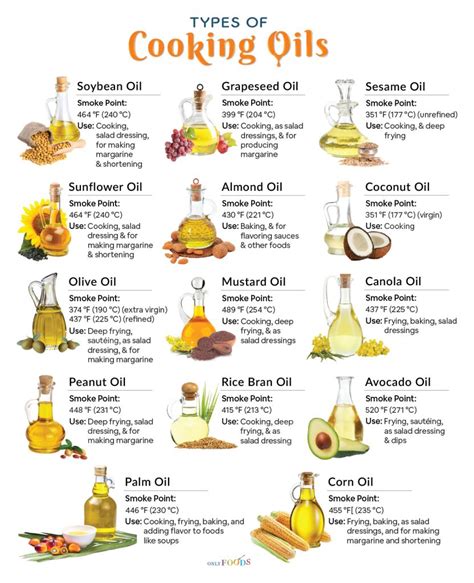
Not all oils are created equal, and their composition varies. Fatty esters, fatty acids, oleic fatty acids, and linoleic fatty acids are among the components found in oils. Some oils, like Castor oil, are considered "dry" oils, while others, such as Coconut oil, are more hydrating.
For individuals prone to breakouts, topical oil application can be complex. Opting for moisturizers based on Hyaluronic Acid or Aloe may be preferable. When considering products containing oils like Jojoba, Argan, Grapeseed, or Rosehips, it is advisable to perform a patch test for a few days to assess compatibility with your skin. Some formulations are designed to be compatible with human oils, while others are not.
It is important to note that topical oils can be beneficial for various skin types. For instance, Jojoba oil is structurally similar to sebum, making it an excellent choice for balancing oil production. Rosehip oil is rich in linoleic acid, which can help improve acne, while Tea Tree oil possesses antimicrobial properties that can combat acne-causing bacteria. Squalane, a stable form of squalene, is a lightweight, non-comedogenic oil that mimics the skin's natural lipids and can help lock in moisture without clogging pores.
Skin Glands Anatomy: Sweat Glands, Sebaceous Glands Integumentary System
When to Seek Professional Help
If you have been struggling with acne and have not seen improvement with home remedies, consulting a dermatologist or another healthcare professional, such as a GP or pharmacist, may be beneficial. They can provide personalized advice and treatment options.