As expectant parents prepare for a new arrival, stocking up on essential baby items like diapers and wipes is a common practice. However, with a variety of brands available, it can be challenging to determine which products will be gentle enough for a newborn's delicate skin, preventing issues such as diaper rash, eczema, or general skin irritation. It is often recommended that new parents experiment with different diaper and wipe varieties to identify what works best for their baby. Factors such as moisture-wicking capabilities of diapers and the presence of harsh chemicals like alcohol or fragrances in wipes can significantly impact skin health. Conversely, some wipes contain emollients that can form a protective film on the skin, alleviating itching and scaling.
It's important to note that a baby might experience an allergic reaction to ingredients intended to be beneficial, or they may transition seamlessly between different brands. Fortunately, most babies' skin is more resilient than often perceived. Therefore, instead of fixating on specific diaper brands, adopting best practices for keeping a baby's diaper area clean, dry, and comfortable is key to preventing and managing irritation.
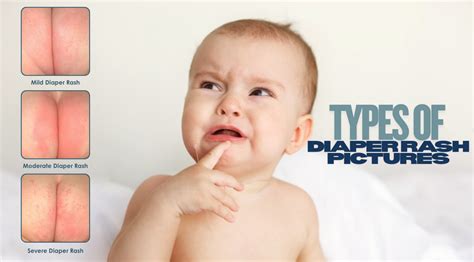
Diaper Rash Prevention Strategies
Newborn skin is naturally coated with vernix, a cheesy substance that acts as a natural waterproof barrier in utero and promotes skin health post-delivery. It is advisable for parents to gently rub this vernix into the baby's skin like lotion. Many hospitals now delay a baby's first bath to maximize the benefits of vernix and to help regulate the newborn's body temperature.
Once the vernix has worn off, adhering to specific best practices can maintain the health of the diaper area and prevent long-term irritation:
Gentle Cleansing and Products
- Opt for fragrance-free, dye-free soaps, wipes, and lotions. Products designed for sensitive skin typically exclude alcohols and other potential irritants. If these products prove effective, one can gradually introduce a single "fun" scented or moisture-locking product at a time to observe the baby's skin reaction.
Frequent Diaper Changes
There is no such thing as changing a baby too often. While new parents are often advised to track wet and dirty diapers, they may worry that frequent checking, wiping, and diaper changes in the initial month could lead to diaper rash. However, the longer stool and urine remain in contact with a baby's skin, the higher the likelihood of irritation. Promptly wiping away waste is beneficial, and changing diapers frequently will not harm the baby. Parents should pay attention to their baby's cues, such as fussing, crying, or a noticeably wet or dirty diaper, and change them as soon as they wake up or if they awaken during the night for feeding.
Generous Use of Barrier Creams
Diaper rash pastes, ointments, and creams, such as Aquaphor, Vaseline, or Boudreaux's Butt Paste, do not heal existing irritation but are crucial in preventing it. They create a protective barrier that prevents urine and stool from easily irritating the skin. It is recommended to apply a thick layer of barrier cream with each diaper change.

Identifying and Treating Diaper Area Irritation
Despite the best preventive measures, skin irritation in the diaper area can still occur, particularly after bouts of diarrhea. It is important not to feel guilty when this happens and to focus on keeping the baby comfortable.
Immediate Steps for Irritated Skin
- Avoid Harsh Products: If the baby's skin is red or broken, discontinue the use of alcohol-based or scented diapers and wipes, as their chemicals can exacerbate irritation.
- Gentle Cleaning: Instead, use water-based wipes or a warm, wet washcloth to clean the baby's bottom.
- Apply Barrier Cream: After cleaning, apply a generous amount of barrier cream and allow the skin to heal.
When to Seek Medical Advice
Contact a doctor immediately if the baby develops a sudden fever, has difficulty eating, or exhibits unusual fussiness or lethargy, as these could be signs of a serious infection. While most diaper-area skin irritation resolves on its own, moderate to severe symptoms may necessitate a medical consultation.
Baby Diaper Rash: Types, Symptoms, Prevention, and Treatment | Best Baby Cream for Newborn
Common Diaper Area Skin Conditions and Their Management
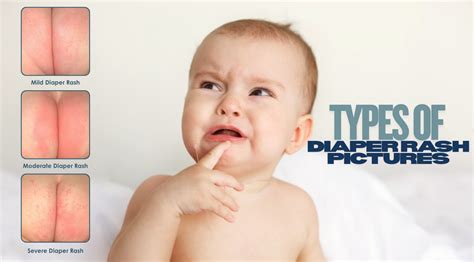
Diaper rash can manifest in various forms, ranging from dry, pink patches to angry red, raw areas that may open and bleed. Even if the baby does not appear distressed, applying a generous amount of barrier cream can help prevent the irritation from worsening.
Yeast Infections
Yeast infections are common in babies, especially during warmer months when increased sweating creates a moist environment conducive to fungal growth. Yeast fungi thrive in moist skin folds, such as the genital area, knees, elbows, mouth, and neck. Symptoms may include white discharge, scaly skin, dark purple or red raised patches, or red, pus-filled spots resembling pimples. A pediatrician should be consulted for an accurate diagnosis and likely prescription of a topical or oral antifungal medication.
Eczema and Diaper Dermatitis
These conditions can be triggered by excessive skin dryness, food or environmental allergens, irritating dyes or fragrances, or an overactive immune system. Affected skin will be itchy and raw, potentially developing a red rash or welts from scratching. Consulting a pediatrician is crucial for determining the best treatment, which might involve changing soap, diaper, or lotion formulations, or using antihistamine or steroidal medications, or topical ointments to soothe itching.
Allergic Reactions to Diapers
Irritation around the waist or thighs might indicate an allergy to components within the diaper itself. Trying a sensitive formulation and consulting a pediatrician about the need for a barrier ointment or covering for the healing skin is recommended.
If a baby's skin remains irritated despite frequent diaper changes, switching wipe or diaper brands, and consistent application of barrier cream, further medical advice from a pediatrician is warranted. The pediatrician may refer the family to a pediatric dermatologist or allergy specialist for managing challenging or chronic skin irritation.
Key Takeaways for Diaper Area Care
Ultimately, most babies do not require expensive or specialized diapering products to maintain healthy skin. Some infants are simply more sensitive to certain fragrances, dyes, and chemicals commonly found in diaper and wipe brands. Experiencing a rash when changing a baby's diaper can be a source of concern.
Diaper rash is a prevalent condition affecting babies and toddlers who wear diapers, characterized by redness and soreness (inflammation) in the skin covered by the diaper. Approximately half of all babies will experience diaper rash at least once, with the highest incidence typically occurring between 9 and 12 months of age. Diaper rashes can develop at any time, but they become more common as babies grow older and spend longer periods in diapers.
Diaper rash can arise from various factors, and there are different types. Contact diaper rash, also known as irritant diaper dermatitis, is the most common form. It develops when a wet or soiled diaper remains in contact with the baby's skin for an extended period. Some babies develop irritant diaper rash when they start consuming solid foods, as dietary changes can lead to more frequent bowel movements.
In some cases, a baby's diaper rash can worsen if it becomes infected by bacteria. When a baby's skin becomes irritated, it creates an entry point for bacterial infections. Bacteria are naturally present on our skin. Yeast (fungal) diaper rashes may occur when babies are taking antibiotic medication for illnesses or infections, or if the breastfeeding parent is taking antibiotics. Antibiotics can eliminate beneficial bacteria that help control the growth of a fungus called candida. An overgrowth of candida can lead to yeast diaper rash.
All types of diaper rash cause skin irritation. Parents may notice their baby becoming fussy or uncomfortable during diaper changes. Babies with contact diaper rash typically exhibit very pink or red skin in the areas that have been in contact with the diaper. Bacterial diaper rash presents different symptoms than contact diaper rash. Signs of bacterial infection may include bright red skin around the anus or scattered blisters or pustules within the diaper area. Yeast diaper rash symptoms can extend beyond the area covered by the diaper, often appearing as well-defined bright red patches in the skin folds of the baby's groin area.
It is crucial to begin diaper rash treatment at the first sign of skin irritation. Keeping the baby's skin clean and dry is paramount. Change the baby's diaper immediately after a bowel movement. For infants not yet eating solid foods, change diapers at every feeding. Use a gentle patting motion when cleaning, avoiding rubbing the skin. If the skin is severely irritated, a lukewarm bath can help clean the area. After cleaning, gently pat the baby's skin dry with a soft cloth. Apply an ointment (emollient) or cream containing zinc oxide to protect the skin. Certain creams and ointments function as a barrier, safeguarding the skin from moisture and preventing direct contact with urine or stool.
Dress the baby in an absorbent diaper that fits loosely. Ensure diapers are not so snug that they have direct contact with the baby's skin. This is particularly important overnight, as a wet diaper becomes increasingly moist throughout the night. Preventing diaper rash involves the same steps as treating it: maintaining cleanliness and dryness as much as possible and applying barrier creams. Allowing the baby some diaper-free time on a waterproof mat or sheet can also be beneficial. Cloth diapers, while an option, can sometimes be less absorbent and may trap moisture against the baby's skin. Some babies may exhibit an allergic reaction to specific fragrances in creams, diapers, or wipes; consider changing brands if skin irritation is noticed after using certain products. Always consult a pediatrician if you have any concerns or questions, as most diaper rashes are treatable at home.