The effectiveness of wrinkle creams hinges on their ingredients. Most wrinkle creams primarily work by moisturizing the skin, utilizing emollients to create a smooth feel and incorporating active ingredients for enhanced benefits. High-quality creams add water to the skin, which is then retained by occlusives like oil or petrolatum. This process plumps the skin, reducing dryness and the appearance of fine lines. Some moisturizers also contain humectants, such as glycerin, which draw moisture from the air to help the skin retain hydration. Beyond moisturizing, certain creams, notably those with retinol, also exfoliate dead skin cells and debris from the skin's surface. This exfoliation brightens the skin and improves its ability to absorb moisturizing ingredients. Retinol, a derivative of vitamin A, further aids in reducing fine lines and wrinkles by boosting collagen production.

Key Ingredients and Their Benefits
When selecting a wrinkle cream, it's essential to examine the ingredient list for beneficial active components. Here are some common ones and their functions:
Retinol
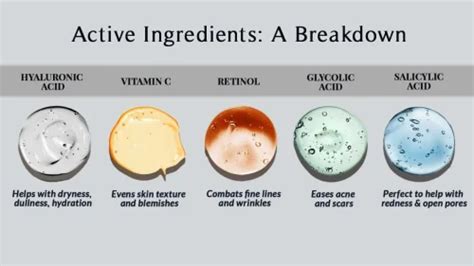
Retinol is the over-the-counter (OTC) form of retinoids. Retinoids, derivatives of vitamin A, are widely used to address signs of aging and acne. They accelerate skin cell turnover and stimulate the production of collagen and elastin, contributing to firmer, more youthful-looking skin.
Vitamin C
Rich in antioxidants, Vitamin C is considered a top ingredient for mature-looking skin. It promotes a smooth complexion and a radiant glow while protecting the skin from free radicals. Free radicals are unstable oxygen molecules that can damage skin cells, leading to wrinkles and collagen breakdown.
Alpha Hydroxy Acids (AHAs)
AHAs are a group of plant- and animal-derived acids, with seven common types used in skincare. They primarily function as gentle exfoliants but also offer benefits like promoting collagen and blood flow, brightening the skin, preventing acne, and reducing the appearance of scars and age spots.
Peptides
Peptides are amino acids that form specific proteins essential for the skin. Since collagen is composed of three polypeptide chains, increasing peptides can encourage the skin to produce more collagen, potentially leading to firmer, more youthful-looking skin.
Coenzyme Q10 (CoQ10)
CoQ10 is an antioxidant that offers numerous benefits, including reducing oxidative damage caused by UV rays, smoke, and pollution. It can also help diminish the depth of certain wrinkles.
Choosing the Right Wrinkle Cream for Your Skin Type
When reviewing ingredient lists, consider your specific skin type to make the best choice:
- Acne-prone skin: Look for creams with retinol, which can target both wrinkles and acne.
- Oily skin: Opt for lightweight, oil-free products. Retinoids are also beneficial as they can help manage oil and address fine lines and wrinkles.
- Dry skin: Choose wrinkle creams that offer enhanced hydration. Ensure they are non-comedogenic to prevent pore clogging.
- Rosacea: It's advisable to avoid retinol and high concentrations of Vitamin C, as they can potentially worsen rosacea or cause stinging. Products specifically formulated for rosacea or recommendations from a dermatologist are recommended.
Regardless of skin type, always look for products labeled noncomedogenic to prevent pore congestion, especially with heavy night creams.
Factors to Consider Before Purchasing
Beyond ingredients, several other factors influence the effectiveness and suitability of a wrinkle cream:
Time Constraints
Choose a product that fits your lifestyle. Overly complex skincare routines with numerous products can be challenging to maintain consistently.
Budget
The most expensive wrinkle creams are not always the most effective. A wide range of options is available to suit various budgets, ensuring good results are achievable without overspending.
Sellers
To avoid counterfeit products, check seller reviews. If in doubt, purchase directly from the manufacturer or consult a dermatologist.
Allergies and Sensitivities
For sensitive skin, select hypoallergenic or fragrance-free products.
How to Maximize the Benefits of Wrinkle Creams
Proper usage is key to achieving the best results from your wrinkle cream:
- Use Sunscreen: Wrinkle creams do not replace sunscreen. Always apply a broad-spectrum sunscreen (UVA/UVB) daily, as UVA rays contribute to premature skin aging.
- Follow Product Directions: Adhere to the manufacturer's instructions regarding application frequency (day, night, or twice daily).
- Determine Usage Amount: Experiment with the amount of cream. Too much can make the skin feel greasy, while too little may limit benefits. Start with a small amount and observe your skin's response.
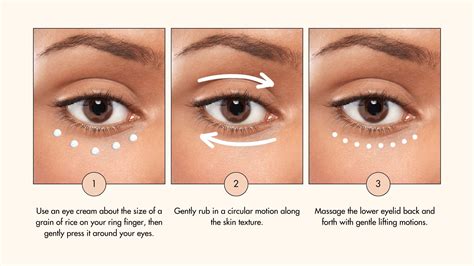
- Use Retinoids Sparingly: For retinoids, a pea-sized amount is sufficient for the entire face.
- Apply with Care: Be gentle, especially around the eye area, to avoid irritation.
- Proper Storage: Most creams can be stored in a medicine cabinet or on a shelf. For products like retinol and vitamin C, tinted or dark glass bottles are preferable to protect them from light, air, and heat, which can degrade their effectiveness. Airless pumps also help maintain product integrity.
- Check Expiration Dates: Do not use creams past their expiration date or if their scent has changed, indicating spoilage.
- Give it Time: Significant results from even the best wrinkle creams take time, often several weeks.
Preventing Wrinkles and Supporting Skin Health
While creams can help manage existing wrinkles, prevention is also crucial:
- Sun Protection: Year-round sun protection is vital. The sun's UV rays damage skin elasticity, accelerating photoaging and leading to wrinkles, leathery texture, dullness, discoloration, and thinning. Protecting your skin also reduces the risk of skin cancer.
- Lifestyle Choices: Quitting smoking and moderating alcohol intake significantly contribute to healthier skin and prevent premature aging.
- Nutrition and Exercise: A diet rich in nutrient-dense, whole foods, particularly fruits and vegetables, supports skin health. Regular exercise also plays a role in maintaining skin vitality.
- Consistent Moisturizing: Regularly moisturizing your skin, regardless of age, is essential.
- Cleansing: Daily cleansing removes makeup and debris, contributing to overall skin health.
For persistent skin irritation or severe conditions like acne, scarring, or other skin issues, consulting a dermatologist for potential prescription treatments is recommended.
Understanding Wrinkle Filler Creams
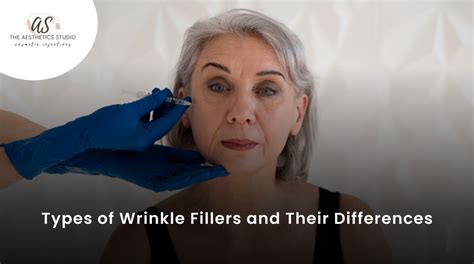
Wrinkle fillers, distinct from injectable fillers, are topical products designed to temporarily plump the skin and smooth the appearance of fine lines. They work by attracting and retaining water in the skin, creating a fuller, more refreshed look. Some formulas also incorporate retinoids to boost collagen production for longer-term benefits. It's important to note that topical treatments offer temporary results and cannot replicate the effects of in-office procedures like Botox or fillers.
Top Wrinkle Filler Products
- Best Overall: Alastin HA Immerse Serum (features hyaluronic acid, peptides, and silver mushroom extract for long-lasting hydration and plumping)
- Best for Deeper Wrinkles: SkinCeuticals P-Tiox (uses peptides, polyhydroxy acid, niacinamide, and laminaria extract to soften expression lines)
- Best for Dry Skin: SkinMedica HA5 Hydra Collagen Hydrator with Vegan Collagen (combines multiple forms of hyaluronic acid and vegan collagen for deep hydration and smoothing)
- Best for Early Signs of Aging: Medik8 Liquid Peptides Advanced MP Serum (contains a peptide complex, multi-weight hyaluronic acid, and growth factor mini-protein to address early expression lines)
- Best Retinol: Innisfree Retinol Green Tea PDRN Firming Serum (uses a triple retinol complex, green tea PDRN, and peptides for firming and smoothing)
- Fastest Acting: Isdin Instant Flash Firming and Lifting Serum Ampoules (features peptide Q10 and hyaluronic acid for an immediate lifting and plumping effect)
- Best for Sensitive Skin: Dr. Dennis Gross Skincare DermInfusions Fill + Repair Serum (formulated with four types of hyaluronic acid, ectoin, peptides, antioxidants, and niacinamide for plumping and barrier repair)
- Best Drugstore: Cetaphil Healthy Renew Purified Peptides Night Cream (uses purified peptides, niacinamide, and panthenol as a gentler alternative to retinol)
Frequently Asked Questions About Wrinkle Fillers
- Do wrinkle filler creams really work? Yes, they can plump the skin and temporarily smooth lines. However, they work at the surface level, unlike injectables that affect deeper layers.
- How long do wrinkle fillers last? Their effects are temporary, typically lasting from a few hours to a day. They offer immediate, needle-free, and more affordable results compared to injectables.
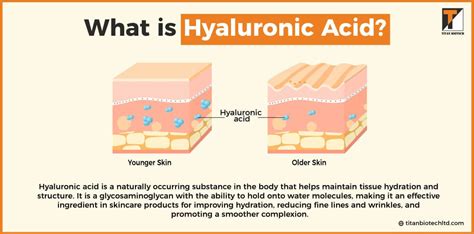
- What ingredients help "fill" wrinkles topically? Key ingredients include hyaluronic acid, which draws moisture to the skin for a plumper appearance. Other beneficial ingredients are retinol, AHAs, peptides, and CoQ10.
Specific Ingredients for Wrinkle Improvement
Several ingredients are known for their ability to improve the appearance of wrinkles:
- Hyaluronic Acid: Excellent for improving wrinkles, skin laxity, and firmness by attracting and retaining moisture.
- Retinol: A powerful ingredient that stimulates collagen production, leading to plumper, more youthful-looking skin. It's crucial to use it as directed, especially when starting, and avoid it during pregnancy or breastfeeding.
- Glycolic Acid: An AHA that exfoliates the skin, removing dead cells and renewing the outermost layer.
- Bakuchiol: A plant-derived alternative to retinol that hydrates, supports the skin barrier, and softens wrinkles. It is gentler and safe for use during pregnancy.
- Niacinamide (Vitamin B-3): Helps improve skin tone, calms the skin, and can reduce signs of aging.
- Peptides: Amino acids that support collagen production, leading to firmer skin.
- Antioxidants: Protect the skin from damage caused by free radicals, which contribute to aging.
- Tranexamic Acid: Improves skin tone and fades discoloration. Sunscreen is essential when using this ingredient.
- Azelaic Acid: A gentle ingredient that smooths rough skin and reduces discoloration and wrinkles.
Product Recommendations and Usage Tips
Various products offer targeted solutions for different concerns:
- SkinMedica Retinol Complex: Available in three strengths (0.25, 0.5, 1.0) for customized treatments. It combines retinol with antioxidants and magnolia bark extract to improve texture and minimize irritation.
- Neutrogena Rapid Repair Retinol Cream: A more affordable option with retinol and hyaluronic acid, suitable for twice-daily use with consistent sunscreen application. It may cause some pilling but offers good results for its price point.
- Dr. Dennis Gross Skincare Sensitive Skin Wrinkle Cream: Formulated with a gentle Phyto-Retinol Blend (retinol, bakuchiol, rambutan, ferulic acid) for sensitive skin, minimizing irritation while providing anti-aging benefits.
- RoC Retinol Correxion Line Smoothing Night Serum: Combines retinol and glycolic acid to fade dark spots and soften fine lines. It should only be used at night due to increased sun sensitivity.
- Olay Regenerist Micro-Sculpting Cream: A rich, hydrating cream with hyaluronic acid, shea butter, and niacinamide, suitable for normal to dry skin.
- Lancôme Rénergie Lift Makeup Broad Spectrum SPF 15 Day Cream: A lighter, whipped-textured cream with peptides, niacinamide, and hyaluronic acid, ideal for combination and oily skin. It is a more expensive option but offers refillable packaging.
- CeraVe Hydrating Mineral Sunscreen SPF 30 Face Lotion: While primarily a sunscreen, it contains encapsulated retinol, ceramides, and hyaluronic acid to smooth texture and hydrate. It may leave a white cast on darker skin tones.
Application Tips:
- Apply wrinkle cream to freshly washed skin, potentially slightly damp for better absorption.
- Massaging skincare products into the skin may enhance their effectiveness.
- Apply creams with an upward motion, being careful not to tug at the skin.
- Extend application to the neck and décolleté, as this thinner skin shows signs of aging more readily.
9 FACIAL MASSAGE techniques to stay young
When to Consult a Dermatologist
It is advisable to see a dermatologist if your skin becomes irritated or sensitized after using new wrinkle creams. Severe acne, scarring, or other persistent skin issues may require prescription treatments such as oral antibiotics, topical prescription retinoids, or birth control. A dermatologist can also perform extractions for deeper skin concerns and help you identify your skin type to build an effective skincare routine.
tags: #wrinkle #disappearing #cream