Experiencing a wider part or noticing thinning hair can be disheartening. Fortunately, the market offers a variety of hair-growth serums that can help make your strands appear fuller, denser, and more voluminous. These over-the-counter products can be a valuable addition to your hair care routine, often showing noticeable results within a few months of consistent use.
However, it's crucial to understand that serums are not a universal cure for hair loss. If you are experiencing active hair loss, it is highly recommended to consult a board-certified dermatologist. Underlying medical conditions, hormonal imbalances, or other factors might be contributing to the issue, and a dermatologist can provide an accurate diagnosis and appropriate treatment plan. Nevertheless, for those seeking to promote hair growth and enhance thickness, a wide array of effective hair-growth serums are available.
This guide delves into the key ingredients to look for in effective hair-growth serums, explains how they work, and offers recommendations for some of the best formulas on the market. We also address common questions about their efficacy and the timeline for seeing results.
Understanding How Hair Growth Serums Work
Hair growth serums primarily work by utilizing active ingredients that target the hair follicle and scalp health. Some key mechanisms include:
- Stimulating Blood Circulation: Ingredients like caffeine and minoxidil act as vasodilators, increasing blood flow to the scalp. This enhanced circulation delivers more nutrients and oxygen to the hair follicles, promoting a healthier environment for growth.
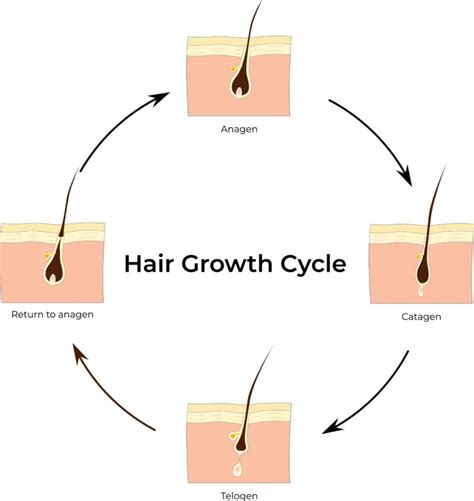
- Preventing Hair Follicle Shrinkage: Certain ingredients, particularly minoxidil, help prevent hair follicles from entering the dormant telogen phase prematurely. By extending the active growth phase (anagen), these serums encourage longer and thicker hair.
- Blocking Hormonal Influences: Hormones like dihydrotestosterone (DHT) can contribute to hair thinning, especially in cases of androgenetic alopecia. Some advanced serums contain hormonal antagonists that help block the effects of these hormones on the hair follicles.
- Nourishing the Scalp: Ingredients such as peptides, biotin, zinc, and various botanical extracts provide essential nutrients to the scalp, improving its overall health and creating an optimal environment for hair growth.
- Reducing Inflammation and Breakage: Antioxidants and anti-inflammatory compounds can protect the scalp from damage and reduce inflammation, while ingredients that strengthen the hair shaft help minimize breakage.
Key Ingredients to Look For in Hair Thickening Serums
When selecting a hair thickening serum, understanding the purpose of key ingredients can help you make an informed choice:
Medically Proven Ingredients:
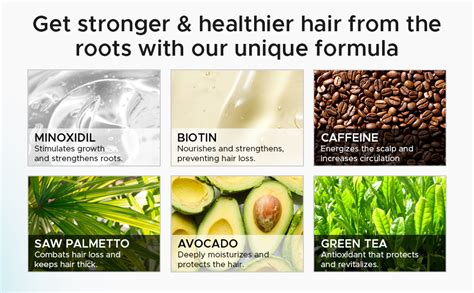
- Minoxidil: This is one of the two topical drugs (along with finasteride) approved by the FDA for treating hair loss. It works by preventing hair follicles from entering the resting phase, thereby promoting continuous growth. Concentrations can vary, with prescription strengths offering higher efficacy.
- Finasteride: While primarily FDA-approved for men, it can be a component in personalized formulations for women. It works by blocking the conversion of testosterone to DHT.
- Ketoconazole: An antifungal medication that can also have anti-androgenic properties, potentially helping with certain types of hair loss.
Botanical and Peptide-Based Ingredients:
- Peptides: These amino acid chains are known to moisturize the scalp, improve blood flow, support hair follicle growth, and reduce inflammation.
- Caffeine: A stimulant that increases scalp circulation, delivering vital nutrients and oxygen to hair follicles. It may also help block DHT.
- Biotin: Often referred to as Vitamin H, biotin is crucial for hair health. It helps strengthen the hair shaft and can improve hair density.
- Zinc: Essential for hair tissue growth and repair. It also has antibacterial properties and can help regulate sebum production, beneficial for dandruff-prone scalps.
- Rosemary Oil: Studies suggest it can be as effective as 2.5% minoxidil, offering an excellent natural alternative with minimal side effects. It possesses antioxidant and anti-inflammatory properties.
- Ashwagandha Exosomes: These are highly concentrated forms of ashwagandha that can penetrate deeply into the scalp to promote cell renewal and create an optimal environment for hair growth.
- Pea Sprout Extract: Known to support scalp health and reduce hair breakage.
- Maca Root: Believed to help stimulate keratin production and deliver stronger, healthier hair.
- Amla Extract: Traditionally used to promote hair growth.
- Ginkgo Biloba Extract: Can help stimulate blood flow to the scalp.
- Red Clover and Mung Bean: Plant-based ingredients that stimulate hair follicles, boost density, and reduce shedding.
- Turmeric: Possesses antioxidant and anti-inflammatory properties beneficial for scalp health.
- Ginseng and Ginger: These botanicals can contribute to scalp vitality and hair health.
- Soy Amino Acids: Help moisturize the scalp and support hair structure.
- Serine: An amino acid that acts as a humectant, helping to retain moisture in the scalp.
Supporting Ingredients:
- Aloe Vera: A well-known moisturizer with anti-inflammatory and skin-regenerating properties.
- Castor Oil: Often used for its moisturizing and potential hair-growth-promoting properties.
- Sunflower Oil: Helps with frizz control and scalp health.
- Jasmine Oil: Provides hydration and softness to the hair.
- Coconut Oil: A nourishing oil that can improve scalp health and hair strength.
- Argan Oil: Rich in vitamins and antioxidants, it moisturizes and protects hair.
- Jojoba Oil: Mimics the scalp's natural sebum, providing moisture.
- Clary Sage: Can help balance scalp oil production.
- Moringa Oil: Known for its nourishing and protective properties.
Formulation Aids and Preservatives:
- Propanediol: A natural humectant and solvent.
- Cellulose Gum: A thickening agent derived from plants.
- Polyvinylpyrrolidone (PVP) and Copolymer: Film-forming agents that can help style and hold hair.
- Phenoxyethanol, Ethylhexylglycerin, Potassium Sorbate, Sorbic Acid: Common preservatives used to maintain product integrity and prevent microbial growth.
- Fragrance: Added for scent, though sensitive individuals may prefer fragrance-free options.
Top Hair Thickening Serums and Their Benefits
Here are some highly recommended hair thickening serums, catering to various needs:
Best Overall: Curology Hair Formula Rx
This personalized formula, developed with a dermatologist, may include active ingredients like minoxidil, finasteride, or ketoconazole. It's delivered in a two-month supply and typically shows noticeable differences in three to six months. While minoxidil is FDA-approved for all genders, finasteride is specifically FDA-approved for men.
- Key ingredients: Varies, may include minoxidil, ketoconazole, or finasteride.
- Who it’s for: All hair types, with personalized formulas.
Best for Dandruff: Hers Hair Blends Serum
Containing a potent 7% minoxidil concentration, this serum is designed to promote hair regrowth and address common concerns like thinning hair and widening parts. It also includes hormonal antagonists like dutasteride and spironolactone to block hair-thinning androgens. Visible reduction in hair loss is often seen within three to six months, with regrowth starting in six to twelve months.
- Key ingredients: Varies, may include minoxidil, ketoconazole, dutasteride, and spironolactone.
- Who it’s for: Women experiencing hair loss.
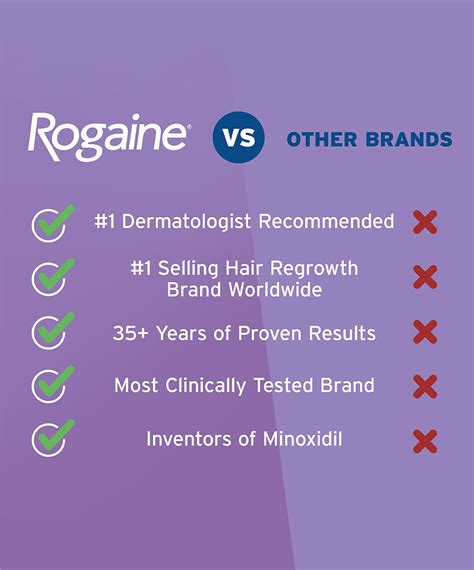
Best Over-the-Counter Minoxidil: Women’s Rogaine 2% Minoxidil Solution
A classic and accessible option, Women's Rogaine contains 2% minoxidil. It works by increasing blood flow to the scalp and hair follicles, helping to keep hair thick and strong. While it may work slightly slower than higher-strength options, it's an enduring choice for those seeking thicker hair. Minoxidil is a vasodilator that increases blood flow to the scalp, thereby increasing the caliber of hair follicles, which keeps hair thick and strong.
- Key ingredients: Minoxidil.
- Who it’s for: Women with thinning hair at the top of the scalp.
Best for Fine Hair: Nutrafol Hair Serum
Building on the brand's reputation for supplements, Nutrafol's Hair Serum supports visibly thicker and stronger hair. Key ingredients like ashwagandha exosomes, pea sprout extract, and maca promote scalp health and reduce breakage. The unique ashwagandha exosomes allow for deeper scalp penetration, fostering cell renewal and an optimal hair growth environment.
- Key ingredients: Ashwagandha exosomes, pea sprouts, Irish moss peptides.
- Who it’s for: Thinning hair.
Best Pre-Shampoo: Ranavat Fortifying Hair Serum
This serum blends jasmine oil for hydration, amla extract to promote growth, and sunflower oil for frizz control and scalp health. It helps hair appear glossy while protecting it from heat damage. The texture is noted for being easy to apply and wash out, and it can also be used as an overnight hair mask.
- Key ingredients: Alma extract, jasmine oil, sunflower oil.
- Who it’s for: Frizzy or damaged hair.
Best for Long Hair: Isdin Lambdapil Hair-Density Leave-In Lotion
Designed to promote hair growth and reduce thinning, this lotion nourishes the scalp and strengthens hair follicles. It features biotin, caffeine, and zinc to improve hair density and resilience without a greasy residue. Caffeine stimulates blood flow, while biotin and zinc reinforce hair structure.
- Key ingredients: Diaminopyrimidne oxide, ginkgo biloba extract, D-biotin.
- Who it’s for: Thinning, oily, or fine hair.
Best Budget: The Ordinary Multi-Peptide Treatment for Hair Density
This affordable serum focuses on peptides, caffeine, and zinc to strengthen hair at the roots, exfoliate the scalp, and improve circulation. It's particularly beneficial for those with dandruff-prone scalps due to its ability to reduce buildup and inflammation. The lightweight formula is designed as a leave-in treatment.
- Key ingredients: Peptides, caffeine, zinc.
- Who it’s for: Thinning hair, hair loss, dandruff.
Best for Sensitive Scalps: Vegamour GRO Hair Serum
Utilizing plant-based ingredients like red clover and mung bean, this serum stimulates hair follicles, boosts density, and reduces shedding. It is clean, lightweight, and safe for all scalp types, including sensitive ones. Clinical evidence supports its claims for thinning hair.
- Key ingredients: Turmeric, caffeine, mung bean, and red clover blend.
- Who it’s for: Thinning hair of all types and textures.
Best Spray-On Serum: Aveda Invati Ultra Advanced Revitalizing Scalp Serum
Composed of 94% naturally derived ingredients, this serum features the brand’s Follicle Vitality Complex, a blend of antioxidant-rich botanicals. Antioxidants protect the scalp from oxidative damage, crucial for long-term hair health. The spray bottle with an extended tip allows for easy application to targeted areas.
- Key ingredients: Ginseng-turmeric blend, organic amla, Follicle Vitality Complex.
- Who it’s for: Dry, thinning hair.
Frequently Asked Questions About Hair Growth Serums
What serum is best for hair growth?
A good hair growth serum should reduce shedding, increase hair diameter, prolong the growth phase, decrease scalp inflammation, and be gentle on the scalp. Ingredients like rosemary oil, amla oil, caffeine, green tea, and coconut oil are beneficial for improving hair strength and promoting growth. For conditions like androgenic alopecia, ingredients that block DHT, such as saw palmetto and zinc, are also recommended. Biotin and caffeine are also valuable for improving hair strength and stimulating growth.
Do hair-growth serums work?
Many hair-growth serums contain non-medicated ingredients, and their efficacy can vary. However, anecdotal evidence and some clinical studies suggest that serums with active ingredients like minoxidil, peptides, caffeine, and biotin can be effective, especially when used consistently as directed. Personalized formulations developed with dermatologists often yield the best results.
How long does it take to see growth?
The timeline for seeing results from hair growth serums can vary significantly depending on the individual, the specific ingredients, and the underlying cause of hair thinning. Generally, it takes about three to six months of consistent daily use to notice visible improvements in hair thickness and density. Some may see a reduction in shedding sooner, while significant regrowth can take six to twelve months or longer.
Do essential oils work for hair growth?
Certain essential oils, like rosemary oil, have shown promising results in studies, with some research suggesting they can be as effective as certain topical medications. When diluted with a carrier oil, essential oils can nourish the scalp, improve circulation, and possess anti-inflammatory properties that support hair growth. However, individual results may vary, and it's important to use them correctly to avoid irritation.
Understanding the Causes of Hair Loss
Hair loss can stem from various factors, including:
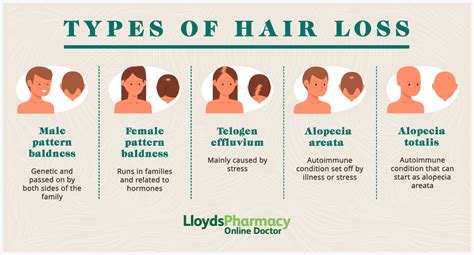
- Medical Conditions: Internal issues like low iron, anemia, thyroid imbalances (hypothyroidism or hyperthyroidism), hormonal changes (e.g., polycystic ovary syndrome), and autoimmune diseases (like lupus) can manifest as hair loss.
- Genetics: Androgenic alopecia, also known as female or male pattern baldness, is a common genetic condition that can lead to permanent hair loss if left untreated.
- Traction Alopecia: This type of hair loss results from prolonged or excessive tension on the hair follicles, often caused by tight hairstyles like braids, ponytails, or weaves.
- Medications and Treatments: Certain medications, chemotherapy, and radiation therapy can cause temporary or permanent hair loss.
- Stress: Significant physical or emotional stress can trigger temporary hair shedding known as telogen effluvium.
- Nutritional Deficiencies: Lack of essential vitamins and minerals, such as iron, zinc, and biotin, can impact hair health and growth.
The average person loses approximately 100 to 150 hairs per day as part of the natural hair cycle. If you notice a significant increase in shedding, it's advisable to consult a doctor to identify the specific cause.
How We Chose These Products
The selection of hair growth serums was based on recommendations from board-certified dermatologists, extensive reviews of scientific literature on hair growth ingredients, and the experiences of our editorial team. We prioritized products with clinically proven active ingredients, reputable brands, and positive user feedback regarding efficacy and user experience. Expert opinions and independent testing also played a crucial role in identifying the most effective formulas available.
Meet Our Experts
- Dr. Orit Markowitz, MD: A leading dermatologist and the CEO and founder of OptiSkin.
- Dr. Robert Finney, MD: A board-certified dermatologist specializing in hair loss and cosmetics.
- Maria Elizabeth: A hairstylist with over 20 years of experience and the founder of Salon DeZEN.
- Dr. Michelle Henry, MD: A board-certified dermatologist in New York City.
- Dr. Michele Green, MD: A board-certified dermatologist in New York City.
- Dr. Margarita Lolis, MD: A board-certified dermatologist and Mohs surgeon.
- Dr. Morgan Rabach, MD: A board-certified dermatologist in New York.
- Dr. Omer Ibrahim, MD: A board-certified dermatologist at Chicago Cosmetic Surgery and Dermatology.
- Dr. Corey L. Hartman, MD: A board-certified dermatologist at Skin Wellness Dermatology in Birmingham, Alabama.
- Dr. Kiran Mian, MD: A board-certified dermatologist at Hudson Dermatology and Laser Surgery in New York City.
- Dr. Cameron K. Rokhsar, MD: Founder and medical director of New York Cosmetic, Skin & Laser Surgery Center.
- Dr. Rae Lynne Kinler, MD: Medical director of Ziering Medical in Connecticut.
- Dr. Andrew Kwak, MD: Hair restoration surgeon, hair loss expert, and founder of The Lumen Center in Pennsylvania.
- Dr. Farah Moustafa, MD: Dermatologist and director of laser and cosmetics at Tufts Medical Center.
- Dr. Chesahna Kindred, MD: A board-certified dermatologist in Maryland.
tags: #thickening #hair #serum