Skin darkening, also known as hyperpigmentation, is a common concern that can affect people of all skin tones. While often associated with sun exposure, various factors can contribute to the appearance of darker patches or an overall darker complexion. Understanding these causes is crucial for effective management and treatment.
Common Causes of Skin Darkening
Several factors can lead to an increase in melanin production, resulting in darker skin.
Sun Exposure
The most prevalent cause of skin darkening is exposure to the sun's damaging ultraviolet (UV) rays. When the skin is exposed to UV radiation, it produces excess melanin, a pigment that gives skin its color, as a protective response. This can result in:
- Sunspots (Age Spots): Also known as solar lentigines, these are small, flat, dark spots that appear on areas frequently exposed to the sun, such as the face, hands, and shoulders.
- Hyperpigmentation: This refers to patches of skin that become darker than the surrounding skin.
- Tanning: The general darkening of the skin after sun exposure is a sign that the skin is being damaged by UV rays. This is a temporary change, unlike natural skin color, and indicates that UVR is penetrating the skin.
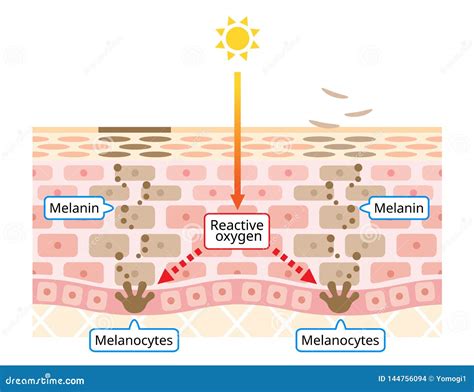
Inflammation and Skin Conditions
Inflammation of the skin, often stemming from conditions like acne, eczema, or psoriasis, can also trigger an increase in melanin production. This post-inflammatory hyperpigmentation (PIH) can leave behind dark marks even after the initial skin issue has resolved.
Aging
As individuals age, the skin's natural ability to regulate melanin production can diminish. This can lead to an accumulation of pigment and an increased likelihood of developing hyperpigmentation.
Lifestyle Habits
Certain lifestyle choices can contribute to skin darkening by exacerbating inflammation and oxidative stress:
- Smoking: Can negatively impact skin health and contribute to discoloration.
- Poor Diet: A lack of essential nutrients can affect skin's ability to repair itself and maintain an even tone.
- Inconsistent Skincare: Neglecting a proper skincare routine can allow factors contributing to hyperpigmentation to accumulate.
Acanthosis Nigricans
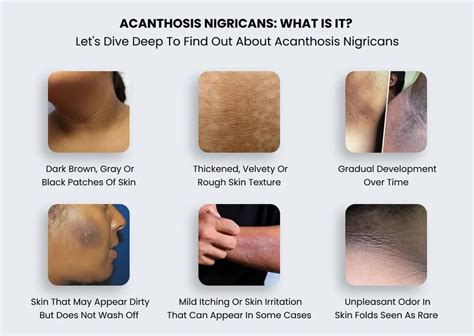
Acanthosis nigricans is a distinct skin condition characterized by dark, thick, velvety patches in body folds and creases. It commonly affects areas such as the armpits, groin, and neck. While it can appear in anyone, it is more prevalent in individuals with:
- Obesity: This is the most common underlying cause.
- Insulin Resistance and Type 2 Diabetes: Acanthosis nigricans is often associated with insulin resistance, a condition where the body's cells don't respond effectively to insulin, which can lead to type 2 diabetes.
- Hormonal Imbalances: Conditions like Cushing's syndrome, polycystic ovary syndrome (PCOS), or an underactive thyroid can also be linked.
- Certain Medications: Some drugs, including steroids and hormone treatments like the contraceptive pill, can trigger the condition.
- Rarely, Cancer: In some uncommon cases, acanthosis nigricans can be a symptom of certain cancers, particularly stomach cancer.
- Genetics: Rarely, a faulty gene inherited from parents can be the cause.
The affected skin might also become itchy, develop an odor, or lead to the formation of skin tags. If changes in skin pigmentation are sudden or concerning, it is important to consult a healthcare provider, as it may indicate an underlying health condition that requires treatment.
Skin of Color and Skin Cancer Risk
It is a dangerous myth that individuals with darker natural skin tones are not at risk for skin cancer. While Caucasians generally have a higher risk, people of all races can develop skin cancer. Melanin, the pigment that gives skin its color, offers some protection against UV radiation, but it does not provide complete immunity. People with darker skin are often diagnosed at later stages, when the disease may be more advanced, partly due to the misconception that they are not at risk.
Melanoma in Skin of Color
While UV exposure is a major factor in melanoma for Caucasians, the primary cause in individuals with darker skin is often unclear. In people of African descent, Asians, Native Americans, and Hawaiians, melanomas are more likely to appear in less sun-exposed areas such as the:
- Mouth
- Palms of the hands
- Soles of the feet
- Under the nails
This type of melanoma, known as Acral Lentiginous Melanoma (ALM), does not typically seem to be related to sun exposure. Therefore, regular skin self-examinations are vital for everyone to detect new or changing spots that could indicate skin cancer.
Managing and Treating Skin Darkening
Addressing skin darkening often involves a multi-faceted approach, depending on the underlying cause.
Daily Skincare Routine
A consistent skincare routine can help maintain a more even skin tone. Incorporating products with the following ingredients can be beneficial:
- Exfoliants (AHA/BHA): Help to remove dead skin cells, revealing brighter skin underneath.
- Antioxidants: Protect the skin from environmental damage and can help reduce inflammation.
- Brightening Agents: Ingredients like vitamin C, niacinamide, or certain botanical extracts can help to lighten dark spots over time.
Professional Skin Treatments
For more persistent or significant hyperpigmentation, professional treatments can be highly effective:
- Chemical Peels: These treatments use acids to exfoliate the skin and improve the appearance of dark spots.
- Laser Therapy: Various laser treatments can target melanin in the skin to break down dark pigment.
It is important to consult with a dermatologist or skincare professional to determine the most appropriate treatment plan for individual needs.