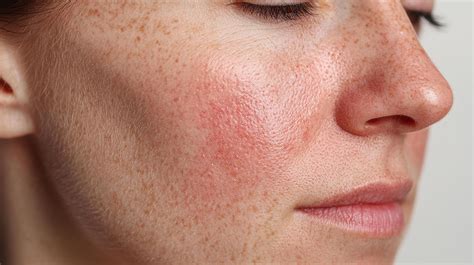
Intense Pulsed Light (IPL) therapy, also known as a photo facial, is a non-surgical method to improve the color and texture of your skin. It can address visible damage caused by sun exposure, often referred to as photoaging, and is particularly beneficial for conditions like rosacea that cause redness and visible blood vessels on the face, neck, hands, or chest.
Understanding IPL Therapy
IPL therapy utilizes light energy to target specific colors within the skin. When the skin is heated by the light, the body naturally eliminates unwanted cells, thereby resolving the targeted issue. This approach can simultaneously treat a range of skin conditions, leading to a more even skin tone and a more youthful appearance with minimal downtime, as the light does not harm surrounding tissues.
IPL vs. Laser Treatments
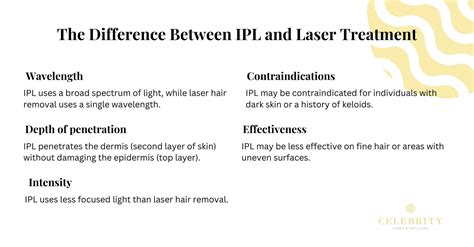
Both IPL and laser treatments are effective for various skin concerns, but they differ significantly. IPL therapy is generally gentler on the skin and typically requires more sessions to achieve results comparable to laser therapy. Laser treatment, while more intense with a longer recovery period, can yield more noticeable results in fewer procedures. A key distinction is that an IPL device emits multiple wavelengths of pulsating light, allowing it to address a variety of skin conditions concurrently. Lasers, conversely, emit a single wavelength of light in a concentrated beam. The choice between IPL and laser depends on individual needs, and a dermatologist can best determine the optimal treatment.
How IPL Works
IPL technology employs broad-spectrum light, carefully filtered and delivered to the skin. This light is absorbed by specific chromophores, such as melanin and hemoglobin, within the tissue. The absorbed light energy converts to heat, which then targets and breaks down discoloration, reduces inflammation, and stimulates collagen production. This process addresses issues like redness, brown spots, and visible blood vessels.
Conditions Treated by IPL
IPL therapy is effective for a wide array of skin concerns, including:
- Acne
- Birthmarks
- Stretch marks
- Liver or age spots
- Broken blood vessels
- Brown spots
- Dark spots from hormonal changes
- Discolored skin
- Fine wrinkles
- Freckles
- Redness from rosacea
- Scars
- Spider veins
- Unwanted hair
Who is a Good Candidate for IPL?
IPL works best for individuals with pale or light brown skin. It is crucial to consult with a board-certified dermatologist, often identified by the FAAD credential (Fellow of the American Academy of Dermatology), or a skilled nurse or physician assistant experienced in IPL therapy.
When to Talk to Your Doctor Before IPL
You should discuss IPL treatment with your doctor if you:
- Are pregnant
- Have an existing skin condition
- Have a sunburn
- Are taking medications such as blood thinners or isotretinoin (Accutane)
When IPL May Not Be Recommended
IPL therapy may not be suitable if you:
- Are sensitive to light
- Have recently tanned your skin (sun, tanning beds, or tanning creams)
- Have a suspected skin cancer
- Are using a retinoid cream
- Have very dark skin
- Have a skin resurfacing disorder
- Have severe scarring or keloid scar tissue
Preparation and What to Expect During Treatment
On the day of your appointment, avoid using perfume, makeup, and scented products that could irritate your skin. Before the procedure, a technician or dermatologist will apply a cooling gel to your clean skin. You will wear protective eyewear to shield your eyes from the bright light emitted by the handheld IPL device. A typical session lasts 20-30 minutes, though larger areas may require an hour or more. While most people tolerate the light pulses well, some may experience a mild stinging sensation, often described as a rubber band snapping against the skin. A numbing cream can be applied 30-60 minutes prior to treatment if needed.
Lumecca IPL for Skin Rejuvenation - How It Works
Aftercare and Recovery
Following IPL treatment, you may experience a sunburn-like sensation for 4-6 hours. Cold packs or a cool washcloth can provide relief. Your skin might appear red or bruised for a day or two. Some brown spots may darken before peeling off within a few weeks. During healing:
- Avoid makeup if your skin is sensitive.
- Use a moisturizing lotion.
- Apply sunscreen diligently, reapplying every 2 hours, even on cloudy days.
- Wash your face with a cleanser designed for sensitive skin.
Your dermatologist will advise when you can safely resume your regular skincare routine, which may take about a week.
Effectiveness of IPL for Various Conditions
The efficacy of IPL treatment can vary depending on the specific concern being addressed:
Rosacea and Redness
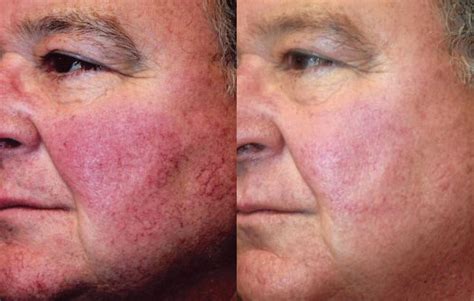
For rosacea, IPL can be a good alternative to laser therapy, particularly if you are under 40 and have moderate to severe symptoms. After one to three treatments, IPL can eliminate 50%-75% of broken blood vessels associated with rosacea, significantly reducing overall facial redness. While treated veins do not reappear, new ones may develop over time. IPL treatment for rosacea can also improve skin tone by reducing redness and discoloration, inhibiting recurring flare-ups.
Sun Damage
IPL treatments can lead to a notable reduction, around 70%, in brown spots and redness caused by UV exposure. It effectively breaks down excess melanin, fading sun spots and uneven pigmentation.
Acne
IPL can help manage acne by eradicating surface bacteria and reducing inflammation and redness. It also stimulates collagen, improving skin texture and diminishing acne scars over time. Over 90% of individuals report positive results, though multiple sessions may be required.
Hair Removal
IPL is most beneficial for individuals with light skin and dark hair. It may be less effective for those with dark skin or blond hair.
Dry Eyes
While typically managed with eye drops and lifestyle changes, IPL may offer relief for dry eyes when other therapies are unsuccessful, potentially reducing symptoms by 25%-50% or more.
Potential Side Effects
While IPL is generally safe when performed by a trained technician, potential side effects can occur:
- Scarring
- Pain or discomfort
- Swelling
- Bleeding
- Infection
- Changes in skin color
- Crusting
- Blistering
Hormonal brown spots might temporarily flare up. If you experience significant discomfort or worsening symptoms after treatment, consult your dermatologist. Side effects of IPL hair removal, though usually short-term, can include skin sensitivity, mild pain, and temporary discoloration. Less commonly, infection, blistering, or scarring may occur, especially in individuals with sensitive skin.
IPL and Cancer Risk
Extensive research indicates that IPL therapy is safe and does not increase the risk of cancer. It has been used for over 30 years without raising concerns about oncological risks.
Number of Sessions and Longevity of Results
Most individuals require between three and seven IPL sessions, spaced two to four weeks apart, depending on the condition being treated. Visible improvements are often noticeable after the first one to two sessions. It may take several weeks to see the full effects. While skin improvements can last from 6 months to 1 year, maintenance treatments once or twice a year may be necessary to sustain results. The longevity of results depends significantly on diligent sun protection practices.
Cost of IPL Treatment
IPL therapy is considered a cosmetic procedure and is typically not covered by insurance. The average cost per session can range from $300 to $600. Dermatology clinics may offer payment plans or discounts for purchasing multiple sessions.
Ocular Rosacea and IPL
Ocular rosacea, a subtype of rosacea affecting the eyes and eyelids, can be challenging to manage. While conditions like blepharitis and meibomian gland dysfunction (MGD) share similarities, they are distinct. IPL therapy, when applied to the skin around the eye, utilizes filtered broad-spectrum light absorbed by specific pigments. This absorbed light energy, converted to heat, can reduce inflammation, alleviating symptoms such as redness, swelling, and discomfort. IPL therapy for ocular rosacea is usually performed in a series of sessions, with 2-4 weeks between each.
Other Treatment Options
In addition to IPL, other treatments may address skin spots, fine lines, and redness:
- Microdermabrasion: Gently exfoliates the top layer of skin using fine crystals.
- Chemical Peels: Uses chemical solutions to remove the outer layer of skin.
- Laser Resurfacing: Removes damaged outer skin layers to promote collagen and new cell growth, using a single concentrated wavelength of light.
- Fraxel Laser Treatment: Similar to laser resurfacing but without removing the top skin layer, improving fine lines, texture, tone, scarring, and dark spots with less recovery time.
At-Home IPL Devices
While professional IPL treatments are typically administered by a doctor, at-home IPL devices are available for hair removal. These handheld devices are considered safe and effective but require more sessions to achieve desired results. They use less intense light for safety and are applied directly to the skin, with flashes of light over the treatment areas one to three times weekly.
Conclusion on IPL for Rosacea
Intense Pulsed Light (IPL) treatment can be an effective method for managing rosacea by reducing redness, broken blood vessels, and inflammation. While it offers significant cosmetic improvements, it is essential to consult with a qualified dermatologist to determine if IPL is the right option for your specific skin concerns and to ensure safe and optimal outcomes. The National Rosacea Society emphasizes that information provided should not be considered medical advice and professional consultation is paramount.