Seborrheic dermatitis is a prevalent skin condition characterized by flaky, white or yellowish scales, often accompanied by redness and itching. While it primarily affects the scalp, it can also manifest on the face, chest, and other oily areas of the body. The exact causes are not fully understood, but contributing factors often include genetics, hormonal changes, stress, and an overgrowth of a yeast called Malassezia. Although conventional treatments can offer relief, they may also present side effects. Homeopathy, on the other hand, proposes a safe, natural, and potentially long-term solution by addressing the root cause of the condition rather than merely managing symptoms.
Understanding Seborrheic Dermatitis
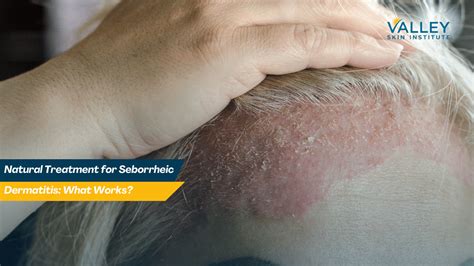
Seborrheic dermatitis is a chronic inflammatory skin disease affecting areas rich in oil-producing sebaceous glands. It commonly affects the scalp but can also extend to the face and upper body. Some individuals consider dandruff to be a milder form of seborrheic dermatitis. While the condition may resolve on its own in some cases, it can also be chronic, characterized by recurring flare-ups. Treatment aims to alleviate symptoms such as itching and reduce scale buildup, though it may require multiple attempts to clear the rash.
Causes and Triggers
The causes of seborrheic dermatitis can differ between infants and adults and may have a genetic component, meaning it can run in families. Hormonal imbalances are also implicated as a potential cause. The condition may also be directly or indirectly related to a fungal infection caused by Malassezia, a yeast naturally present on the skin in small numbers. Neurologic disorders, including Parkinson’s disease, epilepsy, traumatic brain injury, and stroke, have also been linked to seborrheic dermatitis, though the exact mechanism remains unclear. While genetic predisposition cannot be prevented, other causes and triggers can potentially be managed to reduce symptom severity. Careful skincare and controlling risk factors are crucial.
Common triggers for seborrheic dermatitis flare-ups include:
- Stress: A known trigger that can aggravate symptoms.
- Hormonal Changes: Fluctuations in hormones can influence the condition.
- Genetics: A predisposition can be inherited.
- Overgrowth of Malassezia Yeast: This fungus, normally present on the skin, can contribute to the condition.
- Cold, Dry Weather: Symptoms tend to worsen during these conditions.
- Certain Medical Conditions: Including chronic acne, alcoholism, depression, eating disorders, psoriasis, and rosacea.
- Diet: While not a direct cause, certain dietary factors can influence the immune system and inflammation.
Symptoms of Seborrheic Dermatitis
Symptoms of seborrheic dermatitis can vary but commonly include:
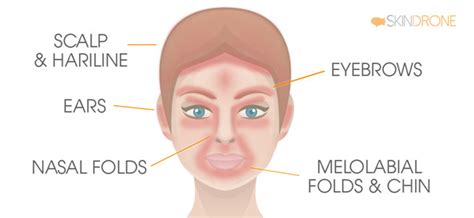
- Dandruff, or flaking skin on the scalp, hair, beard, mustache, or eyebrows.
- Greasy skin patches on the scalp, face, nose, eyelids, ears, chest, armpits, groin, and under the breasts.
- Red, inflamed skin.
- Itchy skin.
In babies, seborrheic dermatitis is known as cradle cap and typically causes scaly patches on the scalp that may be greasy or crusty. While generally not harmful, cradle cap may go away on its own within a few months. In infants, SD can also appear in the diaper area, often mistaken for diaper rash, and in rare cases, may cover the entire body with red, scaly, inflamed skin. However, seborrheic dermatitis in infants tends to disappear permanently before the age of one.
The term "dandruff" is often used when symptoms are mild and confined to the scalp. Dandruff is a skin exfoliation condition causing white and yellow, flaky, dry scales on the scalp. While not a health threat, it can lead to self-consciousness.
Conventional Treatments
Conventional treatments for seborrheic dermatitis primarily focus on managing symptoms and clearing the rash. These can include:
Medicated Shampoos
Over-the-counter and prescription anti-dandruff shampoos often contain active ingredients such as ketoconazole, selenium, coal tar, zinc pyrithione, or salicylic acid. These can be purchased at a pharmacy, and in some cases, a doctor may prescribe them. Medicated shampoos can be used daily or several times a week, depending on the severity of symptoms. It is often recommended to leave the shampoo on the scalp for a few minutes to allow the ingredients to work. After symptoms improve, usage can be reduced to once a week or every two weeks to prevent relapse. Alternating between different types of medicated shampoos may also be beneficial if one loses effectiveness over time.
Topical Corticosteroids
For cases with severe inflammation, itching, and flaking, corticosteroid gels or lotions may be recommended. These prescription-strength treatments, such as hydrocortisone, fluocinolone, clobetasol, and desonide, are effective in reducing inflammation but are typically intended for short-term use to avoid potential side effects like skin thinning. Your doctor may prescribe a corticosteroid cream to alleviate inflammation alongside other treatments.
Antifungal Treatments
A doctor may prescribe an antifungal cream containing ketoconazole or another antifungal agent. It can take up to four weeks of consistent daily use for symptoms to improve. Antibacterial gels or antifungal creams can also be helpful, especially if a fungal or bacterial infection is contributing to the condition.
Topical Calcineurin Inhibitors
Medications like tacrolimus ointment and pimecrolimus cream are topical calcineurin inhibitors that may be effective. While they generally have fewer side effects than corticosteroids, they are not always considered first-choice treatments due to potential concerns raised by regulatory bodies.
Other Conventional Therapies
In some instances, light therapy, which involves exposing affected skin to ultraviolet light, may be used to soothe the skin and reduce symptoms. Coal tar creams can help slow the rate of skin cell turnover. For severe inflammation, itching, and flaking, corticosteroid gels or lotions are recommended. If seborrheic dermatitis leads to excessive inflammation, itching, and scaling, your GP may prescribe antifungal creams or corticosteroid creams.
Homeopathic Approaches to Seborrheic Dermatitis
Homeopathy offers a holistic approach to managing seborrheic dermatitis, aiming to treat the root cause and restore balance to the scalp's health and oil production for long-term relief. While conventional medicine may offer temporary symptom relief, homeopathy seeks to address underlying predispositions.
Key Homeopathic Remedies and Their Indications
Several homeopathic remedies are suggested for seborrheic dermatitis, each tailored to specific symptoms:
- Kali Sulphuricum: This remedy is considered highly beneficial for cases presenting with prominent yellow, sticky flakes on the scalp, accompanied by a clammy scalp and itching.
- Thuja Occidentalis: Indicated for seborrheic dermatitis with white scales on the scalp. In such instances, the hair may be dry, and split ends or hair loss might be observed.
- Graphites Naturalis: An effective remedy when flakes on the scalp are accompanied by intense itching. The scales may diminish after washing but reappear. A fetid odor from the scalp and moistness can also be present, along with dulling or hair loss.
- Natrum Muriaticum: This remedy is most suited for seborrheic dermatitis characterized by an oily, greasy scalp with redness and flaking. The scalp is covered with white dandruff, and a burning sensation may be felt. The face might also appear greasy and red.
- Phosphorus: This remedy is particularly useful when seborrheic dermatitis involves flakiness accompanied by excessive hair fall. Hair may fall out in clumps, potentially leading to bald spots, and can be associated with a burning sensation on the scalp and occasional moist sweat.
A small, double-blind, placebo-controlled study indicated that the oral use of a low-dilution homeopathic remedy containing potassium bromide, sodium bromide, nickel sulfate, and sodium chloride significantly improved seborrheic dermatitis symptoms, including dandruff. Patients in the medication group showed greater improvement compared to the placebo group, and even those initially on placebo experienced significant improvement after switching to the active medication. Mild gastrointestinal distress was the most frequent adverse event reported.
Natural Remedies and Lifestyle Adjustments
In addition to homeopathic treatments, several natural remedies and lifestyle adjustments can help manage seborrheic dermatitis symptoms. It is important to note that while these remedies may offer relief, individual responses can vary, and consulting a healthcare professional is always recommended.
Dietary Considerations
While seborrheic dermatitis is not directly caused by diet, certain foods can help strengthen the immune system and reduce inflammation. This includes incorporating foods rich in:
- Omega-3 Fatty Acids: Found in fish oil supplements, these help reduce inflammation and improve skin health.
- Antioxidants: Abundant in leafy green vegetables, tomatoes, and berries.
- Vitamins and Minerals: Ensuring adequate intake of vitamins A, C, D, E, B vitamins, zinc, copper, iron, manganese, and magnesium is beneficial.
A balanced diet that includes plenty of fruits, vegetables, and nutrient-rich oils is advisable.
Herbal and Plant-Based Remedies
- Tea Tree Oil: Possesses antibacterial, antifungal, and anti-inflammatory properties that can combat scalp infections and reduce itchiness. Shampoos containing 5% tea tree oil have shown efficacy in reducing dandruff symptoms. However, it should be diluted with a carrier oil (like coconut or olive oil) before topical application, and a patch test is recommended due to potential irritation.
- Aloe Vera: Known for its soothing and anti-inflammatory properties, aloe vera can hydrate the skin, reduce inflammation, and aid in healing. Studies suggest that aloe vera gel or ointment can significantly improve symptoms like scaliness and itching.
- Coconut Oil: A natural moisturizer that can soothe an itchy scalp and help combat fungal overgrowth.
- Apple Cider Vinegar: May help restore the scalp's pH balance, potentially reducing flakiness and itchiness. It is often used as a soak to loosen scales.
Other proposed natural treatments include probiotics, which may support gut and skin health, and essential oils like evening primrose oil, borage oil, and black currant seed oil, which may help reduce itching and redness when diluted and applied topically.
Seborrheic Dermatitis Home Remedies That Actually Work
Stress Management and Self-Care
Given that stress is a significant trigger for seborrheic dermatitis flare-ups, implementing stress-management techniques is crucial. This can include mindfulness, meditation, yoga, or engaging in hobbies. Gentle scalp massage can also be beneficial. Regular washing of affected areas with a mild cleanser, avoiding harsh hair styling products and those containing alcohol, and wearing soft, breathable fabrics can further help manage the condition.
Nutritional Supplements
Certain nutritional supplements may also play a role in managing seborrheic dermatitis. Fish oil supplements, rich in omega-3 fatty acids, are known for their anti-inflammatory effects and can help reduce skin dryness and flaking. Research suggests that deficiencies or imbalances in certain micronutrients like copper, manganese, iron, calcium, magnesium, zinc, vitamin D, and vitamin E may be associated with seborrheic dermatitis. Therefore, ensuring adequate intake through diet or supplements, under professional guidance, can be beneficial.
tags: #homeopathic #remedies #for #seborrheic #dermatitis