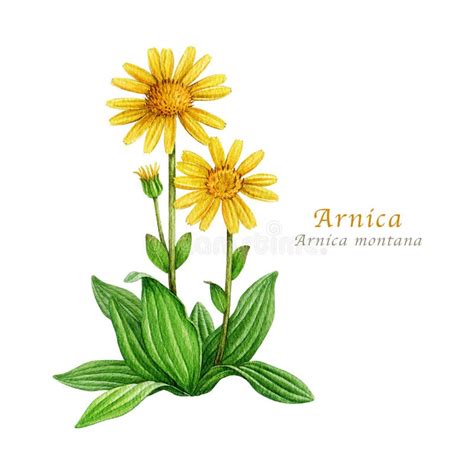
Arnica is an herb derived from the Arnica montana plant, characterized by its distinctive yellow-orange flowers that bloom in the mountainous regions of Europe and Siberia. As a member of the sunflower family, its prominent, large yellow flower heads are easily recognizable. This potent plant is transformed into an oil, serving as a key active ingredient in a variety of skincare formulations, including creams, gels, and lotions. While widely acknowledged for its medicinal applications, arnica also offers a wealth of benefits for the skin.
Understanding Arnica Oil: Origin and Composition
The Arnica herbal oil has a long-standing history in traditional medicine, celebrated for its remarkable healing properties. It is particularly valued in homeopathic arnica therapy for topical applications, such as in arnica massage oil. Arnica oil is rich in active compounds like helenalin, flavonoids, and sesquiterpene lactones. These components are responsible for its significant anti-inflammatory, analgesic, and antimicrobial effects. Consequently, arnica oil is highly regarded for its ability to alleviate skin inflammation, support various health conditions, reduce muscle pain and swelling associated with bruises and soreness, ease joint pain, promote wound healing, and combat certain bacterial and fungal infections.
Arnica is accessible in various forms, catering to its diverse applications. It is commonly found in tincture form, which serves as a versatile base for creating compresses and poultices, thereby enhancing its therapeutic potential. Arnica oil, recognized for its beneficial properties, is also incorporated into topical preparations to address specific skin concerns. Furthermore, arnica's therapeutic reach extends to homeopathic remedies, available in pill, topical, and injectable formats, offering individuals alternative and holistic healing options for various health conditions.
Key Benefits of Arnica Oil for Skin
1. Anti-inflammatory Powerhouse
Arnica Essential Oil is renowned for its potent anti-inflammatory properties, making it an excellent choice for addressing skin inflammation and irritation. The oil contains several active compounds, including helenalin, which can help reduce redness, swelling, and pain associated with skin conditions such as acne, eczema, and psoriasis. Its ability to calm inflammation at the site of insect bites, for instance, leads to less scratching and discomfort.

2. Accelerated Wound Healing and Scar Reduction
The healing properties of Arnica Essential Oil extend beyond inflammation, possessing significant power to accelerate wound healing. It has a unique ability to speed up the recovery process while minimizing the appearance of scars, making it a valuable ally in skincare. Arnica oil works by stimulating the flow of white blood cells to the affected area, thereby enhancing the body's natural healing mechanisms.
3. Pain Relief and Muscle Soreness Alleviation
Arnica Essential Oil's analgesic properties make it highly effective in alleviating pain associated with bruises, sore muscles, and general soreness. When applied topically, the oil can penetrate deep into the skin, targeting underlying tissues to provide relief and comfort. This makes it a popular ingredient in massage oils and post-workout recovery products.
Weleda Arnica Muscle Massage Oil
4. Antimicrobial Action
Maintaining healthy skin involves combating harmful bacteria and fungi that can lead to various skin infections. Arnica Essential Oil's antimicrobial properties make it an effective agent against certain bacterial and fungal strains, contributing to clearer and healthier skin.
5. Antioxidant Protection and Anti-Aging Effects
As skin ages, it undergoes changes such as decreased collagen production and increased oxidative stress, leading to wrinkles and fine lines. Arnica Essential Oil's antioxidant content, including flavonoids and sesquiterpene lactones, helps neutralize free radicals, reducing oxidative damage and preventing premature aging. These compounds also help safeguard the skin against collagen and elastin breakdown caused by UV exposure and inhibit tyrosinase, an enzyme responsible for melanin production, potentially helping with dullness or dark spots.
6. Improved Blood Circulation
Proper blood circulation is vital for healthy skin, ensuring the efficient delivery of oxygen and nutrients to skin cells. Arnica Essential Oil acts as a vasodilator, widening blood vessels and improving blood flow to the skin's surface. This enhanced circulation contributes to a more radiant and healthy complexion.
7. Suitability for Sensitive Skin
Sensitive skin requires careful attention, as many skincare products can cause irritation. Arnica Essential Oil is generally well-tolerated and suitable for most skin types, including sensitive skin. Its natural origin makes it less likely to cause adverse reactions compared to synthetic ingredients.
Incorporating Arnica Oil into Your Skincare Routine
Arnica oil can be integrated into a skincare routine in several ways. It can be added as a few drops to your regular shampoo or mixed with another oil to create a nourishing hair mask. For a deeply relaxing and therapeutic experience, consider using bath salts enriched with Arnica Essential Oil, designed to soothe tired muscles and ease tension. Products like Shankara's Muscle Relief Bath Salt leverage the oil's anti-inflammatory properties for post-workout recovery or general relaxation.
North American Indigenous peoples have historically relied on arnica for its soothing effects on bruises and muscle soreness. Today, this skin-nourishing extract is a key ingredient in formulations like Alpine Phytonutrient Serum. Arnica supports cellular renewal and tissue repair due to its fibronectin-stimulating compounds and is packed with potent antioxidants like flavonoids and phenolic compounds that combat free radical damage.
Safety Precautions and Considerations
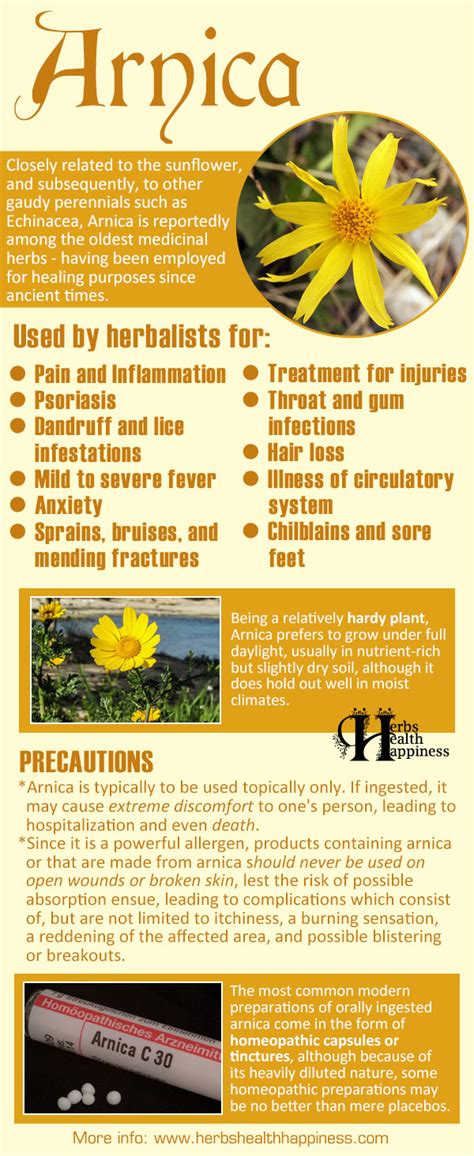
While arnica offers numerous benefits, it is crucial to be aware of potential side effects and usage guidelines. Arnica should never be ingested directly, as the mountain arnica plant is highly poisonous. Certain groups should avoid using arnica oil altogether, including pregnant women, breastfeeding women, and babies under nine months of age. Caution should also be exercised when applying arnica to broken skin, as there is a possibility of excessive absorption into the body, unless specifically directed by a healthcare professional. It is always recommended to follow proper usage guidelines and consult a healthcare provider before using arnica, especially if you have pre-existing medical conditions or concerns.
The world of skincare is continually evolving, with a growing emphasis on natural ingredients. At brands like Mustela and Shankara, there is a commitment to harnessing the power of natural products and herbs, with 100% natural ingredients forming the core foundation. Essential oils, with their inherent potency, have gained significant attention, and Arnica Essential Oil stands out for its centuries-old reputation as a powerful remedy for a wide array of skin concerns and healing purposes.