Unless you’ve been living under a rock, you’ve likely encountered the buzz surrounding hyaluronic acid. It has become an extremely popular solution in skincare, often hailed as the fountain of youth. But what exactly does it do for you? While we frequently hear about hyaluronic acid as a supplement or injection, many people are unaware that our bodies naturally produce this remarkable substance.
Hyaluronic acid is found in our joints, skin, and eyes, where it plays a crucial role in moisturization. Imagine the enhanced hydration and benefits if we were to supplement our skin with even more of this natural moisturizer.
Hyaluronic Acid and Skin Health: Combating the Signs of Aging
Everyone is on the lookout for ways to make wrinkles disappear. Many individuals spend a significant amount of money annually on creams, lotions, and various products in an attempt to minimize the appearance of wrinkles. Wrinkles are a natural consequence of aging, resulting from cumulative exposure to sun, dry air, acne, scars, and the general wear and tear of life. As we age, our skin gradually loses moisture, leading to dryness, cracking, and eventually, the formation of wrinkles.
While hyaluronic acid isn't a miracle drug that can completely eliminate facial lines, it can be a powerful ally in the fight against them. As previously mentioned, hyaluronic acid is a champion of moisturization. Incorporating it into your skincare routine is a direct path to improved skin health, delivering results efficiently.
How Hyaluronic Acid Works: The Science of Hydration
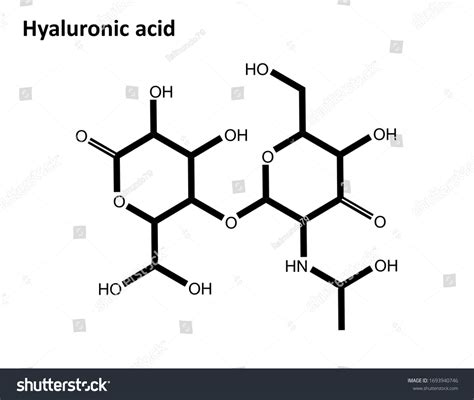
Hyaluronic acid belongs to a class of long, complex chain-like molecules known as polymers. These chains possess numerous sites where other chemical compounds, such as water, can attach. This unique property allows a mere quarter-teaspoon of hyaluronic acid to hold approximately one and a half gallons of water, making it an unparalleled polymer for water absorption, whether natural or artificial. This makes it a key ingredient in moisturizing products.
Due to its capacity to host numerous molecules, hyaluronic acid is highly effective at transporting other molecules throughout the body. Its ability to bind to cells also makes it a significant focus in research for targeted drug delivery systems.
Furthermore, the chain-like structure of hyaluronic acid enables it to function as a scaffold, supporting tissue growth. This is a vital aspect of the wound healing process. Scientists have also identified hyaluronic acid in human embryos, prompting investigations into its role in reproduction and development.
The Proven Efficacy of Hyaluronic Acid
Does hyaluronic acid work? Yes, its effectiveness is well-documented, depending on its application. It is a versatile molecule, and researchers are continuously discovering new and beneficial uses for it. Currently, its most prominent applications are in promoting skin, joint, and eye health. It is also the subject of hundreds of scientific studies and clinical trials globally.
Hyaluronic Acid's Impact on Skin Appearance and Health
Consistent, long-term use of hyaluronic acid serums applied topically or taken as an oral supplement can significantly enhance overall skin health. It is particularly effective in improving skin flexibility and elasticity, resulting in skin that feels softer and more pliable.
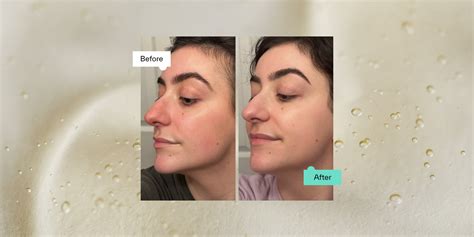
Hyaluronic acid is renowned for its exceptional ability to retain moisture and hydrate the skin. By integrating it into your skincare regimen, you bolster the skin's hydration process, providing valuable, rejuvenating moisture. As we age, the skin's natural protective barrier weakens, making it more susceptible to pollution and environmental damage. Hydration is paramount for achieving plumper-looking skin.
Hyaluronic acid not only absorbs moisture applied externally but also draws moisture from the surrounding air. This retention of extra moisture leaves the skin looking firmer. Consequently, hyaluronic acid contributes to skin that feels soft and smooth.
Hyaluronic Acid and Acne: A Specific Application
Hyaluronic acid is commonly utilized in dermal fillers designed to repair or conceal acne scars. While there has been some preliminary research into combining hyaluronic acid with other medications for acne treatment, conclusive evidence of their effectiveness is still limited.
Beyond Skincare: Diverse Applications of Hyaluronic Acid
Hyaluronic acid’s utility extends far beyond cosmetic applications. It plays a role in managing conditions such as osteoarthritis, which is characterized by the loss of protective cartilage in the joints, leading to bone friction. Hyaluronic acid is naturally produced by the body to lubricate these joints and can aid in rapid regeneration.
When injuries occur and wounds develop, hyaluronic acid in the skin concentrates at the affected site, initiating the healing process. In ophthalmology, during cataract surgery, eyes can become dry due to the need to remain open. To combat this dryness, doctors often administer hyaluronic acid to the eyeball to maintain lubrication throughout the procedure.
Hyaluronic Acid for Joint Health
Hyaluronic acid is a natural component of the joints, where it serves to lubricate the space between bones. This lubrication prevents bones from grinding against each other, thereby alleviating discomfort. Oral hyaluronic acid supplements have shown significant benefits for individuals suffering from osteoarthritis, a degenerative joint disease.
Studies indicate that daily intake of hyaluronic acid for a specified period can substantially reduce knee pain, particularly in individuals aged 40 to 70. Hyaluronic acid can also be administered via direct injection into the joints for pain relief, although this method may carry a higher risk of adverse effects compared to oral supplementation. Combining oral hyaluronic acid with injections may enhance pain relief duration and decrease the frequency of injections.
Hyaluronic Acid for Eye Health
The eyes naturally contain high concentrations of hyaluronic acid. Consequently, eye drops formulated with hyaluronic acid are effective in treating the symptoms of dry eyes. Research suggests that using both oral and topical hyaluronic acid can be more beneficial for relieving dry eye symptoms than topical application alone. However, further large-scale studies are needed to fully understand the impact of oral hyaluronic acid supplements on eye health.
Hyaluronic Acid and Wound Healing
Hyaluronic acid plays a pivotal role in wound healing. Its concentration increases in damaged areas, contributing to faster healing by regulating inflammation levels and stimulating the growth of new blood vessels. Topical application of hyaluronic acid to skin wounds has been shown to reduce wound size and accelerate pain relief compared to placebo or no treatment. It also possesses antibacterial properties, potentially reducing infection risk in open wounds. Furthermore, it has shown efficacy in improving gum health, speeding recovery after dental surgery, and treating mouth ulcers.
Hyaluronic Acid for Other Health Concerns
There is evidence suggesting that hyaluronic acid can help alleviate the symptoms of certain gastrointestinal issues, such as non-erosive reflux disease, when taken as a supplement in combination with acid-suppressing medications. For women experiencing vaginal dryness, particularly post-menopause, a combination of hyaluronic acid cream and estrogen cream has been found to be effective in alleviating symptoms, with hyaluronic acid sometimes proving to be the more potent agent.
Additionally, research indicates that introducing hyaluronic acid into the bladder via a catheter may help manage symptoms of painful bladder syndrome. However, the efficacy of oral supplements in achieving this effect remains uncertain.
How does hyaluronic acid work?
Safety and Usage of Hyaluronic Acid
Hyaluronic acid is generally considered very safe for use, with a low incidence of side effects. Since the body naturally produces it, allergic reactions are rare. Studies involving oral hyaluronic acid supplementation have reported no adverse effects over extended periods.
However, the safety of hyaluronic acid during pregnancy and breastfeeding has not been extensively studied, and caution is advised. There is also some preliminary evidence suggesting that cancer cells might be sensitive to hyaluronic acid, and supplementation could potentially accelerate their growth. Therefore, individuals with cancer or a history of cancer are generally advised to avoid hyaluronic acid supplements.
Injections of hyaluronic acid, whether for cosmetic or medical purposes, carry a higher risk of localized side effects, such as pain, bruising, redness, itching, and swelling. These effects are often related to the injection procedure itself rather than the hyaluronic acid.
How Often Can Hyaluronic Acid Be Used?
The frequency of hyaluronic acid use depends on the form. Topical skincare products containing hyaluronic acid can typically be used twice daily, but it is essential to follow product-specific instructions. Oral supplements and injections are subject to different usage guidelines and should be discussed with a healthcare professional.
Types of Hyaluronic Acid Products
Hyaluronic acid is available in several forms:
- Oral: Hyaluronic acid tablets and capsules are used for issues like skin hydration, wrinkle reduction, and joint pain. Consultation with a healthcare provider is recommended before starting any supplement regimen.
- Topical: This includes creams, lotions, serums, and foams applied directly to the skin. These products aim to increase skin moisture and reduce signs of aging.
- Injections: Hyaluronic acid can be injected for medical purposes, such as joint lubrication, or cosmetic reasons, like facial and lip fillers, to enhance volume and contour.
It is crucial to consult with a healthcare provider before starting oral hyaluronic acid supplements, especially if you have any pre-existing medical conditions or are taking other medications.
tags: #hyaluronic #acid #body #butter