Achieving clear and healthy skin often begins with a fundamental step: a reliable face wash. A good facial cleanser not only removes impurities but also prepares the skin for subsequent treatments, making it a cornerstone of any effective skincare routine. This article delves into the benefits of using a spotless face wash and explores the key ingredients that contribute to its efficacy.
The Foundation of Clear Skin: Understanding Face Washes
A "spotless" face wash implies a product designed to effectively cleanse the skin, removing dirt, oil, makeup, and bacteria without causing irritation or stripping the skin's natural moisture barrier. The primary goal is to achieve a clean canvas that is free from blemishes and ready to absorb beneficial skincare ingredients.

Key Benefits of Using a Spotless Face Wash:
- Effective Cleansing: Removes surface bacteria, excess oil, makeup, and pore-clogging impurities.
- Prevents Breakouts: Helps to reduce the proliferation of acne-causing bacteria and keeps pores clear.
- Maintains Skin Balance: Cleanses without over-drying or stripping the skin of its natural moisture, preserving the skin barrier.
- Enhances Product Absorption: A clean face allows subsequent skincare products like serums and moisturizers to penetrate more effectively.
- Soothes and Calms: Certain ingredients can provide anti-inflammatory and soothing benefits, reducing redness and irritation.
Deconstructing the Ingredients: What Makes a Face Wash Effective?
The efficacy of a face wash is directly linked to its ingredient profile. Understanding these components can help consumers make informed choices for their specific skin needs.
Core Cleansing Agents:
- Sodium C14-16 Olefin Sulfonate: A surfactant known for its cleansing properties, effectively removing oil and impurities.
- Cocamidopropyl Betaine: A mild cleansing agent that is excellent at stabilizing foam and works well in combination with other cleansing agents. It is often chosen for its gentleness and compatibility with sensitive skin formulas.
- Sodium Lauryl Glucose Carboxylate: A gentle cleansing ingredient derived from natural sources, known for its mildness and ability to create a smooth skin feel after washing.
- Lauryl Glucoside: Another mild, plant-derived surfactant that contributes to the gentle cleansing action of the product.
- Sodium Laureth Sulfate (SLES): A common cleansing ingredient that is milder than Sodium Lauryl Sulfate (SLS) due to its larger water-soluble head group, making it less irritating. While effective, those seeking very mild facial cleansers might prefer formulas without SLES.
Hydration and Skin Conditioning Ingredients:
- Water (Aqua, Eau): The most common ingredient in cosmetic products, serving as the primary solvent. In cosmetics, it is purified and deionized.
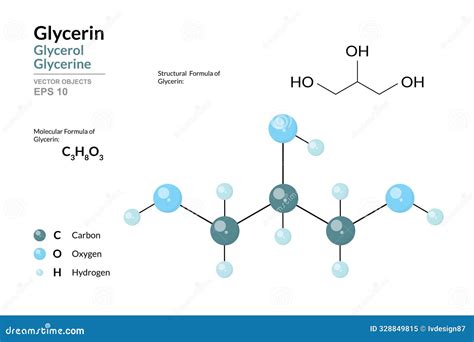
- Glycerin: A highly effective humectant that attracts and retains moisture in the skin, contributing to hydration and protecting the skin barrier. It also possesses antimicrobial and antiviral properties, often used in wound and burn treatments.
- Propylene Glycol: A humectant that helps the skin retain moisture. It also aids in delivering active ingredients and prevents the product from freezing or melting, while adding antimicrobial properties.
- Panthenol (Pro-Vitamin B5): Acts as a humectant, attracting water to the skin. It also offers anti-inflammatory, skin-protecting, and wound-healing benefits, and can help reduce irritation caused by other ingredients.
- Allantoin: Known for its soothing, moisturizing, and skin-protecting properties. It helps to promote cell proliferation and wound healing.
Active and Beneficial Ingredients:
- Fruit Enzyme (Ananas Sativus (Pineapple) Fruit Extract, Carica Papaya (Papaya) Fruit Extract): These enzymes act as natural exfoliants, helping to break down dead skin cells, promoting a smoother complexion, and revealing brighter skin. They can also act as antioxidants and humectants.
- Zinc PCA: A synergistic combination of Zinc and L-PCA. Zinc helps to normalize sebum production and limit the growth of acne-causing bacteria. L-PCA is a natural moisturizing factor (NMF) that aids in skin hydration and energy processes. Studies indicate Zinc PCA can significantly reduce sebum production and exhibits strong anti-microbial activity against acne-causing bacteria. Emerging research also suggests potential anti-aging benefits by supporting collagen production.
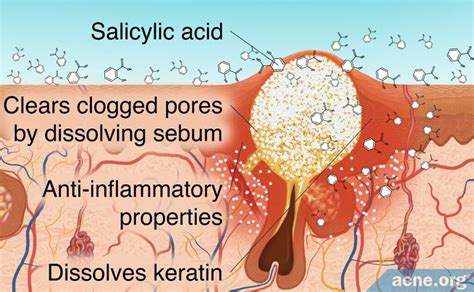
- Salicylic Acid (2%): A beta-hydroxy acid (BHA) that is oil-soluble, allowing it to penetrate pores and exfoliate from within. It is highly effective in reducing acne-producing bacteria, blackheads, whiteheads, and active breakouts.
- Bisabolol: Famous for its potent skin-soothing and anti-inflammatory properties, Bisabolol helps reduce the skin's reaction to irritation. It also possesses antioxidant and antimicrobial/fungicidal properties, contributing to skin barrier health and product preservation.
- Phytosphingosine: A lipid naturally found in the skin's upper layer, it acts as part of the skin's defense system. Research shows it has antimicrobial and cell-communicating properties, and is effective against acne-causing bacteria, making it a promising ingredient for acne-prone skin due to its anti-inflammatory and antimicrobial activities.
Supporting and Stabilizing Ingredients:
- Acrylates/C10-30 Alkyl Acrylate Crosspolymer: A polymer that functions as a thickener and emulsion stabilizer. Its dual water- and oil-loving nature makes it effective in gel-type formulas and cleansers, working well with most cleansing agents.
- PEG-150 Distearate: A synthetic polymer used as a humectant and solvent, it helps to dissolve active ingredients and has humectant properties. It is also used as an emulsifier and thickener.
- Sodium Citrate: Often used as a pH adjuster or chelating agent, it helps to maintain the product's stability and efficacy.
- Sodium Chloride: Commonly known as salt, it acts as a thickener in cleansing formulas containing ionic surfactants, helping to achieve a desirable gel texture.
- Sodium Hydroxide (Lye): Used in small amounts to adjust the product's pH, ensuring it is suitable for skin application. It is crucial for the efficacy of certain active ingredients like AHAs and BHAs. While a potent irritant in its raw form, it is rendered harmless once reacted in cosmetic formulations.
- Xanthan Gum: A natural polysaccharide produced via fermentation, it is widely used as a thickener and emulsion stabilizer, helping to create a desirable consistency for cosmetic products.
- Glyceryl Stearate: A mix of glycerin and stearic acid that stabilizes the mixture of water and oil ingredients, preventing separation and thickening the product's texture. It also acts as an emollient, softening the skin.
- Cera Alba (Beeswax): Acts as a texture enhancer and emollient, creating a barrier on the skin to help trap moisture. It also functions as an emulsifier, helping to create a consistent product texture.
- BHT (Butylated Hydroxytoluene): A synthetic antioxidant and preservative that helps stabilize products and prevent degradation from oxidation.
- Disodium EDTA: A chelating agent that neutralizes metal ions, enhancing product stability and aiding other preservatives.
Ingredients to Note:
- Hamamelis Virginiana Water (Witch Hazel): Known for its astringent, soothing, antioxidant, and antibacterial properties. Different parts of the plant yield extracts with varying amounts of active components.
- Parfum (Fragrance): A broad term for ingredients used to scent products. It can be a blend of hundreds of chemicals or plant oils. Depending on the blend, fragrances can potentially cause allergies and sensitivities.
- Lavender Oil: While possessing a pleasant scent and potential calming, antimicrobial, and antibacterial properties, the main components of lavender oil (linalyl acetate and linalool) can be potential irritants and strong contact allergens due to autoxidation when exposed to air. It can also be cytotoxic at certain concentrations.
- Roman Chamomile: Contains anti-inflammatory components like bisabolol and chamazulene, though typically in lower concentrations than German Chamomile.
- Parabens (e.g., Methylparaben): While controversial, they are preservatives. Some research suggests potential concerns regarding sun exposure and skin cells, though this was based on in-vitro studies.
- Octadecenedioic Acid: This ingredient is noted as not being fungal acne safe.
Animation: SalSphere® Even Skin / SalSphere® Salicylic Acid
How to Use Your Face Wash for Optimal Results
Proper application is key to maximizing the benefits of any face wash. For a spotless face wash, the general instructions often include:
- Wet Skin: Begin by wetting your face with lukewarm water.
- Apply Product: Dispense one pump of the cleanser onto your palm.
- Massage Gently: Apply to wet skin and massage over your face, avoiding the eye area. A 90-second massage is often recommended to allow the ingredients to work effectively.
- Rinse Thoroughly: Rinse the face completely with water.
- Pat Dry: Gently pat your skin dry with a clean towel.
Usage Frequency: Start by using the product once daily. If tolerated, gradually increase to twice daily application as needed or as directed by a healthcare professional. If using an exfoliating cleanser (like one with salicylic acid), be mindful of potential skin dryness and follow with sunscreen if venturing outdoors.