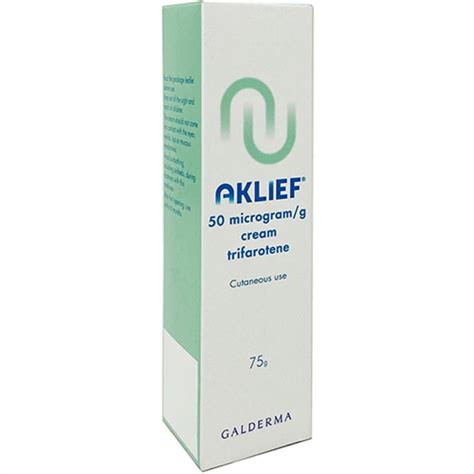
AKLIEF Cream, containing the active ingredient trifarotene 0.005%, is a prescription topical retinoid medication approved by the FDA in 2019 for the treatment of acne vulgaris in individuals aged 9 years and older. It represents an innovative approach to acne care, specifically targeting the RAR-γ receptor, which is the most prevalent retinoic acid receptor in the skin. This targeted action plays a crucial role in modulating inflammation, normalizing cell growth, and promoting keratinization and desquamation, thereby improving acne conditions.
Understanding AKLIEF Cream
AKLIEF Cream is designed for topical application and works by influencing cellular processes involved in acne development. As a retinoid, it targets key pathways within the skin to reduce acne lesions. The cream's unique vehicle, AKLIEF Vehicle, contains Simulgel® 600 PHA, which ensures a non-greasy feel and homogenous dispersion of active ingredients. It is also formulated with emollients like cyclomethicone and medium-chain triglycerides for enhanced spreadability, and allantoin, a known skin-conditioning agent.
Mechanism of Action
AKLIEF Cream's efficacy stems from its ability to target the RAR-γ receptor. This receptor plays a significant role in acne vulgaris through several mechanisms:
- Inflammation modulation via AP-1 pathways.
- Epidermal turnover and normalizing cell growth.
- Keratinization regulation.
- Desquamation promotion.
By specifically targeting RAR-γ, AKLIEF Cream offers a precise approach to managing acne.
Who Can Use AKLIEF Cream?
AKLIEF Cream is indicated for the topical treatment of acne vulgaris in patients aged 9 years and older. It is effective for both facial and truncal acne, including blackheads and whiteheads.
Efficacy and Onset of Action
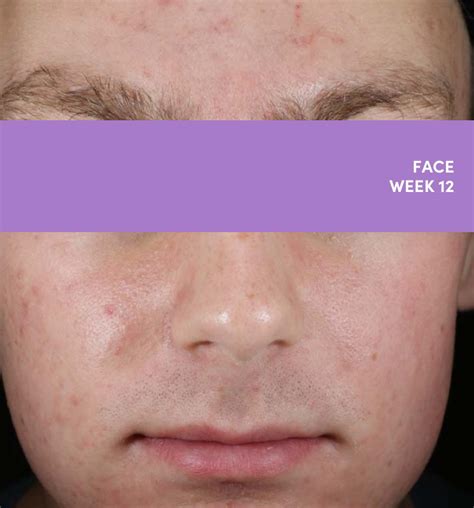
Clinical trials have demonstrated the efficacy of AKLIEF Cream in reducing acne lesions. Significant reductions in facial acne lesions have been observed as early as 2 weeks of treatment. In studies involving over 2,000 patients, AKLIEF Cream showed proven results in treating facial and truncal acne vulgaris, with rapid results and powerful efficacy combined with excellent tolerability.
How to Use AKLIEF Cream
AKLIEF Cream should be applied once daily in the evening to the affected areas. The dosage is as follows:
- Face: 1 pump
- Upper back, shoulders, and chest: 2 pumps
If an application is missed, do not double the dose. Simply continue with the regular application schedule the following day.
Integrating into Skincare Routine
To incorporate AKLIEF Cream into your evening skincare routine, ensure the affected skin is clean and dry before application. Use skincare products that are non-comedogenic (won't clog pores) and consider using a moisturizer from the initiation of treatment to help manage potential skin reactions.
Application to the Back
For application to the back, two pumps of AKLIEF Cream should be used. It's important to apply it evenly to the affected areas of the upper back.
Important Precautions and Warnings
While using AKLIEF Cream, it is crucial to minimize exposure to sunlight and artificial UV light sources such as sunlamps and tanning beds, as the medication can increase photosensitivity. If sun exposure is unavoidable, use a sunscreen with an SPF of 15 or higher and wear protective clothing, including a wide-brimmed hat to cover treated areas.
Areas to Avoid
Avoid applying AKLIEF Cream to cuts, abrasions, or skin that is eczematous or sunburned. Also, avoid contact with eyes, lips, and mucous membranes.
Hair Removal
Waxing as a depilatory method should be avoided on skin treated with AKLIEF Cream, as it may increase the risk of skin irritation or damage.
Skin Products to Avoid
It is advisable to avoid using skin products that can dry or irritate the skin, including those with high alcohol content, abrasive soaps, or harsh cleansers, as these can exacerbate potential skin reactions.
Potential Side Effects of AKLIEF Cream
AKLIEF Cream may cause side effects, most of which are related to local skin reactions. These are common, particularly during the first 4 weeks of treatment, and may decrease with continued use.
Common Side Effects
The most common adverse reactions reported in clinical trials include:
- Application site irritation
- Application site pruritus (itching)
- Sunburn
- Erythema (redness)
- Scaling
- Dryness
- Stinging or burning sensations
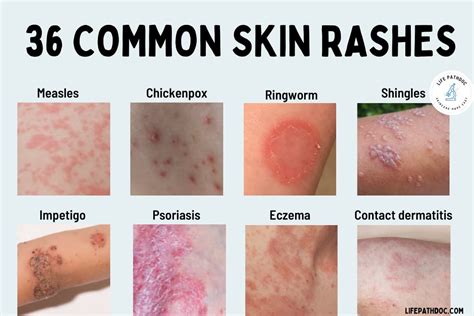
These reactions may be mild to moderate and can often be managed by using a moisturizer, reducing the frequency of application, or temporarily suspending use, as advised by a healthcare provider.
Serious Side Effects
While less common, AKLIEF Cream can cause serious side effects, including:
- Severe skin irritation: Symptoms include significant stinging, burning, redness, or peeling.
- Increased sensitivity to ultraviolet (UV) light: This can lead to severe sunburn, blistering, or swelling.
- Allergic reaction: Though not frequently reported in trials, symptoms can include rash, itching, hives, swelling of the face, lips, mouth, tongue, or throat, and difficulty breathing.
If any serious side effects occur, it is essential to contact a doctor immediately. For symptoms that appear life-threatening, seek emergency medical care.
Managing Side Effects
If skin irritation or other side effects become bothersome, consult your doctor. They may recommend:
- Using a moisturizer regularly, even before irritation begins.
- Reducing the frequency of AKLIEF Cream application.
- Temporarily suspending or discontinuing use.
It is important not to stop using AKLIEF Cream unless advised by your doctor, even if your acne improves, as pores can become clogged again, leading to reappearance of acne.
Cost and Insurance Coverage
To help manage the cost of AKLIEF Cream, Galderma offers the CAREConnect Patient Savings Card, which provides instant savings on prescriptions and refills. Most insurance plans cover AKLIEF Cream; however, it is recommended to check with your specific insurance provider for details.
Storage Information
AKLIEF Cream should be stored at room temperature, between 68°F and 77°F (20°C and 25°C). It can tolerate temperatures between 59°F and 86°F (15°C and 30°C) for short periods, such as during transportation. Avoid exposing the cream to excessive heat.