When it comes to skincare, African black soap shines as a centuries-old treasure, celebrated for its natural ingredients and incredible benefits. But what exactly is African black soap, and what makes it so special? Let’s dive into this unique blend of plant-based goodness that’s a must-have for your skincare routine. From fighting pimples to improving skin texture, this gentle yet powerful soap is here to care for your beautiful skin.
What is African Black Soap?
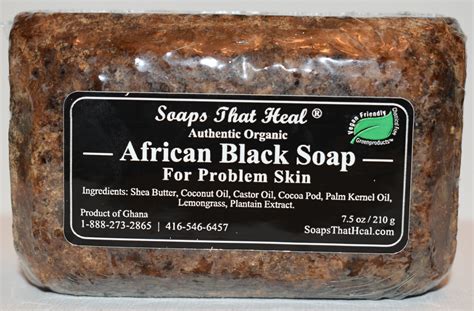
African black soap, often called black soap, has its roots in West Africa. This traditional soap is crafted from the ash of locally harvested plants like plantain, cocoa pods, palm tree leaves, and shea tree bark. These natural ingredients are sun-dried and roasted, giving the soap its signature rich color. Combined with water and oils such as coconut oil, palm oil, and shea butter, this soap nourishes the skin and has been cherished for generations.
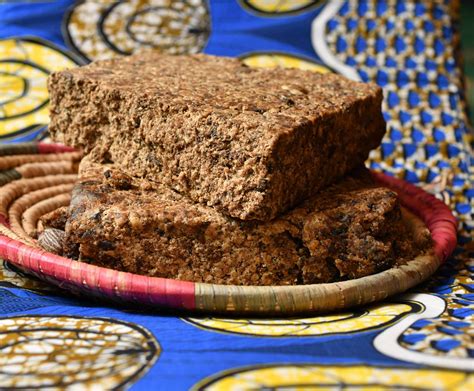
African black soap is loved for its all-natural composition. Free from synthetic additives, parabens, and sulfates, it’s gentle on your skin and perfect for all skin types, including sensitive skin.
Key Benefits of African Black Soap
Deep Cleansing
Known for its deep cleansing power, African black soap effectively removes dirt, oil, and impurities, leaving your skin feeling fresh and clean. It’s a go-to for oily or acne-prone skin.
Gentle Exfoliation
The natural ash content in black soap gently exfoliates, clearing away dead skin cells and promoting a smoother, more even texture. With regular use, you’ll notice a brighter complexion and fewer blemishes.
Hydration and Moisturization
Packed with shea butter and other natural oils, African black soap hydrates your skin, leaving it soft and supple. It moisturizes without stripping away your skin’s natural oils. This can be especially beneficial if you struggle with psoriasis or eczema.
Acne Fighting Properties
With natural anti-inflammatory and antibacterial properties, African black soap is a powerful ally against acne. It helps reduce redness and swelling while helping to prevent future breakouts. Struggling with pimples? African black soap could be your new skincare hero. Its antibacterial properties tackle acne-causing bacteria, and its gentle exfoliation clears out clogged pores. The result? Clearer, healthier skin.
One user shared, "I struggle with acne and this is one of my favorite products for keeping my skin calm. It smells so fresh and has a slight grit to help exfoliate."
Balancing for All Skin Types
Gentle enough for your face, African black soap helps balance your skin’s natural oils, making it a perfect match for both dry and oily skin. It deeply cleanses while keeping your face hydrated and radiant.
Another user enthusiastically stated, “I'm obsessed with this face soap! It's like a spa treatment in my own home. The moment I started using it, I noticed a difference - my skin felt smoother, cleaner, and looked brighter. The soap is gentle yet effective, removing dirt and impurities without stripping my skin of its natural oils. It's perfect for my sensitive skin, and the fragrance is subtle and soothing. My skin looks and feels amazing - I've even gotten compliments from friends and family! The price is affordable, and the quality is top-notch. I'm hooked on this soap and will never go back to my old cleanser."
How to Use African Black Soap
Using African black soap is simple:
- Wet the soap: Wet the soap and rub it between your hands to create a lather. For a richer lather, use a washcloth or sponge.
- Apply to skin: Gently massage the lather onto your skin in circular motions. Pay special attention to your face, neck, or areas prone to breakouts.
- Rinse thoroughly: Use lukewarm water to rinse off the soap, ensuring no residue is left behind. Pat your skin dry with a clean towel.
- Moisturize: Seal in the moisture with a good moisturizer.
- Control odor: Apply a nourishing whole body deodorant to areas that tend to sweat, to keep your skin feeling fresh all day.
African black soap is more than just a soap-it’s a tradition, a gift, and a skincare essential. From natural ingredients to deep cleansing and skin-loving hydration, this soap has been trusted for generations. Embrace the magic of African black soap and let your skin glow with pride and love.
Understanding the Ingredients
While the core ingredients of traditional African black soap are simple, modern formulations, such as Shea Moisture African Black Soap, often incorporate additional beneficial components. Here's a breakdown of common ingredients and their functions:
Traditional Ingredients and Their Roles:
- Ash of Plantain Skins, Cocoa Pods, Palm Leaves, Shea Bark: Provides the soap's cleansing base and natural color. Plantain skins offer vitamins A and C and gentle exfoliation, while cocoa pods are rich in antioxidants.
- Shea Butter: A deeply moisturizing and emollient ingredient that regenerates, soothes, and protects the skin. It's rich in antioxidants and vitamins.
- Coconut Oil/Palm Kernel Oil: Contribute to lathering and cleansing properties, providing a smooth texture and moisturizing feel.
Common Additives in Modern Formulations (e.g., Shea Moisture):
- Water (Aqua): The most common skincare ingredient, acting as a solvent and base for the formula. Purified and deionized water is typically used.
- Glycerin (Vegetable Origin): A humectant that draws moisture to the skin, contributing to hydration.
- Decyl Glucoside/Lauryl Glucoside: Vegetable-origin cleansing agents derived from coconut or palm kernel oil and glucose, known for their great foaming abilities and gentle cleansing.
- Coco-Glucoside: A mild, plant-derived cleansing agent that helps create lather and stabilize foams.
- Jojoba Esters: Emollients derived from jojoba oil, they provide a smooth, soft feel to the skin.
- Lonicera Japonica (Japanese Honeysuckle) Extract: Known for its anti-inflammatory and soothing properties, and can also act as a natural preservative.
- Aloe Barbadensis (Aloe Vera) Leaf Juice: A well-known plant with moisturizing, anti-inflammatory, and some antibacterial properties that aid in wound healing and skin regeneration.
- Tocopherol (Vitamin E): A powerful antioxidant that offers photoprotection against UVB rays and works synergistically with Vitamin C.
It's important to note that some ingredient names in traditional formulations might not adhere to standardized INCI (International Nomenclature of Cosmetic Ingredients) standards. Modern brands often provide clearer, standardized ingredient lists.
Traditional vs. Commercial African Black Soap: A Deeper Dive
As someone who’s spent years exploring natural skincare, I’ve always been drawn to African Black Soap. Its reputation for cleansing, soothing, and balancing skin-rooted in centuries of West African tradition-made it a staple in my routine. Over the past two months, I tested both side by side, tracking everything from lather quality to long-term effects on my combination skin. What I found surprised me: while both share core benefits, their differences in ingredients, texture, and performance make them better suited for different needs. If you’re trying to decide which one belongs in your bathroom, let’s break down the details.
What Is Traditional African Black Soap?
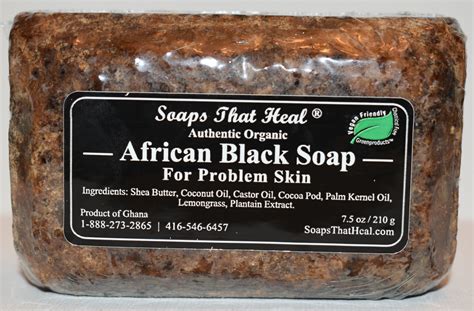
Traditional African Black Soap-known locally as “savon noir” or “ose dudu”-originates from countries like Ghana, Nigeria, and Senegal. For generations, it’s been made by hand using a simple, time-honored process: roasting plantain skins and cocoa pods over open fires, then mixing the ashes with oils (typically palm kernel oil, coconut oil, or shea butter) and water. What makes traditional batches unique is their minimalism. They contain no preservatives, fragrances, or additives-just the natural properties of their ingredients. Plantain skins provide gentle exfoliation and vitamins A and C, while cocoa pods offer antioxidants. Shea butter, when included, adds deep moisture, making them suitable for dry skin.
Commercial Versions (e.g., Shea Moisture African Black Soap with Shea)
Commercial versions, like Shea Moisture African Black Soap with Shea, build on this foundation but adapt it for modern consumers. They retain the core ingredients-plantain, cocoa, and oils-but often refine the texture, add extra beneficial components, and standardize the formula for consistency. Traditional bars are often sold in unlabeled chunks, with quality relying on the skill of the maker. Each batch can vary in hardness, scent, and lathering ability, which adds to their artisanal appeal but can be inconsistent for users seeking reliability.
Shea Moisture African Black Soap with Shea: A Closer Look
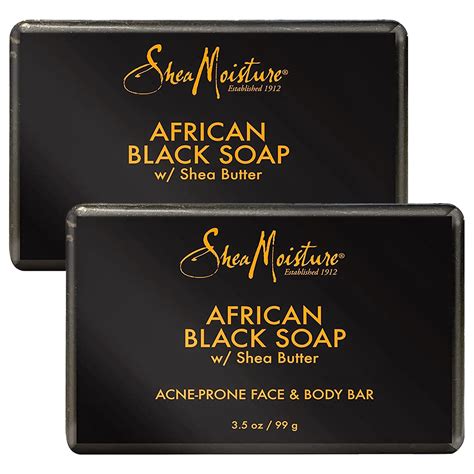
Shea Moisture African Black Soap with Shea stands out among commercial variants for its intentional blend of tradition and innovation. Let’s start with its ingredients: while traditional bars may include shea butter in small amounts, this version puts the ingredient front and center. This extra shea butter makes a noticeable difference. Traditional formulas can feel drying to some skin types, especially with frequent use. In contrast, Shea Moisture African Black Soap with Shea has a richer, creamier lather that cleanses without stripping moisture.
Texture and Consistency
Texture-wise, Shea Moisture African Black Soap with Shea is smoother than traditional bars. Older versions often have a grainy, uneven feel due to their unrefined nature, which can be a turnoff for those used to commercial soaps. Perhaps most importantly, Shea Moisture African Black Soap with Shea undergoes rigorous testing to ensure consistency.
pH Balance
Another key feature is its pH balance. While traditional formulas tend to have a higher pH, which can temporarily disrupt the skin’s natural acid mantle, Shea Moisture African Black Soap with Shea is formulated to be closer to the skin’s natural pH, reducing the risk of irritation.
User Experiences and Testimonials
To put both options to the test, I used traditional African Black Soap on my left side of the face and body, and Shea Moisture African Black Soap with Shea on my right, for four weeks. Both soaps initially caused mild tingling-normal for products with natural exfoliants. The traditional bar lathered less than Shea Moisture African Black Soap with Shea, which produced a thick, creamy foam. By day 3, I noticed my left cheek (traditional soap) felt tighter, while my right cheek (the modern variant) stayed soft. I also paid attention to how each soap interacted with my morning moisturizer. My T-zone, which usually gets oily by noon, showed noticeable differences. The traditional formula kept oil at bay but left my skin looking matte to the point of dullness. Shea Moisture African Black Soap with Shea, however, balanced oil without sacrificing radiance-my skin looked fresh, not flat.
A friend who has struggled with oily skin for years tried both and shared a similar observation: “The traditional soap made my skin feel like it was ‘squeaky clean,’ but by the end of the day, I was oilier than before. Rough patches around my nose and chin began to smooth with both, but Shea Moisture African Black Soap with Shea worked faster. Its blend of shea butter and aloe seemed to speed up skin turnover, leaving the right side of my face noticeably softer.”
I also tested both on my hands, which tend to get dry from frequent washing. The traditional soap left my hands feeling tight and rough, even after applying hand cream. By the end of the month, both sides were clearer, but the right side (Shea Moisture African Black Soap with Shea) had fewer post-acne marks and a more even tone. I also noticed that my makeup applied more smoothly on the right side of my face. The traditional soap had left my skin with a slightly uneven texture, causing my foundation to cling to dry patches.
Sensitive Skin and Eczema Considerations
For those with sensitive skin or eczema, the choice between traditional African Black Soap and Shea Moisture African Black Soap with Shea is critical. “Traditional bars burned a little on my flare-ups, even when I rinsed quickly. But Shea Moisture African Black Soap with Shea felt soothing-it didn’t irritate my sensitive patches at all. This aligns with what Healthline reports about eczema-friendly soaps: products with added moisturizers like shea butter are less likely to disrupt the skin barrier. Traditional formulas, while natural, lack these added protections. Their higher pH (common in unrefined soaps) can temporarily disrupt the skin’s acid mantle, making them riskier for eczema-prone skin.”
Another friend with rosacea also tried both and found that the modern variant didn’t trigger the redness and flushing that the traditional soap did.
Hair and Scalp Benefits
One unexpected discovery: both options work wonders on hair and scalps, but Shea Moisture African Black Soap with Shea has an edge here too. I tested traditional African Black Soap as a clarifying shampoo, which removed buildup but left my hair dry and frizzy. The brand also offers complementary products like Shea Moisture African Black Soap Dry Scalp Elixir and Shea Moisture African Black Soap Dandruff Control Shampoo, which pair perfectly with the bar soap. This versatility-working for both skin and hair-makes Shea Moisture African Black Soap with Shea a standout.
I also tried using Shea Moisture African Black Soap with Shea as a body wash for my hair on days when I didn’t want to use a separate shampoo. It left my hair feeling clean and soft, with a natural shine.
Reviews and Expert Opinions
To round out my experience, I analyzed Shea Moisture Black Soap reviews from platforms like Amazon, Ulta, and Reddit. The consensus? Most users praise its moisturizing power, with one reviewer writing, “I’ve tried traditional African Black Soap and it dried me out, but Shea Moisture African Black Soap with Shea keeps my skin balanced-no more tightness or flakes.” Another noted, “Is Shea Moisture Black Soap good for acne? Absolutely.” Criticisms are rare but include complaints about the scent (some find it stronger than traditional bars) and price (it’s more expensive than basic older versions). However, most users agree the extra cost is worth it for the added benefits. One reviewer summed it up: “Yes, it’s pricier, but I use less of it per wash, and it does more for my skin than the traditional soap.”
Industry experts echo these sentiments. WebMD highlights that commercial variants with added moisturizers like shea butter are “excellent for maintaining skin barrier health,” making them better suited for long-term use than unrefined traditional versions. Dermatologists I spoke with noted that the modern variant is a good choice for patients who want the benefits of traditional bars but need something gentler.
Cost and Availability
When it comes to cost, traditional African Black Soap is generally cheaper, ranging from $5-$10 per bar. Availability is another factor. Traditional bars can be hard to find in mainstream stores, often requiring trips to African markets or specialty shops. Shea Moisture African Black Soap with Shea, however, is widely available at drugstores (CVS, Walgreens), big-box retailers (Target, Walmart), and online.
For value, the modern variant wins for most users. Its versatility (face, body, hair), added ingredients, and consistent performance justify the higher price. Plus, the brand offers bundle deals, making it more affordable when buying in bulk. If you’re ready to try it, shop Shea Moisture African Black Soap and see the difference for yourself.
Which African Black Soap is Right for You?
Choose traditional African Black Soap if:
- You prefer unrefined, minimalist products.
- You have very oily skin that can handle a drier cleanse.
- You want to support small-scale, artisanal makers.
Choose Shea Moisture African Black Soap with Shea if:
- You have dry, sensitive, or combination skin.
- You want added benefits like anti-acne or eczema relief.
- You value convenience, consistency, and multi-use functionality (skin + hair).
For most people-especially those new to this type of soap-the modern variant is the better all-around choice. Don’t just take my word for it.
Frequently Asked Questions
Is Shea Moisture African Black Soap good for acne?
Yes. Its blend of tea tree oil, plantain, and shea butter fights bacteria, reduces inflammation, and balances oil-key for clearing acne.
Does Shea Moisture African Black Soap respect the traditional product?
Yes. It contains the core ingredients of traditional bars (plantain, cocoa, oils) and respects the product’s cultural roots, while adding beneficial extras like shea butter.
Can I use Shea Moisture African Black Soap on my hair?
Absolutely. It’s gentle enough for full-body use and works well as a clarifying scalp cleanser, especially when paired with Shea Moisture African Black Soap Dry Scalp Elixir.
Is Shea Moisture African Black Soap good for eczema?
Yes, particularly the Shea Moisture African Black Soap Eczema Therapy bar soap variant, which includes colloidal oatmeal to soothe irritation.
How does Shea Moisture African Black Soap compare to other Shea Moisture lines?
Shea Moisture African Black Soap is more targeted at cleansing and balancing, while other Shea Moisture lines focus on specific needs (e.g., deep hydration, anti-aging).
What are the main benefits users and experts highlight?
Users and experts highlight its ability to cleanse without drying, balance oil production, soothe sensitive skin, fight acne, and improve overall texture.
How often should I use African Black Soap?
Most users find that using it once or twice daily works well. Those with dry or sensitive skin may prefer once a day, while those with oily skin can use it twice.