In the world of dermatology, there are three main fields: medical, cosmetic, and surgical. While each respective approach can help patients achieve great skin, medical and cosmetic dermatology offer different types of treatments to serve patients’ skincare needs. Surgical dermatology overlaps with both of the other two depending on whether the surgery is necessary for malignant or concerning conditions such as skin cancer or elective for benign but otherwise bothersome spots.
Medical Dermatology: Focusing on Skin Health and Function
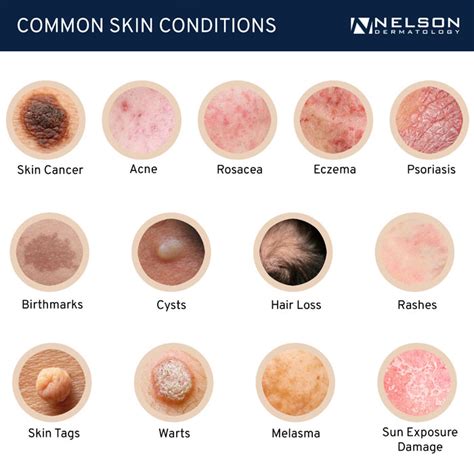
Medical dermatology is primarily concerned with the actual health of your skin and disorders related to skin function. Dermatologists specializing in medical procedures typically focus on the health of your skin and can diagnose a wide range of conditions and concerns, including:
- Acne
- Eczema, Rosacea, and Psoriasis
- Hyperpigmentation and Melasma
- Birthmarks, Moles, and Lesions
- Alopecia
- Contact dermatitis
- Nail fungus
- Dandruff
- Allergic reactions
- Warts
- Scalp and hair disorders
- Subcutaneous growths
While acne often starts in the teen years, for some patients it extends well into adulthood. Grown women frequently have hormonally-related acne - it’s common but often ignored, so patients feel hopeless or frustrated. Patients suffering from inflammatory skin conditions like eczema, rosacea, and psoriasis know just how uncomfortable a flareup can be. An even skin tone is something that many people strive for, but hyperpigmentation and melasma can disrupt an otherwise clear complexion. Medical dermatology aims to treat these conditions, often through prescription medications or in-office procedures.
Research breakthroughs are giving patients with atopic dermatitis/eczema more ways to treat this condition. If you have what feels like razor bumps or acne on the back of your neck or scalp, you may have acne keloidalis nuchae. If you want to diminish a noticeable scar, know these 10 things before having laser treatment. Free to everyone, these materials teach young people about common skin conditions, which can prevent misunderstanding and bullying.
Cosmetic Dermatology: Enhancing Aesthetics and Rejuvenation
Cosmetic dermatology is more concerned with aesthetics - those problems that aren’t health- or longevity-threatening but make patients self-conscious or are otherwise distressing. For example, men and women seeking to rejuvenate their face or achieve a younger look would seek out the services of a cosmetic dermatologist. Dermatologists who specialize in cosmetic procedures might focus on offering treatments that, while not strictly necessary for health, may help you make aesthetic improvements to your skin.
Cosmetic dermatology offers a variety of procedures to address aesthetic concerns. Some of these include:
- PRP Therapy: Uses a patient’s own blood platelets to encourage the growth of new skin cells and/or hair.
- Microneedling: A small device with tiny needles creates microinjuries in the skin, stimulating collagen production for rejuvenated, healthy skin, and reducing the appearance of scars, stretch marks, and fine lines.
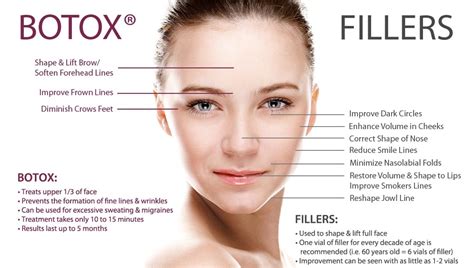
- Dermal fillers
- Botox injections
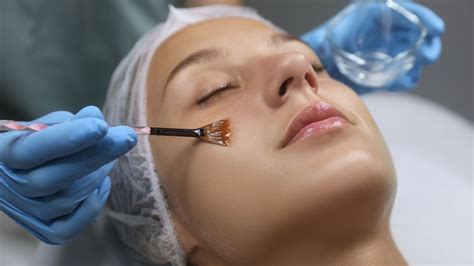
- Chemical peels
- Laser resurfacing
- Laser hair removal
Cosmetic dermatology services are considered aesthetic and are generally not covered by insurance. These treatments can help with concerns such as correcting skin tone, smoothing wrinkles, removing hair, reducing surface fat, tightening skin, removing tattoos, treating cellulite, and addressing acne and acne scars.
Surgical Dermatology: Addressing Skin Disorders with Surgical Intervention
Surgical dermatology overlaps with both medical and cosmetic dermatology. It involves procedures that are either necessary for malignant or concerning conditions like skin cancer, or elective for benign but bothersome spots. Surgical dermatologists use advanced procedures and techniques to diagnose and surgically treat skin disorders and issues. Our specialists collaborate to deliver complete services for the diagnosis and treatment of all skin conditions.
Understanding the Roles of Dermatologists and Estheticians
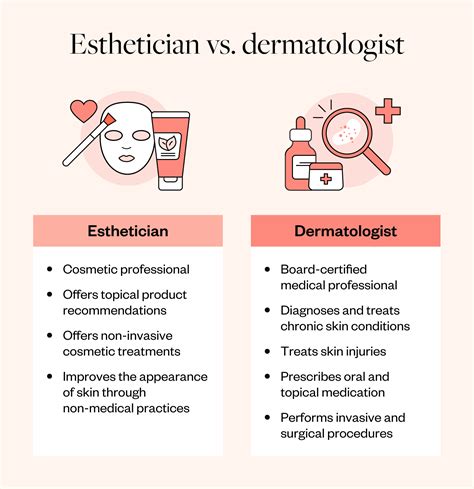
If you have a skin care concern you’d like to address, you can consult two different kinds of experts: estheticians and dermatologists. While both are skin care professionals, they have distinct expertise and offer different kinds of services.
Dermatologists: Medical Doctors for Skin Health
A dermatologist is a medical doctor who specializes in treating the skin, hair, and nails. They are trained to diagnose specific skin conditions and treat them, which may include prescribing prescription medications or performing in-office procedures, from removing cysts and growths to performing skin cancer biopsies. Dermatologists can diagnose and treat more than 3,000 conditions.
Dermatologists can:
- Perform diagnostic and preventive exams
- Offer counseling and education about skin conditions
- Provide treatment
While many dermatologists offer both medical and cosmetic dermatology procedures, some may specialize in either medical or cosmetic services. A dermatologist who specializes in medical procedures will typically focus on the health of your skin. Dermatologists who specialize in cosmetic procedures might focus on offering treatments that help you make aesthetic improvements to your skin.
Training and Credentials of Dermatologists
Dermatologists go through at least 12 years of education and training before practicing. After earning a bachelor’s degree, they attend medical school, complete a year-long internship, and then a three-year residency, treating patients alongside experienced dermatologists. Following residency training, a dermatologist can take an exam to become board certified. If a dermatologist is board certified, the letters FAAD (Fellow of the American Academy of Dermatology) will appear after their name. In North America, boards that can grant this certification include:
- The American Board of Dermatology
- The American Osteopathic Board of Dermatology
- The Royal College of Physicians and Surgeons of Canada
Some dermatologists may pursue further specialization through fellowship programs, such as becoming a dermatopathologist (diagnosing skin diseases under a microscope) or a Mohs surgeon (performing a specialized technique to remove minimal amounts of skin cancer).
Estheticians: Specialists in External Skin Appearance
An esthetician, or skin care specialist, provides services geared toward improving the external appearance of your skin. They are trained to provide treatments to the outermost layers of your skin and can offer guidance with caring for and improving the appearance of your skin. Unlike dermatologists, they don’t have medical training, so they typically can’t diagnose skin conditions, prescribe medications, or perform invasive treatments like injectables and fillers. However, in some states, estheticians may be able to perform injectables and other procedures with a dermatologist’s supervision.
Some examples of services an esthetician can offer include:
- Facials
- Microdermabrasion
- Hair removal procedures like waxing, threading, and sugaring
- Makeup application, including eyebrow tinting and eyelash extensions
- Body scrubs, masks, and wraps
- Some types of superficial chemical peels (they cannot perform aggressive peels that penetrate deeper into the skin)
Training and Credentials of Estheticians
In all 50 states, estheticians need a license to practice. Aspiring estheticians need a high school diploma or GED certificate to attend cosmetology school. These programs typically last between 4 and 6 months and require 600 hours of training, though requirements vary by state. After completing training, an esthetician must pass a state-approved exam to obtain their license, which includes a written and a practical portion. Once licensed, an esthetician may also pursue national certification through the National Coalition of Estheticians Associations (NCEA).
Medical estheticians (sometimes called aestheticians) might work alongside dermatologists or cosmetic surgeons in more clinical settings, offering treatments like pre- and post-surgical skin care, tattoo removal, deeper chemical peels, and laser hair removal under physician supervision. While there is no specific license for a medical esthetician, they typically pursue further education and training.
Choosing the Right Professional for Your Needs
Both dermatologists and estheticians are licensed professionals who can help with your skin care needs, but the choice depends on your individual concerns. If you don’t have any specific symptoms but want to address your skin’s appearance, an esthetician can offer microdermabrasion, facials, and other superficial treatments. However, in most states, only dermatologists can perform more invasive treatments like Botox, dermal fillers, and scar revision surgery.
Peels: Estheticians can perform mild peels, while only dermatologists can perform deep peels. Laser treatments: In most states, only dermatologists can perform laser treatments, though some states allow estheticians to perform certain laser procedures. Microneedling: Most states classify this as a medical treatment, meaning estheticians typically cannot provide it, though some may under physician supervision.
When dealing with acne, skin discoloration, or persistent dryness, you’ll generally want to connect with a dermatologist first. They can offer a diagnosis and help treat the skin condition by prescribing medications or medical treatments. They might then refer you to an esthetician who can offer services and help you build a skin care routine to maintain optimal skin health.
Before scheduling an appointment with a dermatologist, check with your insurance provider, as many will only cover a visit with a referral from your primary care physician (PCP). If searching on your own, find out which dermatologists are in-network for your insurance. Considering your specific needs can also help you find the right professional; for example, a medical dermatologist can help with severe rosacea or acne, while a surgical dermatologist can remove skin cancer or benign growths.
When choosing an esthetician, ask trusted friends or family for recommendations. Ensure they are licensed to practice in your state and consider those certified by NCEA. Reading reviews and asking about their areas of specialty before scheduling an appointment is also helpful.
Ultimately, one type of professional isn’t necessarily better than the other; it comes down to the specific skin care concerns you want to address. As a quick rule of thumb, consult a dermatologist for any skin conditions that may require medication or surgery. Reach out to an esthetician for surface-level aesthetic concerns or general skin maintenance guidance. Working with both professionals might offer the best way to achieve your skin goals.
Advancements in Cosmetic Dermatology
In recent years, cosmetic procedures have become more common, with minimally invasive procedures seeing a larger increase than surgical ones. In 2024, the five most common nonsurgical cosmetic procedures were laser treatments for smoothing skin, botulinum toxin (such as Botox) injections, hyaluronic acid treatments, chemical peels, and photorejuvenation (IPL).
Cosmetic dermatologists perform services such as correcting skin tone, smoothing wrinkles, removing hair, reducing surface fat, tightening skin, removing tattoos, treating cellulite, and treating acne and acne scars. Depending on where they practice and what you wish to have done, they may or may not require an initial appointment to form a treatment plan. In addition to in-person treatments, they may also prescribe medications (oral or topical) and make recommendations for lifestyle and skin care.
Common Cosmetic Procedures
- Botox Injections: Injecting botulinum toxin into the skin reduces the appearance of wrinkles by inhibiting muscle contractions.
- Dermal Fillers: Substances are injected into hollows, lines, or wrinkles to provide an immediate volumizing effect. Types include hyaluronic acid fillers, synthetic wrinkle fillers, and autologous fillers (made from a patient’s own fat or blood).
- Exfoliating Treatments:
- Physical exfoliation: Applying an abrasive substance to scrape away dead surface cells.
- Microdermabrasion: Uses tiny crystals sprayed on the skin.
- Chemical peels: Use chemical, usually acidic, substances to exfoliate the skin in varying strengths.
- Laser skin treatment: Exfoliates with light energy and stimulates collagen production.
- Intense Pulsed Light (IPL) Therapy: Light beams of different wavelengths are applied to the skin to stimulate collagen production, recommended for sunspots, small vascular spiders, small moles, wrinkles, and expression lines.
- Laser Hair Removal: Uses concentrated laser to damage hair follicles, inhibiting or delaying future hair growth.
- Tattoo Removal: Lasers are used to remove tattoos more efficiently and safely than earlier methods.
- Non-Invasive Fat Removal: Uses cold, heat, ultrasound waves, or injections to kill targeted fat cells in stubborn pockets of fat.
Botox vs. Dermal Filler vs. Skin Booster - An Overview
The Importance of a Comprehensive Approach
When it comes to your skin, a comprehensive approach is always best. A successful regimen involves layers of preventative and corrective options. By incorporating both cosmetic and medical dermatology into your skincare routine, you can achieve healthy, vibrant skin from head to toe.
It’s important to note that while medical providers focus on skin health, aesthetic providers focus on making skin look and feel its best. Many patients find that combining medical and aesthetic treatments yields the most effective results, especially for conditions like acne where lingering effects such as hyperpigmentation and scarring are a concern.
Aesthetic services are considered cosmetic and are not covered by insurance. RefinedMD, for example, considers every treatment aesthetic, even those that bridge the gap between medical and cosmetic concerns. They offer tools and treatments like lasers, chemical peels, and light therapy to help patients achieve healthy, youthful, beautiful skin.
Dermal fillers and Botox are popular treatments for addressing the signs of aging, such as wrinkles and loss of facial volume. Lasers and chemical peels are also effective for stimulating collagen production and improving skin texture, laxity, and hyperpigmentation. Every chemical peel is selected based on individual goals.
Finding the Right Dermatology Practice
Many dermatology practices offer a combination of medical, surgical, and cosmetic services. For instance, Dermatology + Aesthetics was founded in Chicago by Drs. Keren and Meyer Horn and Dr. Neha Robinson. Their team includes board-certified dermatologists, dermatologic surgeons, and physician assistants who provide expert care in various subspecialties.
Practices like Palo Alto Dermatology Institute specialize in cosmetic treatments and local anesthesia laser and surgical procedures. Their philosophy focuses on identifying age-defining features and selecting appropriate procedures to rejuvenate them. They offer the latest cosmetic procedures performed by nationally renowned, board-certified dermatologists and dermatologic surgeons.
Stanford Health Care's Cosmetic and Laser Dermatology Clinic is a unique program that welcomes all cases, even the most challenging. Their team members are world leaders in developing new advances and translating discoveries into better care. They emphasize coordinated care, with specialists working together, and access to the latest research discoveries and clinical trials.
Dermatology Medical Group of San Francisco emphasizes that all their board-certified dermatologists can accurately diagnose skin conditions and personally perform all patient consultations and medical treatments. They also offer cutting-edge solutions for cosmetic skin concerns, carefully studying each treatment to ensure it is worthy of their patients.
When seeking care, patients may come from around the world seeking a more precise diagnosis, more effective treatment, or the opportunity to participate in research for their condition. Some conditions treated are quite common and affect virtually all of us at some point in our lives.
Managing cancer treatment is a highly personalized process. For your first appointment, you should plan to bring any related test results and your medical history to share with your doctor. It is always beneficial to write down your questions before your appointment and rank them in order of importance.
Botox vs. Dermal Filler vs. Skin Booster - An Overview
Ultimately, the goal is to find accessible skin care professionals you can trust. Whether you need medical treatment for a skin condition or cosmetic enhancement for aesthetic concerns, consulting with the right dermatologist or esthetician is key to achieving your skin health and beauty goals.
tags: #dermatologist #and #aesthetics