Cleansing is a fundamental step in any skincare routine, and cleansing oils have gained significant popularity for their effectiveness in removing impurities without stripping the skin's natural moisture. Understanding the ingredients within these formulations can help consumers make informed choices. This article delves into the benefits and common components found in rose-infused cleansing oils.
The Role of Water in Skincare Formulations
Water, or H2O, is the most ubiquitous ingredient in cosmetic products. In skincare formulations, the water used is typically purified and deionized. This process removes most of the mineral ions, ensuring a stable and safe base for other ingredients.
Key Ingredients in Rose Cleansing Oils
Emulsifiers and Solubilizers
A common ingredient found in cleansing oils is a clear, light yellow, water-loving oil derived from coconut/palm kernel oil and glycerin. This mild cleansing agent is frequently used in products for babies and those with sensitive skin. It functions as a solubilizer, effectively dissolving oils and oil-soluble ingredients, such as essential oils or salicylic acid, within water-based formulas.
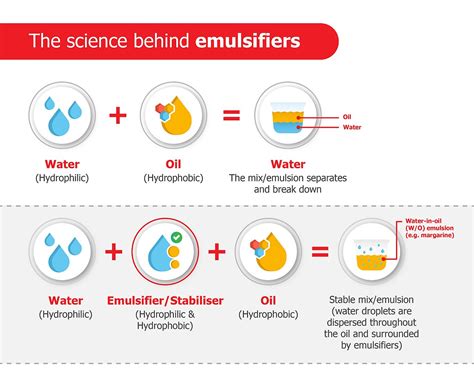
Another important component is a simple alkane, often derived from vegetable sources today, which acts as a helper ingredient to facilitate the mixing of water and oil. This ingredient is valued for its ability to create a smooth and luxurious skin feel.
Emollients and Humectants
A light emollient that imparts a soft and smooth texture to the skin is often included. This ingredient provides a fresh, gliding sensation with a powdery or soft after-feel, serving as a popular alternative to silicones. It is also described as a glycerin-based humectant and emollient, contributing to a smooth and luxurious skin experience.
The Power of Rose
While roses are cherished as ornamental plants, their application in skincare involves a nuanced understanding. The oil content in rose is notably low, necessitating a vast quantity of rose flowers for the distillation of rose essential oil. This scarcity, coupled with its exquisite and inimitable scent, makes rose essential oil a costly ingredient, highly prized by the high-end perfume industry.
Despite its expense, rose oil offers significant benefits. It contains over 95 compounds, including flavonoids, anthocyanins, vitamin C, and quercetin. These constituents are recognized for their medicinal properties and potent antioxidant effects. Furthermore, rose essential oil possesses antimicrobial properties.

Antioxidants
A common form of vitamin E used in cosmetics is tocopherol. This ingredient is a well-known antioxidant that helps protect the skin from environmental damage. It is considered a classic and reliable component in skincare formulations.
Summary of Key Ingredients
A typical rose cleansing oil formulation may include:
- Water: Purified and deionized, serving as the primary solvent.
- Mild Cleansing Agent: Derived from coconut/palm kernel oil and glycerin, acting as a solubilizer.
- Emollient: Provides a smooth skin feel and acts as a silicone alternative.
- Emulsifier: Helps oil and water to mix.
- Rose Essential Oil: Valued for its scent, antioxidant, and antimicrobial properties.
- Vitamin E (Tocopherol): A potent antioxidant.