As the summer months arrive, keeping your home cool and comfortable, and protecting your hair from the elements, becomes a priority. This guide offers comprehensive strategies for managing indoor temperatures, safeguarding your belongings, and maintaining healthy hair, even in the most challenging summer conditions.
Optimizing Your Home Environment
Efficient Air Conditioning and Cooling
If you have central air conditioning or a window unit, ensure it's serviced before summer begins. Regularly cleaning or replacing air conditioner filters is crucial for maximum efficiency. For those in dry climates, evaporative air conditioning units, also known as swamp coolers, offer a more sustainable and cost-effective alternative. These units work by evaporating water from wet filter pads, which draws heat from the air and humidifies it, potentially reducing room temperatures by 5 to 15 degrees. To enhance airflow when using swamp coolers, keep doors open throughout your home. However, be mindful of the added moisture, which can promote mold and mildew growth; regular cleaning and pad replacement (three to four times a year) are essential.
Leveraging Fans for Air Circulation
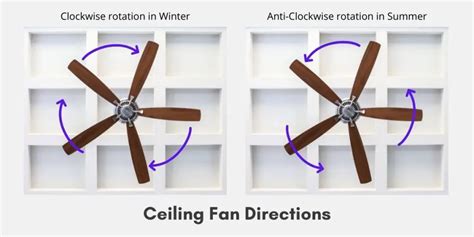
When air conditioning isn't an option, electric fans can help cool your space by facilitating sweat evaporation. A creative method to enhance cooling is to place a shallow bowl of ice in front of a fan, creating a cool mist. During extreme heat, position fans to either exhaust hot air from rooms or draw in cooler air. In multi-story homes, placing fans at the base of stairs and tilting them upwards can circulate cooler air from lower levels to upper floors. It's important to note that electric fans do not prevent heat-related illnesses in rooms reaching the mid-90s Fahrenheit or higher; they may offer comfort but do not lower the ambient temperature. For ceiling fans, ensure they rotate counterclockwise during warmer months to push air downwards, a simple adjustment that can significantly impact comfort. A switch on the fan's base allows for easy direction changes.
Window Treatments for Heat Reduction
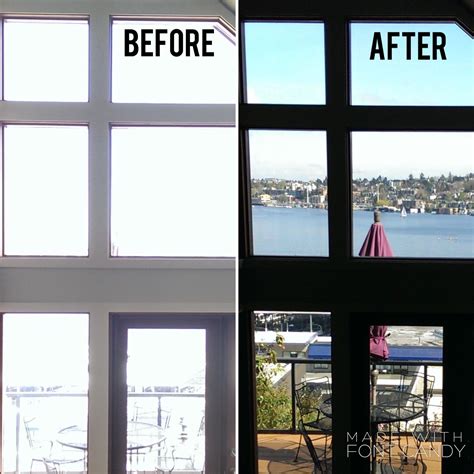
Covering south and west-facing windows with drapes, darkening shades, roller shades, awnings, or louvers can significantly reduce direct sunlight and limit indoor temperature increases. Outdoor awnings and louvers are particularly effective at blocking heat compared to indoor treatments. Applying reflective window film is another excellent strategy. These films allow light to enter while reflecting a substantial portion of the sun's heat away from your home and can block up to 99% of harmful ultraviolet (UV) rays.
Strategic Window and Door Management
Before opening windows, assess outdoor temperatures and air quality. Close windows if the outside air is hotter than the inside. Screens can prevent pests from entering. To concentrate cooling efforts, close doors and vents in unused rooms, and consider using towels to seal the bottom of doors.
Inspecting and Sealing Drafts
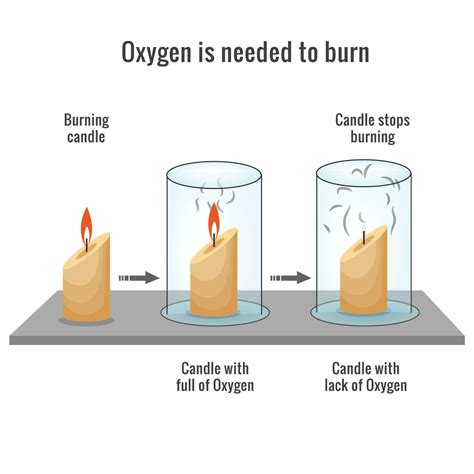
According to the EPA, 25-40% of a home's heating and cooling energy can be lost through cracks around doors and windows. To check for drafts, carefully hold a lit candle near door and window frames; a flickering flame indicates a leak. For doors, try pulling a piece of paper from under the seal; if it slides out easily, the weather stripping may need replacement.
Minimizing Heat-Producing Appliances
On hot days, reduce the heat generated by appliances. Opt for grilling outside or using the microwave instead of the oven or stovetop. Drying clothes outdoors on a clothesline can also help keep your home cooler.
Upgrading Lighting
Switching from incandescent and halogen bulbs to LED bulbs can reduce heat output. Additionally, turning off unnecessary lights contributes to a cooler indoor environment.
Exterior Heat-Reducing Updates
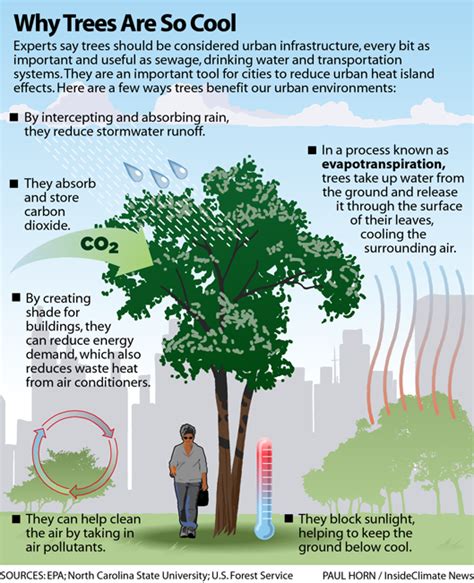
Planting trees and shrubs on the south and west sides of your home can significantly reduce temperatures. Urban greenery can lower daytime temperatures by up to 7°F and nighttime temperatures by up to 22°F. Consider using porous pavement, pavers, or crushed rock for driveways, sidewalks, and patios instead of cement or blacktop. These permeable surfaces allow rainwater to absorb into the ground, reducing pollution and stormwater runoff, while also contributing to cooling through evaporation.
Roofing and Insulation for Temperature Control
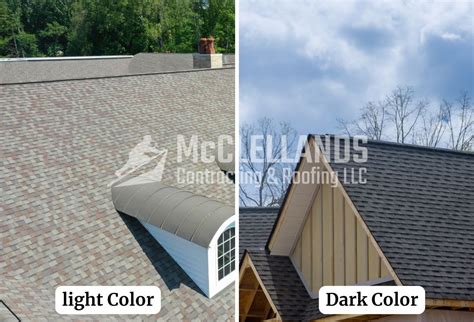
Installing solar panels can convert sunlight into renewable energy and provide shade. Alternatively, opt for lighter-colored roofing materials such as shingles, metal, or other reflective options that bounce sunlight away, keeping your attic and home cooler. Dark-colored roofing absorbs sunlight and increases indoor temperatures.
Insulation is critical for preventing heat transfer in both directions. It's just as important for keeping heat out in the summer as it is for keeping heat in during the winter. Manufactured homes often have less insulation, leading to more extreme indoor temperatures. Spray foam insulation is recommended for enclosed areas like walls and ceilings to improve thermal performance.
Protecting Vulnerable Individuals
It is crucial to know when to leave your home if temperatures become unsafe. Cooling centers are available nationwide during extreme heatwaves. Younger and older family members, individuals with certain medical conditions or taking specific medications, and those with mobility issues are particularly susceptible to heat-related illnesses.
Hair Care in Summer Heat and Humidity
Hydration is Key
Just like your skin, your hair requires adequate hydration to remain healthy and resilient during the summer. Use a hydrating shampoo and conditioner that contain ingredients like coconut oil, argan oil, or shea butter to replenish moisture and combat dryness.
Utilize Heat Protectants
Before using heat styling tools such as blow dryers or flat irons, apply a heat protectant spray or serum. These products create a barrier between your hair and the heat, minimizing the risk of breakage and split ends. Ensure even application, focusing on the ends of your hair.
Product Spotlight: Heat Protectants
Living Proof Perfect Hair Day Heat Styling Spray is a lightweight aerosol that functions as a heat protectant and styling spray. It contains polymers and emollients to smooth the hair cuticle and control frizz, suitable for damp or dry hair, and protects up to 450°F. However, its fragrance may be strong for some.
Kristin Ess Style Assist Blow-Dry Mist is a lightweight, affordable spray that claims to cut drying time while providing heat protection. It protects up to 450°F and is designed for damp hair only. It has a strong signature scent.
Sutra Heat Guard Blowout Cream is a thick, nearly fragrance-free cream intended to protect up to 450°F and reduce drying time. Some users reported a drying effect.
Mane Temp Check is a spray with a cheerful design and scent, offering heat protection. It may be too drying for some hair types.
The Rootist BioBrew Fermented Leave-In Repair Serum uses a fermented botanical blend for scalp and hair nutrients. While an interesting concept, its standard properties like frizz reduction were not exceptional, especially given the price and quantity.
IGK Good Behavior Supreme Seal Smoothing Serum is recommended as a finishing product for dry ends but can be difficult to apply evenly as a regular heat protectant.
R+Co On a Cloud Bond Building Repair and Styling Oil is praised as a styling and finishing oil, offering heat protection up to 450°F, but not ideal as a primary heat protectant.
Verb Hydrate Oil is a 450°F protective, serum-like product that may leave hair slightly oilier. Online reviews mention issues with malfunctioning pump bottles.
Function of Beauty Smooth With It Blowout Mist is a Target-exclusive spray fortified with argan and Tsubaki oils. It has an opaque, cream-like consistency that can be heavy but visibly reduces frizz and leaves hair soft.
Remilia Rice & Shine Leave-in Conditioner is a hydrating, heat-protective spray that did not significantly address frizz in testing.
Jess & Lou Protect Thermal Protect Mist is a sustainably sourced, natural, and organic spray but only offers protection up to 350°F, which is too low for many styling tools, and performed poorly on frizz.
Goddess BioTech Blowout is a leave-in cream that performed adequately but required a significant amount to control frizz, making it expensive for its size.
L'ange Glass Hair is a heat-activated primer that promises high shine but did not deliver in testing, though it functions as a serviceable heat protectant.
Marc Anthony Grow Long Anti-Frizz Shield Ultimate Blowout is an affordable anti-frizz spray that did not perform as well as other options in its price category for curly hair.
Raw Sugar Multi Miracle Leave-in Conditioner has a pleasant bottle design but did not perform well on frizz.
Biolage Thermal Setting Spray can be used on damp or dry hair but may leave some hair stiff. Online reviews suggest it can be effective for setting curls.
Emi Jay Heavenly Hair Milk is a lightweight heat protectant and detangler that also acts as an anti-frizz product, potentially reducing drying time. Its scent has been compared to Play-Doh by some.
Moroccanoil Perfect Defense Heat Protectant is an extremely lightweight spray that protects up to 450°F and can be used on wet or dry hair. It has a scent that some may find strong, but it did not dry out hair.
Milk_Shake Lifestyling Amazing Anti-Humidity Spray and Smoothing Cream are functional but did not stand out in testing.
Verb Frizz Defense Smoothing Spray is lightweight and non-drying, making it a good option for straight or wavy hair, but better options exist for curly hair.
John Frieda Frizz Ease Extra Strength Hair Serum is an affordable classic, but its current formula is thinner than previous versions and not among the top picks for frizz reduction.
Reverie Milk Anti-Frizz Leave-in Nourishing Treatment has a pleasant scent and offers heat protection up to 450°F, but better options are available at a lower price point.
Hairstory Primer Smoothing and Moisturizing Protection Mist protects up to 450°F and is designed for use with the Hairstory New Wash Method. Its added benefits may not justify the cost for all users.
IGK Good Behavior Spirulina Protein Smoothing Spray in aerosol form felt drying and had an unpleasant scent.
R+Co Bleu Hypersonic Heat Styling Mist offered good heat protection and frizz-fighting properties but could leave a sticky residue on hands and tools over time.
Brocato Cloud 9 Miracle Repair 3-in-1 Leave-in Conditioning Spray and Blowout Blow Dry Serum did not significantly reduce frizz in testing.
Mane Cotton Candy Dry Texture and Volume Spray protects up to 380°F but had the opposite effect on volume for some users.
Briogeo Farewell Frizz Blowdry Perfection & Heat Protectant Creme made thick, unruly hair more difficult to manage for some users.
Pureology Instant Levitation Mist, designed for color-treated hair, had an overwhelming cologne-like scent.
Milk_Shake Lifestyling Thermo-Protector aerosol spray felt drying and amplified frizz, without adding noticeable shine.
FoxyBae Cool AF Heat Protectant + Biotin is a visually appealing pump spray that can be used on wet or dry hair, but was greasy on dry hair and less effective than other brands.
Chi 44 Iron Guard is a drugstore option that protects from heat and reduces frizz, but can leave a sticky residue.
Neqi Diamond Glass Styling Spray did not significantly reduce frizz in testing.
How Heat Protectants Work
Most heat protectants use ingredients like copolymers or silicones to coat the hair shaft, slowing heat conduction. They also often contain moisturizers to smooth the cuticle and reduce frizz. It's important to remember that heat protectants can only slow, not entirely prevent, heat damage; using the lowest effective heat settings for the shortest duration is crucial.
Embrace Air Drying
On hot and humid days, allow your hair to air dry to minimize heat exposure and reduce frizz. For curly or wavy hair, scrunching in a curl-enhancing product while damp can define natural texture.
Seal Your Strands
Use a leave-in conditioner or hair oil to lock in moisture and prevent frizz. These products create a protective barrier, keeping humidity at bay and leaving hair smooth and shiny. Apply a small amount to damp or dry hair, focusing on the mid-lengths and ends.
Opt for Protective Styles
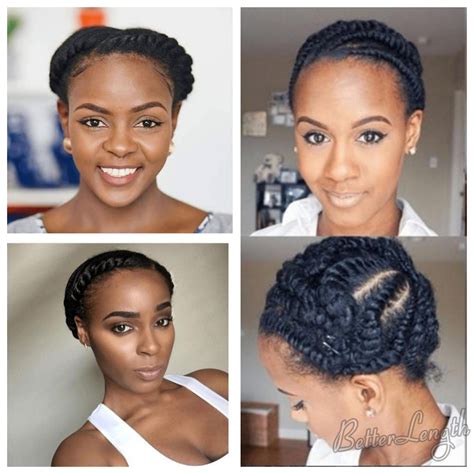
Braids, buns, or ponytails can shield your hair from heat and humidity, keeping it off your face and neck. Experiment with various braided or twisted styles to stay cool and stylish.
Invest in Anti-Frizz Products
Combat frizz and flyaways with products specifically formulated for humid conditions, such as serums, creams, or sprays containing smoothing ingredients like silicone or keratin.
Protect Hair from the Sun
Wear a wide-brimmed hat or scarf to shield your hair from direct sunlight when outdoors. Hair products with UV protection can also help minimize sun damage.
Maintain Hair Hygiene
Wash your hair regularly with a gentle shampoo to remove sweat and product buildup, but avoid overwashing, which can strip natural oils. Aim to wash hair every 2-3 days, or as needed based on hair type and activity level.
Avoid Over-Styling
Minimize the use of heat tools and excessive products during the summer to keep hair healthy and light. Embrace your natural hair texture.
Use a Silk or Satin Pillowcase
Silk or satin pillowcases create less friction than cotton, helping to keep hair smooth and tangle-free, and maintain moisture levels.
Trim Regularly
Regular trims every 6-8 weeks are essential for preventing split ends and promoting healthy hair growth, especially during the summer.
Consider Deep Conditioning Treatments
Weekly deep conditioning treatments restore moisture and strength. You can use store-bought products or create your own with natural ingredients like avocado, honey, and coconut oil.
Minimize Chemical Treatments
Limit chemical treatments like coloring or perming during the summer, as they can weaken hair and make it more susceptible to damage. If treatments are necessary, follow up with intensive conditioning.
By implementing these strategies, you can protect your hair from the damaging effects of heat and humidity, ensuring it remains healthy, vibrant, and manageable throughout the summer. Hydration, protection, and minimal styling are key to achieving great summer hair.