Dark spots, also known as hyperpigmentation, can be an inevitable concern for many individuals. These spots occur when the skin produces excess melanin, the natural pigment that gives skin its color. Various factors can contribute to their appearance, including acne scars, prolonged sun exposure, aging, and even nutritional deficiencies. However, sun exposure is a primary culprit for most dark spots.
Understanding the nature of dark spots is the first step in effectively managing them. Board-certified dermatologist Dr. Michele Green explains that when skin is exposed to the sun, it naturally produces melanin to block UV radiation. While this process leads to tanning, it can also result in an uneven increase in melanin production. This excess melanin can clump together, creating the appearance of dark spots.
In essence, dark spots are a manifestation of hyperpigmentation. While many dark spots, such as those caused by sun or aging, are preventable with diligent SPF protection and sun avoidance, it's crucial to consult a dermatologist if you notice any new spots that change in size or color, to rule out skin cancer. Regular skin exams are recommended to ensure any suspicious changes are identified promptly.
Understanding Dark Spots and Hyperpigmentation
What are Dark Spots?
Dark spots, or hyperpigmentation, are areas of skin that appear darker than the surrounding skin due to an overproduction of melanin. Aesthetic physician Dr. Glenicia Nosworthy clarifies that melanin is the pigment responsible for skin color.
The Different Types of Dark Spots-And Why They Occur
There are several types of dark spots, each with its own cause:
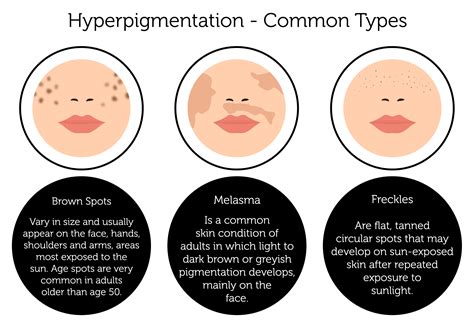
- Sunspots or Solar Lentigines: These typically develop from prolonged exposure to UV radiation and are commonly found on sun-exposed areas like the face, hands, shoulders, and arms.
- Post-Inflammatory Hyperpigmentation (PIH): This occurs after skin trauma or inflammation, such as from acne, eczema, or psoriasis flare-ups. The injured area may appear darker once healed.
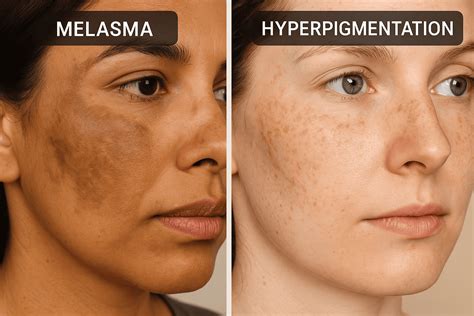
- Melasma: Characterized by symmetrical, blotchy, brownish facial pigmentation, melasma often appears on the forehead, cheeks, and upper lip. It is linked to hormonal changes and sun exposure, being more prevalent in women, especially during pregnancy or while using hormonal contraceptives.
- Age Spots or Liver Spots: Similar to sunspots, these are flat brown or black spots resulting from long-term sun exposure.
Which Skin Types Are Most Prone to Developing Dark Spots?
While anyone can develop dark spots, the specific types and triggers can vary. Fair-skinned individuals may be more susceptible to sunspots from cumulative UV exposure. Conversely, individuals with darker skin tones are more prone to post-inflammatory hyperpigmentation due to increased melanin production following skin trauma or inflammation.
Furthermore, those with hormonally-sensitive skin (e.g., pregnant individuals or those on hormonal contraceptives) and individuals prone to eczema or psoriasis are also more likely to develop dark spots like melasma or PIH due to hormonal fluctuations or skin inflammation.
Treating and Preventing Dark Spots on Darker Skin Tones
Is It Possible to Get Rid of Dark Spots Entirely?
Yes, it is possible to significantly reduce and even eliminate dark spots. The key is to develop a consistent skincare routine that not only actively targets existing discoloration but also focuses on prevention. As Dr. Marisa Garshick emphasizes, "The most important thing is to remember sun protection."
How to Get Rid of Dark Spots on Darker Skin Tones?
Hyperpigmentation is a common concern for patients of color, often occurring after trauma that stimulates melanin-producing cells. Board-certified dermatologist Ashley Patterson recommends gentle exfoliation using products with alpha-hydroxy and beta-hydroxy acids to reveal a more radiant complexion.
Dr. Rosemarie Ingleton, a dermatologist with over 20 years of experience, notes that many patients with darker skin tones tend to over-exfoliate. She stresses that while exfoliation is beneficial, physical exfoliation with granules or abrasive pads can be too harsh and may worsen skin conditions, especially in melanin-rich skin. Chemical, granule-free exfoliation, particularly with fruit acids like glycolic acid, is recommended. For those new to exfoliation, a glycolic acid face wash can help the skin adjust, gradually progressing to leave-on formulas.
Individuals prone to eczema, psoriasis, or rosacea, or those with very sensitive skin, may need to opt for exfoliants with polyhydroxy acids (PHAs) instead of AHAs.
What Treatments Help Get Rid of Dark Spots?
A comprehensive approach involving daily protection and targeted treatments is crucial. Dermatologists recommend a combination of strategies:
1. Always Apply SPF
"Your first line of defense is always going to be sunscreen. Everyone should wear at least SPF 30 on their face daily and reapply every two hours if outside in the sun, or sitting next to a window," advises Dr. Corey L. Hartman.
Key recommendations include:
- EltaMD UV Clear Broad-Spectrum SPF 46: A lightweight, oil-free sunscreen suitable for all skin types, including acne-prone and sensitive skin. It contains sodium hyaluronate and lactic acid for hydration and pore clarity.
- La Roche-Posay Toleriane Double Repair Face Moisturizer SPF 30: Formulated with ceramide-3, niacinamide, and glycerin, this moisturizer offers broad-spectrum SPF 30 protection.
- Supergoop! Unseen Sunscreen SPF 40: Known for its transparent finish, this sunscreen protects against blue light and boosts hydration.
- Habit N°41 Mister: A convenient spray formula offering antioxidant protection, skin toning, and inflammation reduction.
Tinted sunscreens are particularly beneficial for preventing hyperpigmentation and melasma as they block visible light from both the sun and artificial sources.
Aesthetician shares sunscreen MISTAKES to Avoid ( HOW TO APPLY SUNSCREEN CORRECTLY)
2. Consider Antioxidant-Rich Products
Antioxidants are essential for reducing free radicals that can contribute to hyperpigmentation. Look for ingredients like vitamins A, C, and E, ferulic acid, resveratrol, and niacinamide.
- Eadem Milk Marvel: Praised for fading post-acne dark marks and preventing future hyperpigmentation.
- SkinCeuticals C E Ferulic: Recommended for its environmental protection benefits.
- BeautyStat Universal C: A cosmetic chemist-formulated serum to prevent signs of aging without oxidizing.
- Isdin Sunisdin sun capsules: Help the skin fight photoaging and UV rays while boosting radiance and elasticity.
3. Reach for Retinol or Retin-A
Topical retinoids, including retinol, are effective in gently exfoliating the skin and fading hyperpigmentation. While prescription-strength retin-A (tretinoin) is potent, over-the-counter retinol offers similar benefits, though it may take longer to see results.
Recommended retinol products include:
- SkinMedica Age Defense Retinol Complex .25: Paired with the brand's PhytoShield Complex to minimize irritation and improve skin texture.
- SkinCeuticals Retinol 0.3: A good starting point for those new to retinoids, with soothing ingredients to prevent side effects.
- CeraVe Skin Renewing Retinol Serum: Features encapsulated retinol to combat discoloration and smooth fine lines, with ceramides to protect the skin barrier.
- Curology Future-Proof Rx: A customized prescription-strength option tailored to individual skin needs.
4. Incorporate Gentle Exfoliants
Exfoliants with active ingredients like AHAs (glycolic, mandelic, lactic acids) help remove the top layer of skin, treating dark spots and moisturizing simultaneously.
- Sunday Riley Good Genes All-In-One Treatment: A lactic acid-packed serum for exfoliation and brightening.
- Dr. Dennis Gross Alpha Beta Universal Daily Peel: Supercharged towelettes with exfoliating acids to reduce discoloration.
- ROSE Ingleton MD SuperFruit Exfoliating Tonic (8%): A recommended leave-on glycolic acid treatment.
- Replenix Glycolic Acid 10% Resurfacing Peel: Another effective glycolic acid option for improving skin tone and texture.
5. Try Specialized Treatments
Targeted treatments can provide extra care for stubborn dark spots.
- Cyspera Intensive System: Recommended for patients with hyperpigmentation, especially those of color, due to its active ingredient, cysteamine, which effectively treats all skin tones.
- Topicals Faded Serum: A popular serum containing tranexamic acid, azelaic acid, and niacinamide to reduce dark spots and scarring.
- Ourself Daily Dark Spot Intercept: A non-irritating formula with vitamin C and niacinamide to intercept melanin production and lighten existing spots.
- Hero Cosmetics Micropoint for Dark Spots: Patches that deliver ingredients like vitamin C and tranexamic acid deep into the skin to fade post-blemish marks.
6. Wear Sun-Protective Clothing
Beyond sunscreen, additional sun protection measures are vital.
- Sunglasses and Wide-Brimmed Hats: Essential for protecting the eyes and scalp.
- UPF Clothing: Options like the Lululemon shirt offer UPF 40+ protection.
- Bluestone Sunshields: Provide extra protection against sun exposure.
What is the Difference Between Age Spots and Dark Spots?
Age spots, also known as liver spots, are a type of dark spot. Both are flat, brown or black spots that appear on the skin as a result of long-term sun exposure. The term "dark spots" is a broader category that encompasses various forms of hyperpigmentation, including sunspots, age spots, melasma, and post-inflammatory hyperpigmentation.
Can You Get Rid of Dark Spots Fast?
While some treatments can yield noticeable results relatively quickly, achieving complete elimination of dark spots often requires consistent effort over weeks or even months. Patience and adherence to a targeted skincare regimen are key. Ingredients like vitamin C and AHAs can offer faster brightening effects, while retinoids and more specialized treatments may take longer to show significant improvement.
Can You Get Rid of Dark Spots Naturally?
While some natural ingredients may offer mild benefits, professional dermatological treatments and scientifically-backed skincare products are generally more effective for treating significant hyperpigmentation. Prevention through sun protection remains the most crucial "natural" approach.