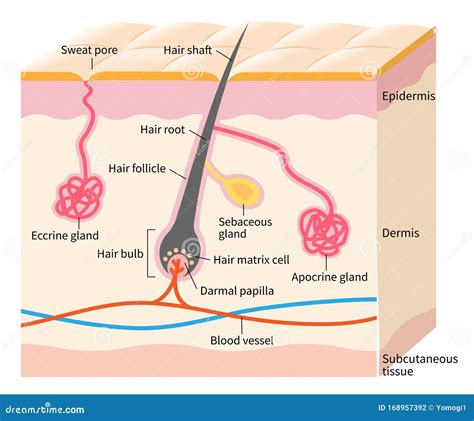
Acne is a common inflammatory skin condition characterized by pimples, which typically affects the face, back, and chest. It develops when the oil-producing glands adjacent to hair follicles produce an excessive amount of sebum, an oily substance. This excess sebum fosters the growth of a bacterium known as P. acnes. An overgrowth of this bacterium leads to inflammation of the hair follicle and its filling with pus. Acne is often linked to hormonal changes, making it more prevalent during puberty or pregnancy, though it can occur at any age.
Types of Acne Lesions
There are six primary types of acne lesions, varying in severity:
- Blackheads: Small black bumps on the skin; squeezing them empties their contents.
- Whiteheads: Similar to blackheads but their contents cannot be emptied by squeezing.
- Papules: Small, red, tender bumps.
- Pustules: Resemble papules but have a white, pus-filled center.
- Nodules: Large, hard, painful lumps that form under the skin's surface.
- Cysts: Large, pus-filled lumps similar to boils; these are the most severe type and carry the highest risk of scarring.
Choosing the Right Acne Soap or Cleanser
When selecting an acne soap or cleanser, several factors are crucial for effective treatment and to avoid irritation. Soaps generally have a high pH level, which can be harsh on the skin. It is often recommended to opt for soap-free cleansing products with a pH around 5.5, which is closer to the skin's natural pH. Dermatologists may suggest antibacterial face washes for mild acne, but these can be too strong for sensitive skin.
Key Factors to Consider:
- Ingredients: Look for ingredients known to combat acne. Common recommendations from the American Academy of Dermatology include:
- Salicylic acid
- Retinoids
- Benzoyl peroxide
- Sulfacetamide
- Azelaic acid
- Tea tree oil
- Alpha hydroxy acids (AHAs) like glycolic and lactic acid
- Skin Type: Ensure the product is compatible with your specific skin type (oily, dry, combination, sensitive).
- Allergies and Sensitivity: For sensitive skin, opt for fragrance-free products to minimize irritation.
The effectiveness of a cleanser is the first step in managing acne, but it may not be the only tool needed. Based on your skin type and the severity of acne, other skincare products might be beneficial.

Understanding Acne Cleansers vs. Washes
The terms "cleanser" and "wash" are often used interchangeably to describe liquid soaps for the skin. Cleansing lotions, for example, are mild and can be wiped off without water, often containing moisturizing ingredients. Washes utilize surfactants to clean the skin's surface.
For oily, acne-prone skin, it's advisable to avoid cleansers containing any type of face oil and alcohol-based cleansers, as they can increase oil production. For dry, acne-prone skin, gentler acne-fighting ingredients in lower concentrations (e.g., 2% salicylic acid or 2.5% benzoyl peroxide) are recommended. Creamy face washes are preferable to gels and foaming cleansers, which can strip moisture. Avoid sulfates, scented products, and "unscented" products that may contain masking chemicals; instead, look for "fragrance-free" options.
How to Use Acne Soaps and Cleansers
Proper usage of anti-acne soap is essential for efficacy and to prevent irritation. For facial use, apply the soap in the morning and evening, as the skin continuously produces sebum and impurities. For other acne-affected areas like the back, daily use during a shower is typically sufficient. It's important not to use an excessive amount of soap, as this does not enhance effectiveness and can lead to skin irritation.
If the soap is rinse-off, ensure thorough rinsing. After washing, gently pat the skin dry with a soft towel. Rubbing can cause irritation, and scrubbing blemishes will not speed up their healing.
Recommended Acne Cleansing Products
Several products are available, catering to different needs and skin types:
- Cetaphil Gentle Cleansing Bar: A soap-free, glycerin-based cleanser suitable for dry and sensitive skin, designed to cleanse without stripping natural oils.
- The Yellow Bird Activated Charcoal Soap Bar: A vegan option with activated charcoal, lemongrass, and lavender, formulated to draw oil from the skin and reduce clogged pores.
- Beessential All Natural Tea Tree Small Batch Bar Soap: Recommended for oily and acne-prone skin, this soap aims to reduce redness and inflammation.
- Joesoef Anti-Acne Soap: Contains precipitated sulfur and is marketed for its antibacterial, antifungal, and antiseptic properties.
- DermaHarmony Sulfur and Salicylic Acid Bar Soap: Suitable for acne and dandruff, it contains sulfur and salicylic acid and includes a soy-derived odor eliminator.
- Neutrogena Transparent Facial Bar: A hypoallergenic, transparent bar that removes excess oil without leaving residue.
- Vanicream Z-Bar: Formulated with pyrithione zinc to relieve itching, flaking, and redness, often used as a shampoo for dandruff.
- Clinique Acne Solutions Cleansing Bar: A gluten-free bar with salicylic acid to unclog pores and reduce breakouts, tested for allergies.
When trying new products, it is best to introduce them one at a time and wait a few weeks to observe the skin's reaction. Significant improvements may take four to eight weeks.
| Product Name | Key Ingredients | Target Concerns | Price Range |
|---|---|---|---|
| Cetaphil Gentle Cleansing Bar | Glycerin | Dryness, Sensitivity | $18.98+ |
| The Yellow Bird Activated Charcoal Soap Bar | Charcoal, Lemongrass, Lavender | Acne, Blackheads, Eczema, Psoriasis | $9.95 |
| Beessential All Natural Tea Tree Soap | Tea Tree Oil | Redness, Inflammation, Oily Skin | $6.99 |
| Joesoef Anti-Acne Soap | Precipitated Sulfur | Acne, Antibacterial | $35.97 (3-pack) |
| DermaHarmony Sulfur and Salicylic Acid Bar Soap | Sulfur, Salicylic Acid | Acne, Dandruff, Rosacea | $7.89 |
| Neutrogena Transparent Facial Bar | Tea Stearate, Glycerin, Triethanolamine | Excess Oil, General Acne | $7.02 |
| Vanicream Z-Bar | Pyrithione Zinc | Itching, Flaking, Redness, Dandruff | ~$11 |
| Clinique Acne Solutions Cleansing Bar | Salicylic Acid | Clogged Pores, Breakouts | $18 |
Additional Skincare Routine Tips
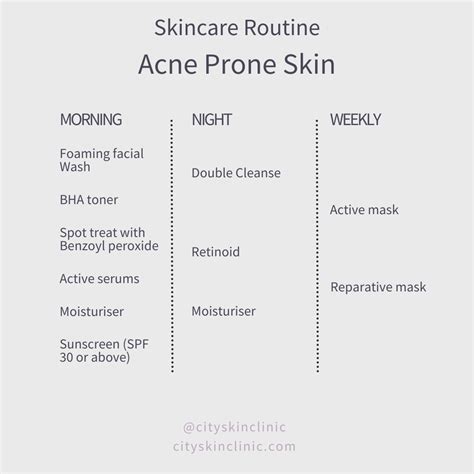
Beyond cleansing, a comprehensive acne management routine includes:
- Applying acne medication: A thin layer all over the face, not just on active pimples.
- Moisturizing: Use a non-comedogenic moisturizer to keep skin hydrated, especially when using drying acne treatments.
- Sunscreen: Apply a broad-spectrum sunscreen with SPF 30 or higher daily to protect skin from sun damage and prevent hyperpigmentation.
- Toners: Can help remove residual makeup or dirt and prepare skin for other products.
- Exfoliators: Mild exfoliators can remove dead skin cells, but avoid harsh scrubs.
- Serums: Overnight serums can provide targeted treatment and hydration.
A typical morning routine involves washing, toning (optional), applying acne medication, and then moisturizer and sunscreen. The evening routine includes makeup removal, washing, applying serum (optional), moisturizer, and then spot-treating pimples.
When to See a Dermatologist
If over-the-counter products do not yield results within three months, or if you experience persistent or worsening acne, it is advisable to consult a dermatologist. Seek immediate professional help for acne scars, painful nodules, or deep cysts. Dermatologists can prescribe topical medications, oral treatments (like antibiotics, oral contraceptives, or isotretinoin), and recommend therapies such as chemical peels or photodynamic therapy.
Note: This information is research-based and was accurate at the time of publication. Always consult with a healthcare professional for personalized advice regarding your skin condition.