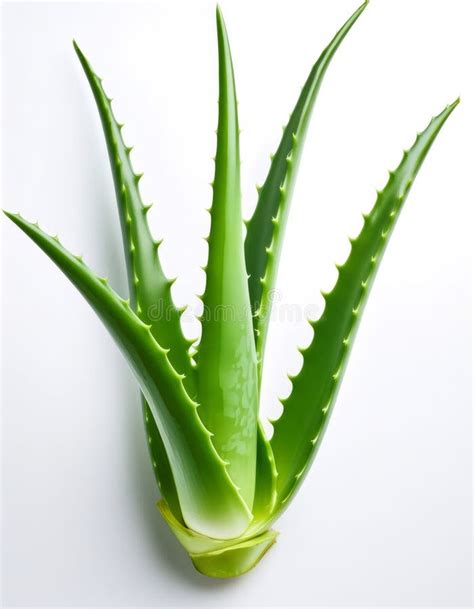
Aloe vera is a common household plant renowned for its remarkable skin-healing properties. Applying a small amount of aloe vera gel to the face regularly can assist in managing various skin conditions, including acne, eczema, and sunburn. This versatile plant, often found in desert regions worldwide, produces a gel rich in vitamins A, C, E, and B12. You can utilize the gel directly from a fresh aloe vera plant or opt for a bottled variety available at health stores. This article delves into the extensive benefits of using aloe vera for facial skin, exploring its applications, the conditions it treats, and any potential risks.
The Multifaceted Benefits of Aloe Vera for Skin
The anti-inflammatory properties of aloe vera are key to its efficacy. It can help reduce pain, swelling, and soreness associated with wounds or injuries. Furthermore, aloe vera supports the production and release of collagen, a crucial protein for skin elasticity and repair. This contributes to faster wound healing times and can limit scarring. Its ability to reduce the healing time of first-degree and second-degree burns, including sunburns, is particularly noteworthy. Aloe vera may also help treat fungal and bacterial infections and provides protection against the damaging effects of radiation therapy.
Primarily composed of water, aloe vera gel excels at moisturizing, soothing, and hydrating the skin. This hydration makes the skin more flexible and supple, preventing it from feeling stiff or strained. It offers a cooling effect that is especially beneficial for rashes or sunburns. Historically, people have utilized aloe vera for centuries as a complementary treatment for a wide array of skin disorders and injuries, including:
- Acne
- Sunburn pain and swelling
- Minor burns
- Cuts or skin wounds
- Fungal infections (e.g., ringworm, tinea versicolor)
- Eczema (atopic dermatitis)
- Rosacea
- Sun or chemically damaged skin/wrinkles
- Bug bites
Choosing and Extracting Aloe Vera Gel
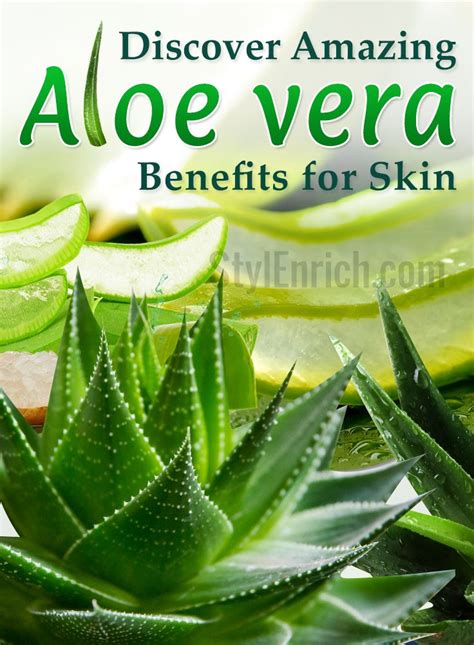
When purchasing aloe vera products, it's advisable to avoid those with added ingredients like alcohol or other chemicals, as these can irritate the skin. The most straightforward way to obtain fresh aloe vera gel is by keeping a plant at home. Aloe vera plants are commonly available from local garden stores or online. While there are over 420 species of aloe, most aloe-based products utilize gel from the Aloe barbadensis miller plant.
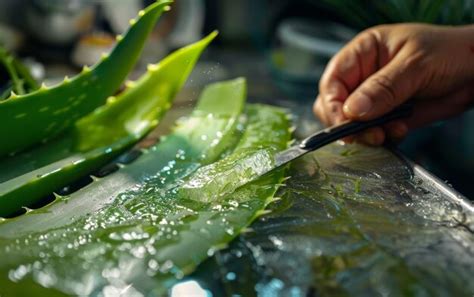
To extract raw aloe gel from the plant’s leaves, follow these steps:
- Use a sharp, clean knife to cut off a leaf from the plant as close to the root as possible.
- Rinse the leaf and lightly pat it dry.
- Place the cut side down in a bowl for about 15 minutes to allow the yellow aloe vera latex to drain out. Discard the latex.
- Cut off the narrow, pointed end from the top of the leaf.
- Drain the latex again if necessary.
- Press the leaf to help it soften.
- Cut off the ‘spines’ from both sides of the plant as close to the edge as possible.
- Lay the leaf flat and slice it down the center from tip to tip, or for larger leaves, cut off the outer green layer.
- Gently scoop out the gel using a spoon or knife blade. Very large aloe leaves may contain solid blocks of gel.
- Wash the gel carefully to remove any residue.
- Place the gel in a sealable container and refrigerate before use.
Store the container of gel in the refrigerator for up to 2 weeks, or freeze the aloe vera gel in ice cube trays for longer storage.
Safe Application and Potential Risks
Before using aloe vera as a complementary treatment for skin conditions, it is crucial to consult with a doctor. Always perform an allergy patch test before applying aloe vera to your face. Apply a small amount of gel to the inside of your wrist and wait 24 hours to check for any reaction. If the skin becomes itchy, swollen, or changes color, do not apply aloe vera to your face.
Applying aloe vera gel to the face is generally not associated with severe health risks. However, some individuals might experience an initial stinging or burning sensation, particularly on dry or sensitive skin. Leaving aloe vera gel on the face for extended periods might cause it to dry out; rinsing the gel off after a few minutes can help prevent this. In rare cases, some people may experience an allergic reaction (contact dermatitis) to topical aloe vera. Performing a patch test beforehand is always recommended to check for sensitivity.
How to Use Aloe Vera for Various Skin Concerns
Anecdotal evidence suggests several effective ways to incorporate aloe vera into your skincare routine:
Face Wash
After washing your hands, use your fingertips to apply a small amount of aloe vera gel to your face. Gently cleanse the face in a circular motion, ensuring all skin is covered. Rinse with cool water and pat dry. Follow with an aloe vera skin toner for enhanced benefits.
Skin Toner
To create an aloe vera skin toner, mix 2 parts water with 1 part aloe vera gel. Pour the mixture into a clean, airtight bottle and store it in the refrigerator. Shake well before applying the toner to your face using a fresh cotton ball.
Insect Bite Treatment
Wash the affected area well with soap and water, then pat dry. Cover the area with aloe vera and leave it on the skin for 15 to 20 minutes. Reapply as needed.
Minor Skin Wounds or Cuts
Wash the area well with soap and water and allow it to dry. Apply a small amount of aloe vera to the wound or cut. Cover the area with a bandage and allow it to heal overnight. Repeat this process the next day if needed.
Antifungal Treatment
Apply a small amount of the gel to the affected area three times a day for 2 weeks.
Moisturizing and Eczema Relief
Apply a small amount of the gel to the face and leave it on for 5 to 10 minutes. Rinse off with cool water and gently pat dry.
Acne Spots and Rosacea
Create an acne solution by mixing 1 tablespoon of aloe vera gel with 2 to 3 drops of fresh lemon juice. Store the mixture in a sealed jar in the refrigerator. After gently cleansing the face, apply a small amount to acne spots and scars once or twice a day. Alternatively, combine aloe vera gel with several drops of tea tree oil. It is important to note that while research suggests essential oils may have health benefits, the Food and Drug Administration (FDA) does not monitor their purity or quality. Consult a healthcare professional before using essential oils and always perform a patch test.
Sunburn Relief
Apply chilled aloe vera gel two or three times a day to the sunburned area. Continue use for several days, or until the skin color returns to normal and inflammation improves. For an alternative, mix 2 parts water with 1 part aloe vera to create a spray. Keep the solution refrigerated and avoid the eyes when using the spray.
Minor Burns
Apply just enough chilled aloe vera gel to coat the burn completely. Cover the burn with a bandage and remove the dressing the next day.
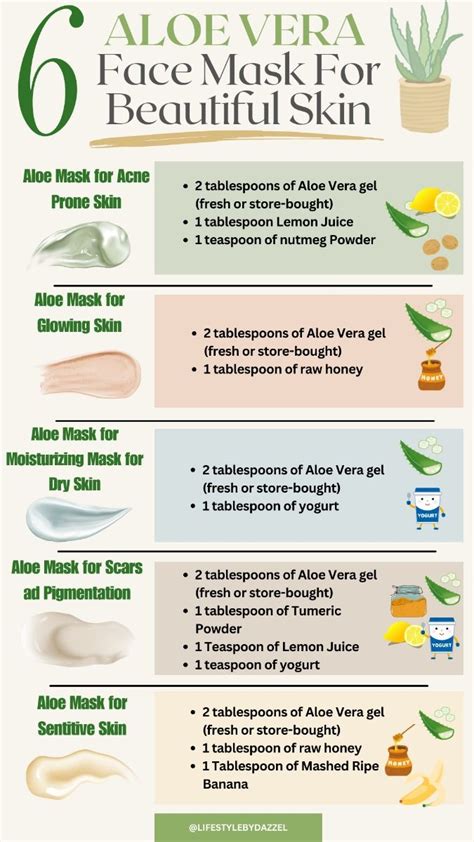
DIY Aloe Vera Masks for Glowing Skin
Aloe vera is an excellent skincare essential that hydrates, moisturizes, and rejuvenates the skin. It repairs the skin and helps eliminate dark spots, making it suitable for all skin types. Its ability to retain water within its fleshy leaves makes it an effective remedy for soothing irritation caused by cuts, sunburns, and insect bites. Here are six ways to use aloe vera for glowing skin:
1. Honey and Aloe Vera Mask
This mask combats skin aging and promotes a glowing complexion. Honey is beneficial for hyperpigmentation and removing dark spots, while also acting as a natural humectant. Aloe vera soothes and moisturizes.
How to make: Mix 1 teaspoon of honey with 2 teaspoons of aloe vera gel. Apply to the face, leave for 10 minutes, and rinse with cold water. For best results, apply weekly.
2. Cucumber and Aloe Vera Mask
Cucumber's cooling properties treat sunburn and insect bites, while cleansing and restoring moisture. Aloe vera enhances suppleness and radiance.
How to make: Blend half a peeled cucumber until watery. Add 2 tablespoons of aloe vera gel and mix until smooth. Apply to the face, leave for 15 minutes, and rinse with water. For best results, apply weekly.
3. Green Tea and Aloe Vera Mask
Green tea helps repair skin cells and reduces fine lines and wrinkles. Aloe vera's polysaccharides and gibberellins aid in new cell growth and reduce inflammation.
How to make: Soak green tea leaves until moistened. Combine equal parts of moistened green tea leaves and aloe vera gel into a paste. Apply to the face, leave for 15 to 20 minutes, and rinse with water. For best results, apply every night.
4. Lemon and Aloe Vera Mask
Lemon is a natural remedy for hyperpigmentation and detoxifies the skin. Aloe vera also detoxifies, flushing out excess sebum, microbes, and dirt.
How to make: Mix 2 tablespoons of aloe vera gel with the juice of one lemon. Apply to the face, leave for 20 minutes, and rinse with lukewarm water. For best results, apply every night.
5. Vitamin E and Aloe Vera Mask
Vitamin E calms burning sensations, speeds healing, and hydrates the skin. Aloe vera's anti-inflammatory, anti-bacterial, anti-viral, and antiseptic properties address skin irritations and infections.
How to make: Pierce a vitamin E capsule and mix the contents with 2 tablespoons of aloe vera gel to form a smooth paste. Apply to the face overnight. For best results, use every night.
6. Rose Water and Aloe Vera Gel Mask
Rose water enhances skin cells and removes impurities. Combined with aloe vera, it creates a perfect mask for skin rejuvenation, offering a fragrant and glowing appeal.
How to make: Mix 2 tablespoons of aloe vera gel with a few drops of rose water. Apply to the face and leave on overnight.
Understanding Aloe Vera's Properties
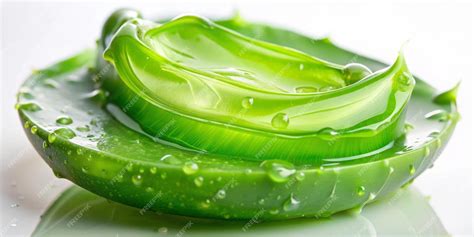
Aloe vera is a succulent plant known for its thick, spiky leaves containing a clear, cooling gel. This gel is widely recognized for its soothing and healing properties, commonly used for sunburns, moisturizing dry skin, and reducing irritation from minor cuts or burns. Its natural soothing, hydrating, and healing properties make it beneficial for various skin types and concerns. Aloe vera helps calm skin irritation, reduce inflammation, and speed up wound healing, making it particularly useful for sunburns, acne, and minor cuts. It is also packed with antioxidants and vitamins that support skin repair and hydration without clogging pores.
Key properties of aloe vera include:
- Natural Cooling and Anti-inflammatory: Effective for calming redness, itchiness, and irritation.
- Skin Regeneration and Healing: Contains compounds that stimulate skin repair, used for sunburns, minor cuts, and burns.
- Excellent Natural Moisturizer: Composed of over 90% water, it deeply hydrates without a greasy residue, ideal for all skin types, including oily and acne-prone skin.
- Antibacterial and Anti-inflammatory for Acne: Helps combat acne by reducing redness, swelling, and bacterial infections.
- Rich in Antioxidants: Contains vitamins C and E, which help fight free radicals responsible for premature aging.
- Potential Skin-Lightening Properties: Certain chemicals like aloin and aloesin may contribute to lightening the skin.
Aloe vera is suitable for most skin types due to its gentle, hydrating, and soothing properties. It is well-known for soothing sunburns and is also great for dry, sensitive, and eczema-prone skin due to its anti-inflammatory and calming effects. While generally safe, in rare cases, it could cause irritation or an allergic reaction, so a patch test is always recommended.
Specific Applications and Considerations
Aloe vera can be beneficial for a range of skin concerns, including sunburn, eczema, hyperpigmentation, and acne. Remember to always perform a patch test and consult a healthcare professional if needed.
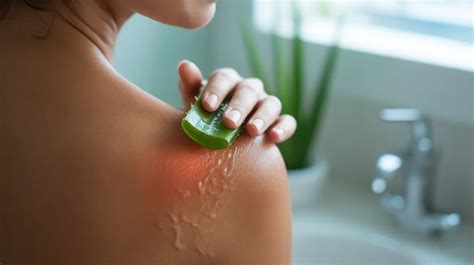
Sunburn: Using aloe vera on sunburned skin can help reduce pain, redness, and peeling, supporting faster and more comfortable healing. For extra soothing, soak a clean cloth in aloe vera gel and apply it to the sunburned skin for 15-20 minutes, reapplying as necessary.
Eczema-Prone Skin: Products containing purified aloe vera extract, like E45 Itch Relief Coolmousse, can help soothe and hydrate eczema-prone skin.
Acne: Aloe vera is an excellent addition to an acne skincare routine due to its anti-inflammatory, antibacterial, and soothing properties. It can be used as a spot treatment by applying gel directly onto acne spots after cleansing, leaving it on for 15-20 minutes or overnight. It also hydrates the skin without clogging pores, useful for those whose skin is becoming dry from acne treatments.
Hyperpigmentation and Dark Spots: Apply aloe vera gel to hyperpigmented areas daily or mix it with a few drops of vitamin C serum. Aloe vera contains compounds like aloin that can help reduce the appearance of dark spots and acne scars by promoting skin cell turnover and gradually lightening discoloration.
Aging and Wrinkles: Aloe vera contains antioxidants like vitamins C and E, which fight free radicals that cause premature aging. It also boosts collagen production, improving skin elasticity and reducing the appearance of fine lines and wrinkles. For acne scars, apply aloe vera directly or mix it with brightening ingredients. Consistent use can help fade dark spots and improve skin texture.
Sensitive Skin: Aloe vera is generally safe for sensitive skin due to its gentle and natural properties, making it suitable for soothing irritation or redness.
Daily Use: Aloe vera is safe for daily use, and its gentle, hydrating nature makes it suitable for everyday skincare routines.
Side Effects: While generally safe, some individuals might experience mild allergic reactions like skin irritation, redness, or itching. Always perform a patch test before widespread application.