Scabies is a contagious skin condition caused by microscopic mites that burrow into the skin, leading to intense itching and a characteristic rash. It spreads primarily through close physical contact, making outbreaks common in settings where people live or work closely together, such as households, schools, and care facilities. Globally, scabies affects approximately 200 million people at any given time, irrespective of race, age, or socioeconomic status.
The onset of scabies symptoms can vary. For individuals experiencing scabies for the first time, symptoms may take 4-8 weeks to develop. For those who have had scabies before, symptoms can appear much faster, typically within 1-4 days.

Symptoms of Scabies
The primary symptoms of scabies are:
- Itching: This is often the most prominent symptom, typically worsening at night and can be severe and intense.
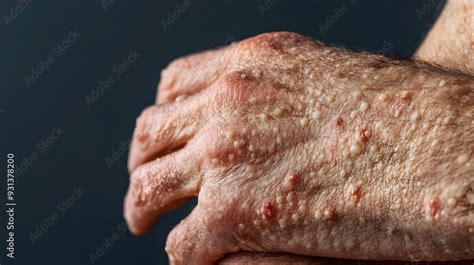
- Rash: When mites burrow into the skin, they create visible tracks or lines, commonly found in skin folds. The rash can resemble hives, bites, knots, pimples, or scaly patches. Blisters may also be present.
- Sores: These can develop in areas where the skin has been scratched due to intense itching. Open sores can lead to secondary bacterial infections, such as impetigo, often caused by Staphylococcus aureus.
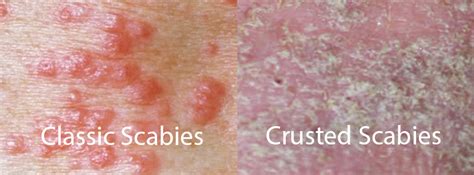
- Thick crusts: In severe cases, known as crusted scabies, the skin develops thick, crumbling crusts containing a large number of mites and eggs.
Common Sites of Infestation
The location of scabies infestations can differ based on age:
- Adults and older children: Commonly affected areas include between the fingers, around the fingernails, armpits, waistline, and the inner parts of the wrists.
- Infants and young children: Infestations tend to occur on the scalp, face, neck, palms of the hands, and soles of the feet.
Types of Scabies
While scabies is caused by the same mite, Sarcoptes scabiei var. hominis (the human itch mite), it can manifest in different forms:
Typical Scabies
This is the most common form of the infestation. It typically causes itchiness on the hands, wrists, and other body areas but usually spares the face and scalp in adults and older children.
Nodular Scabies
Characterized by itchy, raised bumps, nodular scabies usually develops in areas like the armpits, webbing between the fingers, or the genital area. These nodules are thought to be an allergic reaction to the mites.
Crusted Scabies (Norwegian Scabies)
This is a severe and highly contagious form of scabies that occurs in individuals with weakened immune systems, the elderly, or those with disabilities. It involves a massive infestation of mites, leading to thick, grayish, crusty skin plaques that can contain hundreds of thousands to millions of mites and eggs. Unlike typical scabies, itching may be mild or absent in crusted scabies, but its contagiousness is significantly higher due to the large mite load and shedding of skin crusts.
Causes and Transmission
Scabies is caused by the Sarcoptes scabiei var. hominis mite. After burrowing under the skin, the female mite lays eggs in the tunnel. Once hatched, larvae migrate to the skin's surface, spreading across the body or to another host. The mite can survive off a human body for up to 72 hours.
Scabies is highly contagious and spreads through:
- Prolonged skin-to-skin contact: This is the most common mode of transmission, often occurring between family members, sexual partners, or during close caregiving.
- Indirect contact: Sharing infested items such as bedding, clothing, or furniture can also lead to transmission, especially in cases of crusted scabies.
Scabies is not related to poor hygiene or dirty living conditions; anyone can contract it.
Diagnosis of Scabies
Doctors typically diagnose scabies based on the characteristic symptoms and a physical examination of the skin. They look for the tell-tale rash and burrows, particularly in common infestation sites. In some cases, a skin scraping may be performed to microscopically identify mites, eggs, or mite feces to confirm the diagnosis.
Treatment Options
Scabies requires medical treatment and will not resolve on its own. Treatment aims to kill the mites and their eggs.
Prescription Medications
- Topical Medications: The most common treatments are prescription creams, lotions, or ointments applied to the entire body from the neck down (including hands, palms, soles, and sometimes the face and scalp in infants and young children). These are typically left on for 8-14 hours before being washed off. Commonly prescribed topical medications include:
- Permethrin cream (5%)
- Crotamiton cream or lotion
- Benzyl benzoate lotion
- Sulfur ointment
- Lindane lotion (less commonly used due to potential toxicity)
- Oral Medications: For severe cases, crusted scabies, or when topical treatments are ineffective or not feasible, an oral medication like ivermectin may be prescribed. Ivermectin is typically given as a single dose, followed by a second dose one to two weeks later. It is generally not recommended during pregnancy or breastfeeding or for very young children.
Doctor explains SCABIES skin rash, including SYMPTOMS, PHOTOS OF SKIN, TREATMENT & more
Symptomatic Relief
While scabicides kill the mites, the itching may persist for 2-4 weeks due to an allergic reaction to the mites and their waste products. To manage itching:
- Antihistamines: Oral antihistamines can help alleviate itching.
- Steroid creams: Topical corticosteroids may be prescribed for inflammation and itching, though they can sometimes alter the appearance of the rash, making diagnosis more difficult.
- Anti-itch lotions: Lotions containing pramoxine can provide temporary relief.
Home Remedies
While some home remedies are suggested for scabies, it is crucial to consult a doctor before trying them, as their effectiveness is not scientifically proven. Some mentioned include:
- Tea tree oil (may have some antipruritic and acaricidal properties)
- Oatmeal baths (can soothe itchy skin)
- Moisturizers (gentle, fragrance-free products may help with skin dryness)
Preventing Spread and Reinfestation
Preventing the spread of scabies involves several key steps:
- Treat all close contacts simultaneously: Household members and sexual partners should be treated at the same time, even if they do not show symptoms.
- Environmental decontamination: Wash all clothing, bedding, and towels used by the affected person in the three days prior to treatment in hot, soapy water and dry them on a hot dryer cycle. Items that cannot be washed should be sealed in plastic bags for at least 72 hours.
- Vacuuming: Thoroughly vacuum carpets, rugs, and upholstered furniture on the day treatment begins. Discard the vacuum bag or clean the canister afterward.
- Limit close contact: Avoid prolonged skin-to-skin contact with individuals known to have scabies.
It is important to note that while scabies medications kill mites quickly, the rash and itching may take up to four weeks to fully resolve. If symptoms persist or worsen after treatment, a follow-up with a healthcare provider is recommended.