A common question among patients considering lip fillers is about the amount of product in a syringe. This is a valid concern, as misinformation, often spread through social media or from inexperienced practitioners, can lead to misunderstandings about the actual volume of filler used. Understanding the standard sizes and how they translate into visible results is crucial for informed decision-making.
Standard Syringe Size and Common Confusion
The vast majority of dermal filler syringes used in cosmetic dermatology contain 1.0 ml (milliliter or cc) of product. This standard size applies to popular brands and product lines such as Restylane and Juvéderm, which includes variations like Voluma, Vollure, Ultra, and Volbella. While some specialized fillers may come in larger (e.g., Radiesse at 1.5 ml) or smaller volumes, the 1.0 ml syringe is by far the most prevalent.
Much of the confusion surrounding filler volumes stems from the use of the metric system. Patients are often more familiar with units like teaspoons or tablespoons, leading to a misperception of the amount of product. To put 1.0 ml into perspective:
- One milliliter is approximately 1/5th of a teaspoon.
- A typical Hershey's Kiss candy has a volume of about 3.2 ml, meaning one syringe of filler is considerably less than one-third of a single candy.
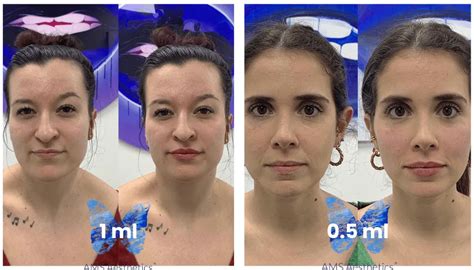
This small volume explains why a single syringe is often sufficient for subtle yet effective lip enhancement, natural lip augmentation, or smoothing fine lines and wrinkles. However, it is typically not enough for more extensive volume augmentation in areas like the temples.
Hyaluronic Acid Fillers and Injection Techniques
Hyaluronic acid (HA) gel is a widely used and effective soft tissue filler in cosmetic dermatology. These fillers are typically packaged in proprietary luer-lock syringes designed for injection with needles ranging from 30-gauge to 27-gauge or larger, depending on the viscosity of the HA gel.
An alternative method involves decanting proprietary HA fillers into smaller, 31-gauge insulin syringes for injection. This technique can offer enhanced precision in product delivery and placement, potentially leading to more balanced and symmetrical aesthetic outcomes for patients. The choice of needle gauge and syringe type can influence the injection process and the final result.
Understanding "Units" vs. "Syringes"
When discussing injectables, patients may encounter terms like "units" (commonly used for neuromodulators like BOTOX®, Dysport®, or Xeomin®) and "syringes" (used for dermal fillers). It's important to understand that these are distinct measurement systems.
- Units are a standardized measurement specific to each neuromodulator brand, determined by laboratory preparation and testing.
- Syringes, as discussed, typically refer to a volume of 1 ml for dermal fillers.
The amount of filler or neuromodulator needed varies significantly based on individual factors such as facial anatomy, desired results (subtle vs. dramatic), and whether it is a first-time treatment or a touch-up. Experienced injectors tailor treatment plans to each patient's unique needs and goals.
Factors Influencing Filler Volume for Lip Enhancement
The decision on how much lip filler to use is multifaceted and depends on several key factors:
Individual Anatomy and Goals
Starting Lip Volume: Naturally thin lips will require more filler to achieve noticeable volume compared to lips that already have a good base volume.
Skin Quality and Elasticity: The condition and elasticity of the skin can affect how well it accepts and holds filler.
Desired Outcome: Whether the goal is a subtle enhancement, moderate volume, or a dramatic transformation, the amount of filler will vary accordingly. Subtle, natural results often require a conservative approach, while a more dramatic pout may necessitate more product.
Treatment Areas: Enhancing just the vermilion border for definition requires less product than augmenting the entire lip body for fullness.
Lip Anatomy and Proportion
Understanding the different parts of the lips is crucial for effective augmentation:
- Vermilion Body: The pink, fleshy part of the lips responsible for fullness.
- Vermilion Border: The distinct edge of the lips that provides definition.
- Cupid's Bow: The characteristic V-shaped curve on the upper lip, contributing to shape and elegance.
- Oral Commissures: The corners of the mouth, which can affect the overall facial expression.
An experienced injector considers all these elements to create harmonious and balanced results. The "golden ratio" in aesthetics suggests that the bottom lip should be approximately 1.618 times larger than the top lip, serving as a guideline for ideal proportions, though individual patient goals always take precedence.
Typical Filler Amounts for Different Results
The amount of filler needed can be broadly categorized based on the desired outcome:
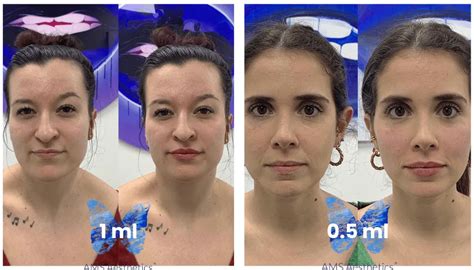
- Subtle Enhancement (0.5 ml to 1 ml): Ideal for first-time patients or those seeking minimal volume, definition, or a refreshed look. This can soften fine lines, add a touch of plumpness, and improve definition without appearing overdone.
- Noticeable Volume (1 ml to 2 ml): For lips that are naturally thin or for those desiring a more significant increase in fullness and projection. This amount allows for balanced augmentation across multiple lip zones.
- Dramatic Transformation (2 ml to 3 ml, often in stages): For clients aiming for a very full, glamorous pout. This volume is typically achieved gradually over multiple sessions to ensure safety and prevent an unnatural, overfilled appearance.
It's important to note that these are general guidelines. Some individuals may require more or less filler depending on their unique facial structure and aesthetic preferences.
The "Less is More" Approach and Gradual Augmentation
Many practitioners advocate for a "less is more" philosophy, especially for initial treatments. Injecting too much filler at once can lead to unnatural stretching of tissues and an overfilled appearance. A conservative, staged approach allows for:
- Assessing how the initial volume settles and integrates with the natural lip structure.
- Gradually building volume over time to achieve the desired fullness while maintaining softness, flexibility, and a natural look.
- Minimizing the risk of complications associated with overfilling.
If a patient desires more volume after an initial treatment, a follow-up session can be scheduled to add more filler safely and effectively.
Popular Fillers for Lip Treatments
Several FDA-approved dermal fillers are specifically formulated for lip enhancement. Among the most popular are products from the Juvederm Vycross range, known for their quality and safety:
- Juvederm Volbella XC: A softer, more pliable filler ideal for subtle volume, definition, and smoothing fine lines around the lips.
- Juvederm Ultra XC: A versatile filler suitable for adding volume and improving lip shape.
- Juvederm Vollure XC: Designed for correcting moderate to severe facial wrinkles and folds, it can also be used for lip augmentation.
- Juvederm Volux XC: A firmer filler used for creating more projection and definition, particularly for jawline contouring but can be used strategically in lips for structure.
Other options include Restylane Silk and Restylane Kysse, which are also designed for delicate lip enhancement and natural movement.
What Lip Fillers Can Achieve
Lip fillers are versatile treatments capable of addressing a range of aesthetic concerns:
- Adding volume and fullness
- Creating symmetry between the upper and lower lips
- Defining the lip border and Cupid's bow
- Reshaping the lips
- Improving hydration and texture
- Balancing facial proportions
- Contouring the lip shape
A thorough consultation is essential to discuss specific goals and determine the most suitable treatment approach.
Addressing Overfilled or Undesired Results
If lips appear too big: Initially, perceived excessive size can be due to post-treatment bruising and swelling. These side effects are common and usually subside within a few days. Applying arnica cream and using ice packs can help manage swelling. It is recommended to wait at least two weeks to see the final results. If dissatisfaction persists, hyaluronic acid fillers can often be dissolved with hyaluronidase.
If lips look too small or the desired result is not achieved: This is where the conservative, staged approach is beneficial. If more volume is desired after the initial treatment and swelling has subsided, additional filler can be strategically added in a subsequent session.
Reversing and Dissolving Dermal hyaluronic acid filler with Hyaluronidase
Longevity of Lip Filler Results
Dermal fillers are temporary and require repeat treatments to maintain results. The longevity varies depending on the product used, the area treated, and individual metabolism:
- Generally, hyaluronic acid fillers can last anywhere from 6 to 12 months.
- Fillers specifically designed for lips, like Juvederm Volbella or Restylane Kysse, typically last around 6 months.
- Firmer fillers used for structural augmentation, such as Juvederm Volux or Radiesse, may last longer, sometimes 12-24 months or more.
Regular touch-up appointments are recommended to sustain the desired fullness and shape of the lips.
Expert Consultation is Key
Ultimately, the success of lip filler treatments hinges on the expertise of the injector. A skilled practitioner will:
- Conduct a comprehensive facial analysis.
- Discuss your aesthetic goals in detail.
- Recommend the appropriate type and amount of filler.
- Employ precise injection techniques to ensure natural, balanced, and aesthetically pleasing results.
- Provide clear aftercare instructions.
Choosing an experienced provider with a strong portfolio of before-and-after photos and a deep understanding of facial anatomy and aesthetics is paramount for achieving optimal outcomes.