Many individuals living with psoriasis seek natural ingredients to incorporate into their dietary and skin care routines. This guide offers practical advice on selecting the best ingredients to soothe psoriasis-affected skin and highlights those to avoid.
Psoriasis symptoms can be managed through various treatments, including topical, oral, injected medications, and light therapy. Alongside medical interventions, certain natural ingredients found in food, cosmetics, and skincare products can provide relief. However, it's also important to be aware of ingredients that may exacerbate the condition.
Understanding Ingredients to Include and Avoid
A careful selection of ingredients can significantly impact the management of psoriasis. Understanding which components are beneficial and which can be detrimental is crucial.
Ingredients to Avoid
- Fragrance: Products with added fragrances can be drying and irritating for individuals with psoriasis. Research suggests a link between the use of scented products and the development of sensitive skin. Given psoriasis's propensity for inflammation, it's advisable to steer clear of anything that could worsen it. Even essential oils can be problematic for some. Opt for products labeled "fragrance-free" or "unscented."
- Certain Alcohols: Alcohol is a common ingredient in skincare products, often added to enhance absorption and provide a cooling sensation. However, ethanol and isopropyl alcohol can be harsh, disrupting the skin's natural moisture barrier and leading to dryness and irritation. Look for "alcohol-free" products. Conversely, some alcohols derived from plants, such as cetyl alcohol and stearyl alcohol, are beneficial moisturizers that soften the skin.
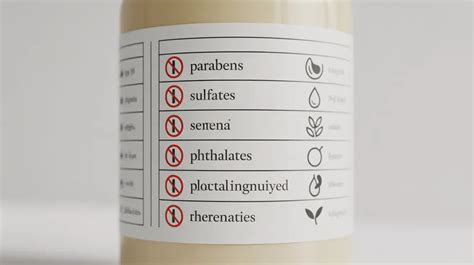
- Sulfates: Commonly found in shampoos, sulfates create foam during washing. For those with scalp psoriasis, sulfates can be irritating as they strip moisture from the skin. It's recommended to avoid products containing sodium lauryl sulfate and sodium laureth sulfate.
- Harsh Exfoliants: While some debate exists regarding exfoliation for psoriasis, harsh methods can cause damage and irritation. Physical exfoliants like rough scrubs or loofahs should generally be avoided, as skin damage can trigger more psoriasis. Chemical exfoliants like salicylic acid can help remove scales, allowing moisturizers to penetrate better. When exfoliating, use hands or a very soft cloth.
Beneficial Ingredients for Psoriasis Management
- Calamine: Calamine lotion, containing iron and zinc ores, is effective in reducing the itch associated with psoriasis lesions. While it doesn't treat psoriasis itself, it can help manage the itching and soothe other skin irritations.
- Salicylic Acid: This ingredient is a helpful scale lifter, softening and removing psoriasis scales. It can also reduce itching, redness, and inflammation, allowing moisturizers to be absorbed more easily. Patch testing is recommended due to potential sensitivity.
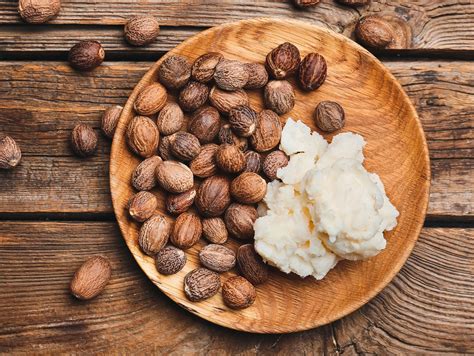
- Shea Butter: Rich in healthy fatty acids, shea butter is an excellent moisturizer. Derived from the nuts of the shea tree, it possesses anti-inflammatory properties that can aid in healing psoriasis-affected areas. Pure shea butter or products combining it with salicylic acid have shown benefits.
- Coal Tar: Used for over a century in psoriasis treatment, coal tar is available in various topical forms like shampoos, lotions, and bath foams.
- Ceramides: These naturally occurring fatty acids are vital for maintaining the skin's protective barrier and retaining moisture. As ceramide levels can decrease with age or inflammatory conditions like psoriasis, products containing ceramides, phytosphingosine, or sphingosine can help restore them.
- Vitamin D: Topical vitamin D is an effective treatment for plaque psoriasis, helping to slow scale production and reduce itchiness. While research into oral vitamin D supplements for psoriasis is ongoing, ensuring adequate intake is important for overall health.
- Curcumin (Turmeric): The active compound in turmeric, curcumin, has anti-inflammatory properties. Studies suggest curcumin supplements may benefit individuals with psoriasis, and incorporating turmeric into meals can also be helpful.
The Role of Shea Butter in Psoriasis Care
Shea butter, a vegetable fat extracted from shea tree nuts, is a popular ingredient in skincare due to its moisturizing and anti-inflammatory properties. Its rich fatty acid content helps lubricate the skin and lock in moisture, while antioxidants like vitamins A and E protect skin cells.
Benefits of Shea Butter for Psoriasis
- Intense Moisturization: Shea butter is an emollient that soothes and moisturizes dry, scaly skin characteristic of psoriasis. Its fatty acids effectively prevent water evaporation.
- Anti-inflammatory Properties: Shea butter can help reduce inflammation and irritation, which are primary symptoms of psoriasis.
- Skin Barrier Support: It may help support the skin barrier, which is often compromised in individuals with psoriasis, leading to reduced pain and inflammation.
- Complementary Treatment: Studies suggest that shea butter can enhance the efficacy of other psoriasis treatments, such as salicylic acid and curcumin, by aiding their penetration into the skin.
While research specifically on shea butter alone for psoriasis is limited, preliminary studies and anecdotal evidence suggest it can be a beneficial addition to a psoriasis management plan. It may help alleviate symptoms like dryness, itching, and scaling.
How to Use Shea Butter for Psoriasis
The application of shea butter depends on the type of psoriasis and the product used. It can be applied directly to affected skin as a moisturizer, or found in various skincare products:
- Moisturizers: For plaque psoriasis, topical moisturizers containing shea butter can alleviate dryness and flaking.
- Lotions: Shea butter lotions can be massaged into hands and fingernails for nail psoriasis.
- Shampoos and Conditioners: For scalp psoriasis, shampoos and conditioners with shea butter may offer relief.
- Body Washes: Using a body wash with shea butter can help manage flare-ups.
Emollients like shea butter typically require frequent application, often three to four times a day, for maximum benefit.
Potential Risks and Considerations
While shea butter is generally safe for most skin types, certain precautions should be taken:
- Nut Allergies: Although rare, individuals with nut allergies should exercise caution as shea butter is derived from nuts.
- Latex Allergy: Raw or unrefined shea butter contains natural latex and may trigger reactions in those with latex allergies. Refined shea butter is generally considered safe.
- Pore Clogging: Its thick consistency might clog pores in some individuals, especially those with acne-prone skin.
- Yeast Growth: A yeast associated with dandruff can grow in shea butter, which may be a concern for individuals with seborrheic dermatitis.
It is crucial to consult a healthcare professional before incorporating shea butter into your psoriasis treatment, especially if you have underlying health conditions or allergies.
Complementary Treatments and When to See a Doctor
Shea butter should be considered a complementary treatment and not a replacement for prescribed medications and therapies. Other treatments that may reduce inflammation and plaque severity include:
- Exfoliating products (salicylic acid, retinol)
- Coal tar products
- Corticosteroids
- Cyclosporine
- Methotrexate
- Biological treatments
- Light therapy
- Roflumilast cream
- Tapinarof (VTAMA)
It is essential to seek professional medical advice for an accurate diagnosis of psoriasis, as it can mimic other skin conditions. Consult a doctor if:
- Psoriasis worsens after using shea butter or any other skincare product.
- Psoriasis suddenly worsens or does not respond to treatment.
- You experience side effects associated with any treatment.
- You develop joint pain, which could indicate psoriatic arthritis.