Dark circles, hyperpigmentation, and redness can be effectively managed with the right color correctors. These specialized makeup products utilize color theory to neutralize specific skin discolorations, providing a more even and radiant complexion before foundation or concealer is applied. Unlike concealers that match your skin tone, color correctors work by applying shades that counteract unwanted tones on the skin. Understanding how to use them properly is key to achieving your desired complexion goals.
Color correctors act as an advanced treatment for specific concerns that typical complexion products may not fully address. While concealer is excellent for covering dark circles and blemishes, color correctors are designed to neutralize deeper pigmentation and other variations in your skin tone.
Understanding Color Theory in Makeup
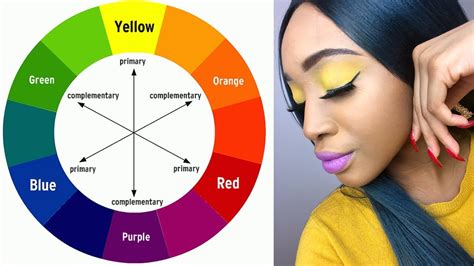
The effectiveness of color correctors lies in the principles of color theory. By using shades that are opposite each other on the color wheel, specific discolorations can be neutralized. This technique ensures that your skin appears more even-toned, creating a smoother and more natural-looking base for your makeup.
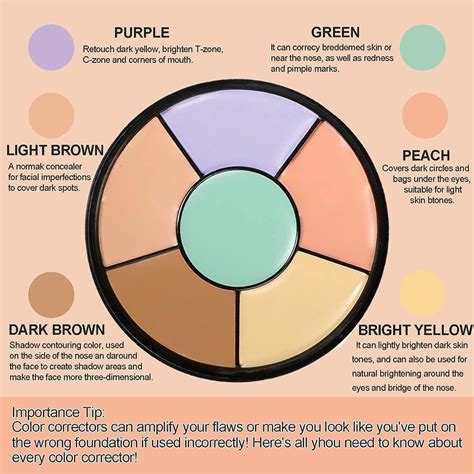
Key Color-Correcting Shades and Their Uses:
- Green: Neutralizes redness caused by acne, irritation, or sunburn.
- Yellow and Peach: Effective for canceling out dark circles and mild discoloration, particularly on lighter skin tones.
- Lavender: Balances out sallowness and yellow undertones, providing a brighter and more refreshed appearance.
- Orange and Red: Best suited for deeper skin tones to counteract dark circles and hyperpigmentation.
Choosing the correct shade is crucial for achieving a flawless makeup base. The key is to identify your primary skin concern and select a color opposite on the color wheel to neutralize it. This ensures that your skin looks even and ready for foundation application, resulting in a more natural and polished finish.
How to Apply Color Correctors for a Flawless Finish
Applying color correctors effectively can seem intimidating at first, but with the right technique, it can significantly enhance your makeup routine. The process begins with a clean, moisturized face to ensure smooth blending.
Step-by-Step Application Guide:
- Identify Areas of Concern: Pinpoint the specific areas on your face that require correction, such as redness, dark circles, or hyperpigmentation.
- Choose the Right Corrector: Select the color corrector shade that corresponds to your concern based on color theory.
- Apply Sparingly: Use a small amount of the corrector with a brush, sponge, or your fingertip, applying it only to the targeted areas. Remember, less is more.
- Blend Gently: Carefully blend the edges of the applied corrector to ensure there are no harsh lines and that it transitions seamlessly into your skin.
- Set (Optional): For longevity, you can lightly set the corrected areas with a translucent powder before applying your foundation.
- Apply Foundation or Concealer: Follow up with your regular foundation or concealer. The color corrector will neutralize the discoloration, allowing your foundation to provide even coverage without needing to be heavily layered.
The goal of color correcting is to neutralize discoloration, not to completely cover it. This technique ensures that your foundation looks smoother and more natural, without the need for excessive product application.
What to Look For in a Color Corrector
When shopping for color correctors, it's important to consider your specific skin concerns and skin type. Different formulas and ingredients can cater to various needs.
Formulas and Ingredients:
- For Dry Skin: Opt for hydrating formulas like the Givenchy Prisme Libre Skin-Caring Corrector or Hy-Glam Correcting Concealer, which won't settle into fine lines or dry patches. Ingredients like glycerin and hyaluronic acid can provide much-needed moisture.
- For Oily Skin: Look for non-creasy, long-lasting products such as powder correctors or those with mattifying properties, like the Call It Even Color Correcting Powder, to help control shine.
- For Dark Circles: Peach or orange shades are recommended for lighter skin tones, while redder hues are more effective for darker skin tones. Products like the Charlotte Tilbury Magic Vanish! Color Corrector and Nars Radiant Creamy Color Corrector are noted for their effectiveness.
- For Redness: Green correctors are the go-to choice. The Smashbox Photo Finish Correct Anti-Redness Primer is a popular option.
- For Dullness or Sallowness: Lavender or blue correctors can brighten the complexion.
Additionally, consider the formula that best suits your makeup routine. Creamy concealers offer buildable coverage and are great for dry to normal skin types, while powders are ideal for oily skin. Many color correctors also offer added benefits such as SPF protection or skincare ingredients like Vitamin C, which can improve skin health over time.
Top Lightweight Color Corrector Recommendations
Numerous products on the market offer effective color correction with lightweight, comfortable formulas. Here are some of the top picks:
Best Overall: MAC Studio Fix Conceal & Correct Palette
This palette is a staple in many professional makeup artists' kits. It features four concealer shades and two correctors, offering the flexibility to custom-mix the ideal shade. Enriched with antioxidants like vitamins C and E, it brightens and protects the skin while concealing blemishes and dark spots.
Key Ingredients: Beeswax, silica, vitamin C, vitamin E | Finish: Natural, demi-matte | Available Shades: 6
Best for Mature Skin: Givenchy Prisme Libre Skin-Caring Corrector
With a thin, hydrating texture, this liquid corrector is ideal for dry and mature skin as it won't settle into fine lines. It contains glycerin to keep skin hydrated for all-day wear, minimizing redness, concealing dark circles, and brightening the complexion.
Key Ingredients: Plant-based glycerin, capucine extract | Finish: Natural, radiant | Available Shades: 3
The Editor Favorite: Huda Beauty #FauxFilter Color Corrector
This creamy formula can be sheered out or layered for full coverage. Available in seven shades, it caters to various undertones. Its texture provides coverage without looking heavy, making it a go-to for many makeup artists.
Key Ingredients: Niacinamide, vitamin C | Finish: Satin, demi-matte | Available Shades: 7
Best Concealer Hybrid: Bobbi Brown Skin Corrector Stick
This portable stick combines color correction and concealer in one. With an inclusive 12-shade range, it camouflages dark spots effectively. Infused with coffee seed extract for a brightening effect and salicornia for moisture, it allows for layering without caking.
Key Ingredients: Coffee seed extract, salicornia | Finish: Natural | Available Shades: 12
Best Luxury: Chanel Le Correcteur de Chanel Colour Concealer
A small amount of this cream corrector is sufficient to conceal redness and dark circles without a cakey or ashy finish. Its buildable gel-texture formula is comfortable on the skin, and soft-focus pigments provide a blurred, filter-like finish.
Key Ingredients: Soft-focus pigments, glycerin | Finish: Natural | Available Shades: 4
Best Color Corrector Palette: Stila Correct and Perfect All-In-One Color Correcting Palette
This seven-pan palette offers a comprehensive range of demi-matte shades, including a blendable green corrector for redness and a purple powder for neutralizing sallowness. It's designed to address a variety of tone and textural concerns.
Key Ingredients: Vitamin A, vitamin C, vitamin E | Finish: Demi-matte | Available Shades: 7
Best Color Corrector for Redness: Smashbox Photo Finish Correct Anti-Redness Primer
This primer is stellar for canceling out redness due to its greenish hue and soothing ingredients like hyaluronic acid and mushroom extract. It effectively corrects redness before makeup application.
Key Ingredients: Hyaluronic acid, algae, rose, mushroom, Lactobacillus ferment | Finish: Satin | Available Shades: 5 (including other iterations)
Best Cream Formula: Charlotte Tilbury Magic Vanish! Color Corrector
This beginner-friendly, buttery-smooth formula is portable and includes a mirror for touch-ups. Available in orangish-red shades for different skin tones, it's infused with mica for a silky finish and flavanoids to reduce puffiness.
Key Ingredients: Flavanoids, carnauba wax, vitamin E | Finish: Natural | Available Shades: 4
Best Color Corrector for Dark Circles: Nars Radiant Creamy Color Corrector
A favorite for under-eye correction, this product comes in a range of red hues for all complexions. It contains micropowders that fill fine lines for a smoother look, making it ideal for layering makeup.
Key Ingredients: White water lily, red spiderling flower extract, glycerin | Finish: Radiant | Available Shades: 4
Best Color Corrector with SPF: Dr. Jart+ Cicapair Tiger Grass Color Correcting Treatment SPF 30
This green-to-beige formula corrects redness and protects the skin with SPF 30. It contains Centella asiatica leaf water, known for its ability to treat inflammation and redness.
Key Ingredients: Centella asiatica leaf water, zinc oxide, titanium oxide, glycerin, niacinamide | Finish: Natural | Available Shades: 1
Best Multitasking Formula: Live Tinted Huestick Corrector
This multi-use stick can be used for dark, blueish areas and also functions as an eye, lip, and cheek multistick. It's packed with hydrating ingredients like hyaluronic acid and vitamin E, offering a semi-matte finish and brightening dark spots over time with vitamin C.
Key Ingredients: Hyaluronic acid, squalane, vitamin E, vitamin C | Finish: Semi-matte | Available Shades: 5
Best Color-Correcting Primer: Make Up For Ever Step 1 Primer Color Corrector
This primer locks makeup in place for up to 24 hours while instantly concealing hyperpigmentation, dark circles, and acne scars, acting as a versatile base for any makeup look.
COLOUR CORRECTING for Beginners! DOs + DON'Ts
Frequently Asked Questions
What is color correcting in makeup?
Color correcting is a makeup technique that uses specific colors to neutralize skin imperfections such as redness, dark circles, and blemishes before applying foundation or concealer. It utilizes color theory, where opposite colors on the color wheel cancel each other out.
How do I choose the right color corrector?
Select a color opposite your skin concern on the color wheel. Green neutralizes redness, peach or orange for dark circles, yellow for dullness, and lavender for sallowness. For deeper skin tones, orange and red correctors are best for dark circles and spots.
Can all skin types use color correctors?
Yes, there are color correctors formulated for all skin types. Look for products labeled for your specific skin type for the best results, considering hydrating formulas for dry skin and mattifying options for oily skin.
How do I apply color corrector?
Apply a small amount on the targeted area and blend well into the skin before applying foundation or concealer. Itâs important to use a light hand and blend the edges seamlessly.
Do I need to use a color corrector every day?
No, use color corrector as needed to address specific skin concerns or achieve a flawless makeup base for special occasions. It is not a mandatory daily step for everyone.
Can color correctors replace my concealer?
Not exactly. Color correctors neutralize discoloration, while concealers are designed to cover imperfections. They often work best together, with the color corrector applied first to neutralize, followed by concealer to cover.
Are there color correctors with skincare benefits?
Yes, many color correctors now include skincare ingredients like Vitamin C, Hyaluronic Acid, and SPF to improve skin health, offering a dual benefit of correction and treatment.
Should I apply color corrector before or after foundation?
Apply color corrector before foundation to neutralize skin concerns without needing to use as much foundation. This allows the corrector to effectively do its job before being covered.
Can I use multiple color correctors at once?
Yes, you can use different color correctors on various areas of your face to address multiple skin concerns effectively. For example, green on red areas and peach under the eyes.
tags: #lightweight #color #corrector