For dedicated customers of Bath & Body Works (B&BW), navigating the world of deals and product longevity is key. Beyond the sales, understanding how to tell when a product might no longer be at its best is crucial for both efficacy and safety. While B&BW is known for its fragrances and self-care items, many of these products, much like food or cosmetics, do have a shelf life.
Decoding Product Dates: Manufacturing vs. Expiration
When examining Bath & Body Works products, it's important to distinguish between a manufacturing date and an expiration date. Often, you'll be looking for the former, as a true expiration date might not always be explicitly printed, especially if the product's shelf life exceeds 30 months according to EU law. To find the manufacturing date code, check the bottom of containers like candles or the ends of tubes. If you locate this printed code, pay attention to the first numeral, which indicates the year the product was made (e.g., '8' signifies 2018). The three digits that follow represent the day of the year it was produced; for instance, '252' would correspond to the 252nd day of that year.
It's also important to note that some cosmetics feature a "period after opening" (PAO) symbol. This symbol, typically depicted as an open jar with a number inside, indicates how many months a product is safe to use after it has been opened. For example, a '6' within the jar signifies that the product should be used within six months of opening.

Identifying Valid Dates and Avoiding Misinterpretations
Not all codes on product packaging are indicative of expiration or manufacturing dates. For example, a code like '0667552369803' is not a batch code for expiration purposes. Correctly formatted codes, which may include an expiration date, often look like '1201d1a1 exp06/2023'. Codes such as '30583985 0667554956575' are also not batch codes related to expiration.
The Safety and Efficacy of Expired Products
While the sentiment "If it ain't food, it don't expire" might be common among some consumers, especially when a favorite scent is discontinued, there are considerations regarding the use of expired products.
Potential Risks of Using Expired Lotions and Perfumes
Generally, using expired lotions is unlikely to cause significant harm, though they may become less effective or dry out your skin. However, lotions stored in jars can potentially develop bacteria over time. Expired perfumes, on the other hand, pose a higher risk of causing skin irritation or allergic reactions.
Some viewers have noted specific product types that may degrade faster. For instance, body creams, particularly vanilla-scented ones, can sometimes turn bad even before an official expiry date, while lotions and body washes may not exhibit the same issues. Mists are often perceived to have a longer shelf life.
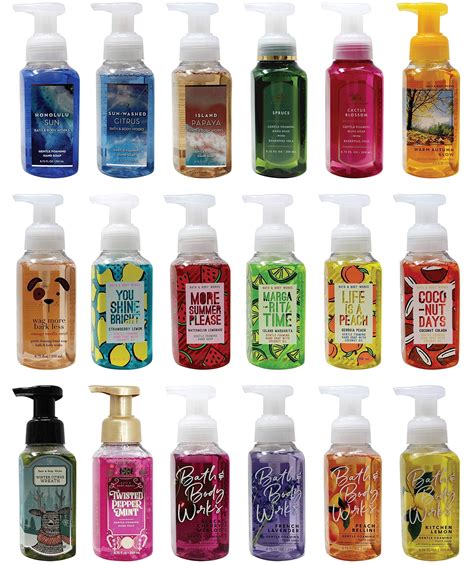
Navigating Bath & Body Works Policies and Other Concerns
Bath & Body Works offers a 100% satisfaction guaranteed return and exchange policy, allowing customers to return items anytime for any reason. This policy provides a safety net for purchases that may not meet expectations or if concerns arise about product quality.
Beyond Expiration Dates: Other Customer Considerations
Aside from expiration dates, Bath & Body Works customers have raised other concerns. Allegations from former employees have pointed to the presence of chemicals like Propylparaben and Butylparaben in some products, though these have been approved by the CDC. Additionally, an incident involving a Wallflowers home fragrance plug-in that developed a crystalline, web-like structure after being stored for a year sparked discussion, with some viewers speculating it could be fiberglass.
Bath & Body Works Chat! Store Closures & Return Policy
All in all, it is advisable to monitor the expiration and manufacturing dates on your cosmetic and home scent products. This practice helps protect against potential adverse chemical reactions and ensures you are using products at their optimal quality.