Experience the transformative power of Japanese micro-infusion technology with these individually-wrapped, stretchy eye masks. Designed to deliver Pure Retinol directly to the skin, they instantly hydrate and smooth the appearance of eye area wrinkles in as little as one application. These masks are dermatologist-tested for your peace of mind.
How to Use
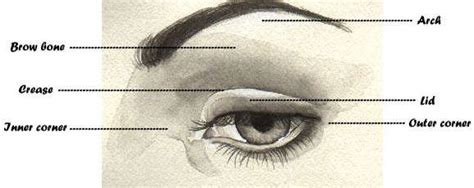
To achieve optimal results, affix the narrower side of the mask to the inner corner of your eye. Smooth out the mask so that the larger end covers the outer corner of your eye. Leave the masks on for 15 minutes, then gently peel them off. Following removal, use light pressure to gently massage any remaining essence into the delicate skin around your eyes.
The Innovation of Retinol Eye Masks
Under-eye masks have long been recognized as a beneficial skincare product, offering a quick fix for tired-looking eyes, reducing the appearance of dark circles, and providing much-needed hydration. The emergence of retinol eye masks takes this concept a step further. These innovative patches not only offer the soothing benefits of traditional under-eye treatments but also specifically target and diminish fine lines and wrinkles around the eye area. This advanced action is attributed to potent anti-aging ingredients like retinol and hyaluronic acid.
Understanding Retinol Eye Masks
Retinol eye masks are essentially under-eye patches infused with retinol. While they provide the same comforting effects as de-puffing and hydrating patches, their primary advantage lies in their targeted approach to combating the signs of aging around the eyes. This includes addressing concerns like crow's feet and the naturally crepey texture that can develop in this delicate skin.
Key Ingredients and Their Roles
The efficacy of these masks stems from a carefully selected combination of ingredients:
Retinol (Vitamin A)
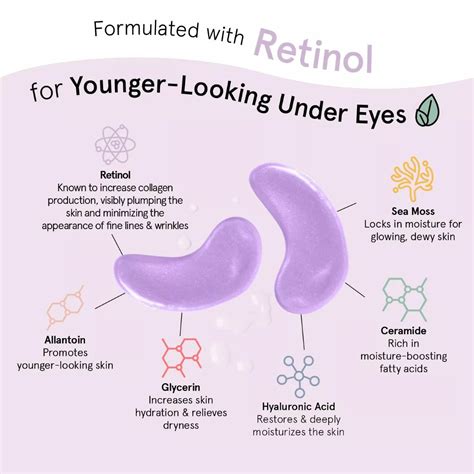
Considered the most proven over-the-counter anti-aging ingredient, Retinol is a form of Vitamin A that works to smooth wrinkles and improve skin firmness. Its inclusion in eye masks directly addresses the visible signs of aging.
Hyaluronic Acid (Sodium Acetylated Hyaluronate)
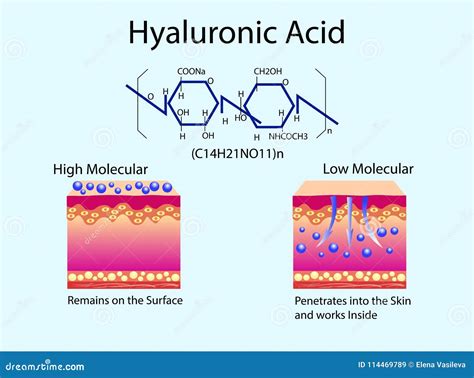
Sodium Acetylated Hyaluronate is a modified form of hyaluronic acid. The acetyl groups enhance its ability to bind to the skin, providing longer-lasting surface hydration and improved elasticity. It acts as a powerful humectant, attracting and retaining moisture in the skin.
Water (Aqua)
Purified and deionized water serves as the primary solvent in cosmetic formulations, ensuring the product's consistency and the delivery of other active ingredients.
Butylene Glycol (BG)
This multi-tasking glycol functions as a solvent, humectant, penetration enhancer, and slip agent, helping the product absorb effectively and spread smoothly across the skin while drawing moisture in.
Glycerin
A widely used humectant and emollient, Glycerin helps to moisturize the skin, making it feel soft and smooth.
Squalane
Derived from natural sources like olives and also found in human sebum, Squalane is a stable emollient that provides excellent moisturization, surface occlusion, and prevention of transepidermal water loss (TEWL) without feeling heavy or greasy. It is compatible with all skin types.
Tocopherol (Vitamin E)
A form of Vitamin E, Tocopherol acts as an antioxidant, protecting the skin from environmental damage.
Phenoxyethanol
This preservative is widely used in cosmetics due to its safety and gentle profile. It helps to maintain the integrity of the product by preventing microbial growth. It is often used in conjunction with ethylhexylglycerin to enhance its preservative activity.
Alcohol**
While sometimes controversial, alcohol can act as a solvent, penetration enhancer, and astringent, contributing to light and elegant product formulations. However, its use should be monitored, especially for sensitive skin, as high concentrations can be drying.
Carbomer
This polymer of acrylic acid is used as a thickening agent, transforming liquid formulas into smooth, non-tacky gels.
Sodium Hydroxide
A pH adjusting agent used to neutralize ingredients like carbomer and ensure the product's optimal pH balance.
Fragrance (Parfum)
Added to enhance the sensory experience of the product, fragrance can be a concern for those with sensitive skin or fragrance allergies. Some common fragrance components include:
- Limonene: Found in citrus peel oils, it has a pleasant scent but can oxidize and cause skin sensitization.
- Linalool: Naturally occurring in many plants, it can also oxidize and become allergenic.
- Citronellol: Possesses a rose-like odor and can cause allergic contact dermatitis in some individuals.
- Geraniol: Another common fragrance ingredient that can oxidize and become allergenic.
- Coumarin: Has a sweet, balsamic scent and is one of the EU-designated fragrances that must be labeled separately due to allergen potential.
Butylated Hydroxytoluene (BHT)
A synthetic antioxidant used as a preservative. While some controversy exists, regulatory bodies have deemed it safe for cosmetic use in low concentrations.
Citric Acid
An alpha-hydroxy acid (AHA) derived from citrus fruits, used as a pH adjuster. While it has some exfoliating properties, it is generally considered less potent than glycolic or lactic acid for skin improvement.
Disodium EDTA
A chelating agent that helps to stabilize the product by neutralizing metal ions that can be introduced from water, preventing undesirable changes over time.
Ascorbyl Glucoside (Vitamin C Derivative)
A stable derivative of Vitamin C that converts to pure Vitamin C in the skin. It offers antioxidant benefits and contributes to skin brightening. While research on its specific efficacy in humans is ongoing, it is considered a viable option among Vitamin C derivatives.
Safety and Considerations
While retinol eye patches are generally considered safe, it's crucial to be aware of potential irritation. Dermatologists recommend starting slowly, using the patches only once or twice a week to allow your skin to build tolerance. Retinol can initially cause dryness, redness, or peeling. It is advised not to apply them every night as your skin adjusts.
Optometrists also advise keeping the patches at least one inch away from the actual eye area. This is because retinol products can potentially cause inflammation of the meibomian glands, which are crucial for preventing tear evaporation and maintaining eye moisture. Reduced meibum secretion can lead to dry eyes.
Furthermore, retinol increases the skin's sensitivity to the sun. It is essential to follow up with sunscreen application in the treated area the following morning to protect your skin.