In a world often obsessed with perfection, there's an argument to be made that a little wrinkle can be a good thing. This perspective challenges the conventional wisdom that un-ironed clothes are a sign of being unkempt and suggests embracing the natural state of fabric.
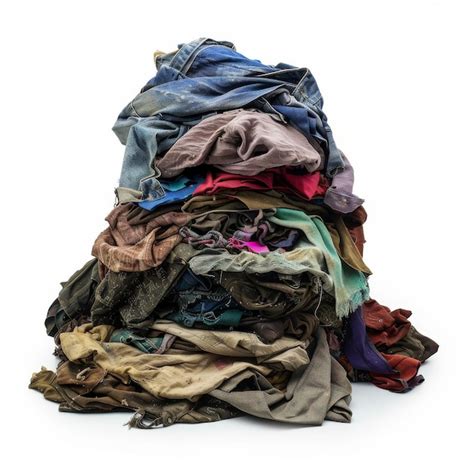
Beyond Aesthetics: The Environmental and Practical Benefits of Skipping the Iron
The decision to forgo ironing extends beyond personal preference; it carries significant environmental and practical advantages. By not ironing a single pair of clothes, one can save approximately 200 grams of carbon emission. Imagine the cumulative impact if millions of people reduced their ironing habits daily. This simple act contributes to a larger effort of saving the Earth, one garment at a time.
Furthermore, skipping the ironing board saves valuable time and energy. This reduction in electricity consumption also translates to lower utility bills. The act of not ironing is not a sign of being a slob; rather, it's a conscious choice that prioritizes efficiency and environmental responsibility.
A Historical and Cultural Perspective on Wrinkles
The human fascination with smoothing clothes is not a recent phenomenon. Ancient Egyptians used heavy stones to flatten their garments, while the Chinese employed primitive hot irons filled with smoldering coals. The electric iron, patented in 1882 in the United States, marked a significant technological advancement in this pursuit. However, the modern fashion landscape is also marked by "no-iron" shirts, often infused with formaldehyde, raising questions about the necessity of achieving such smoothness.
Historically, wrinkles have been associated with age and decrepitude, leading to a cultural preference for smooth, "youthful" appearances, even in clothing. This desire for a perpetually smooth facade can be seen as analogous to a facelift for garments, an attempt to cling to an artificially achieved sense of perfection.
History of Ironing clothes (English)
The Social Signaling of Ironed Clothes
Wearing ironed clothes can be interpreted as an elaborate signaling ritual. It demonstrates that time and resources have been devoted to achieving a smooth appearance, either personally or by employing others. This act connotes respect for a social compact that values neatness and order. By presenting crisp clothes, individuals advertise themselves as rule-followers, hoping to gain benefits from this perception.
In contrast, embracing wrinkles can be seen as a rejection of this social compact, a statement of individuality and a willingness to prioritize other values over superficial neatness. The argument is that personal grooming, such as washing hair or brushing teeth, addresses fundamental issues like odor and health risks, whereas ironing is a choice based on social convention rather than necessity.
Wrinkles as a Symbol of Authenticity and Lived Experience
Fabric, particularly natural materials like cotton, possesses an inherent texture and character that includes wrinkles. These natural creases can be seen as an expression of the material's origin and its journey. The centuries-long effort to "tame" fabric through ironing can be viewed as a futile battle against its natural state. Embracing wrinkles means accepting this inherent wildness and finding beauty in imperfection.
This philosophy extends to other aspects of life. Just as laugh lines on a face tell a story of a life lived with joy, wrinkles in clothing can symbolize the experiences and moments that garments have witnessed. The idea is that clothes are meant to be "lived in," accumulating creases and signs of wear as a testament to their use, much like a cherished pair of shoes that finally feel truly "yours" after acquiring scuffs and marks.
The Shifting Fashion Landscape: Wrinkles Go High Fashion
Interestingly, the fashion world itself is beginning to embrace wrinkles as a trend. Recent catwalk shows from prominent designers have featured deliberately creased garments, signaling a shift away from a glossy, manufactured perfection towards a more authentic, "warts-and-all" reality, especially in the post-pandemic era.
Designer Endorsements of the Wrinkled Aesthetic:
- The Row: Showcased creased-cotton pieces that evoke the relaxed look of bed sheets.
- Burberry: Featured crinkled slip dresses in their collections.
- Bottega Veneta: Included trousers made from lightweight leather with noticeable creases.
- Prada: Presented a collection where creases and wrinkles were prominent in various garments, with co-designer Raf Simons describing them as "gestures of error" designed to replicate "pieces that have had a life."
This trend is not confined to high fashion. It's visible on the high street, with stores offering purposefully creased clothing. Celebrities like Julia Fox have also been seen embracing this more haphazard glamour, wearing crumpled gowns that evoke a sense of lived experience.
The Counter-Trend: The Enduring Popularity of Non-Iron Fabrics
Despite the emerging trend of fashionable wrinkles, the demand for convenience and ease remains strong. The market for non-iron shirts, particularly for men, is booming. Brands are seeing significant growth in their non-iron ranges, with a substantial percentage of smart shirts and chinos now sold as non-iron. This indicates that for many, the desire for a quick and easy solution to maintain a neat appearance is still a priority.
For some, ironing can be a therapeutic task, a chance to listen to music or catch up on shows. However, for others, especially those with busy schedules, outsourcing this chore to professional services like Mopheads offers a practical solution, freeing up valuable time for more enjoyable activities.
Personal Perspectives on Wrinkles: A Spectrum of Opinions
Opinions on creased clothing vary widely. Some individuals are indifferent, viewing wrinkles as a natural consequence of wearing and washing clothes, acceptable in casual settings but not in formal or business wear. Others actively embrace wrinkles, seeing them as a sign of authenticity and a rejection of superficial perfection. For some, especially regarding t-shirts, wrinkles are a non-issue, while for formal shirts, a degree of neatness is considered essential.
There's a noticeable difference in how people approach different types of clothing. While button-down shirts might require de-wrinkling for a professional look, t-shirts are often seen as more forgiving. Some people employ methods like hanging clothes immediately after drying or using a quick tumble in the dryer with a damp towel to reduce wrinkles without a full ironing session.
Ultimately, the decision to iron or not to iron is a personal one, influenced by individual priorities, lifestyle, and perceptions of neatness and style. Whether embracing the environmental benefits, saving time, or making a fashion statement, the conversation around wrinkled clothes highlights a broader cultural discussion about perfection, authenticity, and the value we place on everyday tasks.