Vitamin E oil is a popular topical treatment often lauded for its potential benefits for skin health and appearance. As a group of fat-soluble vitamins with potent antioxidant effects, vitamin E plays a crucial role in protecting the body's cells from damage caused by free radicals. While vitamin E is an essential nutrient for overall health, its topical application in oil form is primarily explored for cosmetic purposes, though scientific evidence for some claims remains limited.
Understanding Vitamin E Oil
Vitamin E oil is distinct from oral vitamin E supplements as it is applied directly to the skin. The concentration of vitamin E can vary significantly among manufacturers, and some individuals opt to use the contents of popped vitamin E capsules. It's important to note that the benefits of vitamin E oil are primarily cosmetic, and scientific support for many of these claims is still developing. Consulting a doctor or skincare expert before incorporating vitamin E oil into your routine is advisable.
Potential Benefits of Vitamin E Oil for the Skin
The potential benefits of applying vitamin E oil to the skin are diverse, ranging from moisturizing properties to aiding in the management of certain skin conditions. These benefits are not necessarily listed in order of efficacy or evidence.
Moisturizing Properties
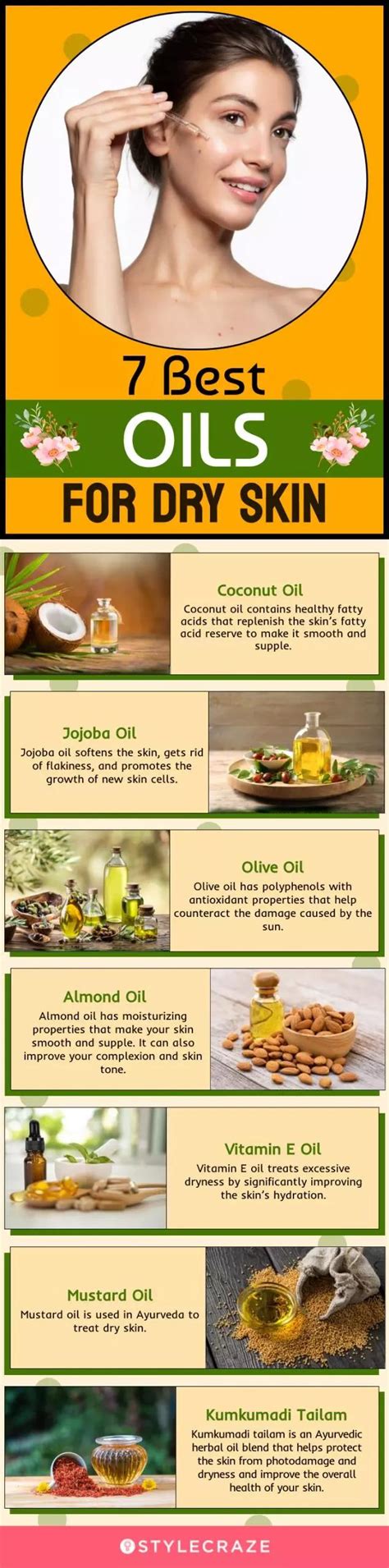
Vitamin E is a common ingredient in many moisturizers, and the oil form may indeed be beneficial for preventing or treating dry, flaking skin. Keeping the skin well-moisturized can also help prevent itchiness, a benefit that can be achieved with various skin-safe oils. However, more research is needed to definitively establish the moisturizing benefits of vitamin E oil, as current evidence is largely anecdotal.
Alleviating Itchiness
Some individuals believe that vitamin E oil can help reduce skin itching, potentially due to its moisturizing properties. When skin is adequately hydrated, it is less prone to dryness and the associated itchiness. This benefit may not be exclusive to vitamin E oil and could be offered by any oil that effectively moisturizes the skin.
Managing Eczema and Psoriasis
While research is limited, some studies suggest that vitamin E, both topical and oral, may assist in managing the symptoms of psoriasis. Vitamin E oil might be a suitable option for individuals with mild psoriasis seeking alternatives to prescription remedies. For eczema, more research is necessary to confirm the benefits of vitamin E oil. It is always recommended to consult a doctor before making changes to an existing treatment plan for these conditions.
Wound Healing and Scar Appearance
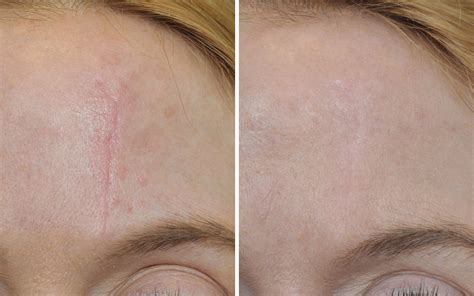
Some research indicates that vitamin E supplements may promote wound healing. It is plausible that topical vitamin E oil could offer similar benefits, though direct research on this is scarce. Folk wisdom has long suggested that vitamin E can treat or prevent scars, but a 2016 study found the evidence inconclusive. However, well-moisturized skin is generally less prone to scarring, and keeping the skin hydrated can help prevent scars from becoming too deep or prominent. For any wound care, consulting a doctor before applying products is essential.
Reducing the Appearance of Wrinkles
Dry skin can often appear more wrinkled than well-hydrated skin. The moisturizing effects of vitamin E oil may contribute to a less wrinkled appearance. However, claims that vitamin E oil effectively prevents or treats wrinkles are not currently supported by robust scientific evidence. Proven strategies for wrinkle prevention include avoiding direct sunlight and using quality sunscreen.
Soothing Sunburn
Limited research suggests that vitamin E can help prevent or reduce sunburn. Furthermore, due to its moisturizing and soothing properties for dry, flaky skin, vitamin E oil may help alleviate the burning and itching sensations associated with sunburn. Consistent use of sunscreen with at least SPF 30 and avoiding excessive sun exposure remain the primary methods for preventing sunburn.
Nail Health
Vitamin E oil may offer benefits for nail health. Oral vitamin E has been suggested to help reverse yellow discoloration associated with yellow nail syndrome (YNS), although it's unclear if topical application yields the same results. A small study in 2019 indicated that a topical antifungal containing vitamin E aided in curing subungual onychomycosis, a fungal nail infection. Additionally, the moisturizing properties of vitamin E oil can support nail health by preventing cracked cuticles and dryness around the nail bed.
Potential Risks and Considerations
While vitamin E oil offers potential benefits, it's important to be aware of potential risks and considerations.
Skin Reactions
One potential risk of using vitamin E oil is skin irritation or allergic reactions. Oils and other topical products can sometimes irritate the skin or exacerbate existing conditions. Individuals with a history of allergies should consult a doctor before applying topical products containing vitamin E.
Lack of Regulation
As both a supplement and a beauty product, vitamin E oil is not strictly regulated by the Food and Drug Administration (FDA). This means that the concentration and efficacy of vitamin E can vary significantly between different brands and products. Always read product labels carefully and consult a doctor if you have concerns about a product's safety or ingredients.
Application Methods and Precautions
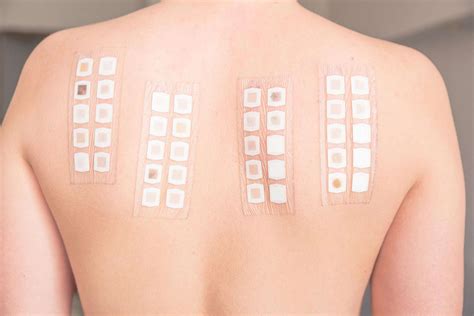
To minimize risks, a patch test is recommended before applying vitamin E oil to larger areas of skin. The American Academy of Dermatology Association suggests applying a small amount to an inconspicuous area, like the back of the knee or behind the ear, twice daily for 7 to 10 days. Start with a low concentration and a thin layer, gradually increasing the amount as recommended on the product packaging. Avoid exceeding the suggested dosage.
When applying vitamin E oil to the face, especially as an overnight treatment, it's often advised to mix a few drops with a carrier oil like jojoba, almond, or coconut oil due to its thick consistency. This helps with absorption and reduces the risk of clogged pores. Applying it before bed allows for maximum absorption. If using pure vitamin E oil, a thin layer applied after cleansing and before moisturizing is a common approach.
For those concerned about pore clogging, especially if prone to acne, it's advisable to use vitamin E treatments sparingly, perhaps once or twice a week. Some users find that applying vitamin E to the face in the morning can interfere with makeup application, making an overnight treatment more practical.
Vitamin E in Skincare Products
Vitamin E, often listed as tocopherol, is a common ingredient in many skincare formulations. Its antioxidant properties help protect the skin from environmental aggressors like pollution and sun exposure. While it contributes to skin health and can help the skin appear more luminous and pliable, there is limited evidence to support its direct role in reducing wrinkles or signs of aging.
Many anti-aging creams contain vitamin E, typically at concentrations between 0.05% and 1%. For those seeking higher concentrations, pure vitamin E oil or products specifically highlighting alpha-tocopherol are recommended.
Product Recommendations
- Antioxidant Serums: Products combining vitamin E with other antioxidants like resveratrol or vitamin C can help neutralize free radical damage and strengthen the skin's moisture barrier.
- Sunscreen with Vitamin E: Sunscreens formulated with vitamin E and broad-spectrum SPF offer dual protection against UV rays and free radical damage.
- Retinol Treatments: Some formulations combine retinol with vitamin E to soften fine lines and minimize dark spots, offering a multi-tasking approach to anti-aging.
- Self-Tanning Products: For a sun-kissed glow without sun exposure, self-tanning mists containing vitamin E can provide a bronzed complexion.
- Eye Creams: Eye creams formulated with vitamin E and peptides can nourish and firm the delicate skin around the eyes.
- Moisturizers: Hydrating moisturizers containing vitamin E, often paired with ingredients like shea butter or chamomile, can soften, brighten, and firm the skin, contributing to a plump and luminous appearance.
A simple skincare routine: The Body Shop Vitamin E
Dietary Sources of Vitamin E
In addition to topical application, ensuring adequate vitamin E intake through diet can support overall health and potentially contribute to skin health. Foods rich in vitamin E include almonds, blackberries, avocados, spinach, and various vegetable oils.
Oral Vitamin E Supplements
Oral vitamin E supplements are available and may offer benefits such as promoting glowing, younger-looking skin. However, it's important to note that taking oral vitamin E supplements for extended periods (over a year) can lead to accumulation in the body, potentially reducing platelet count and causing blood thinning. Individuals taking blood thinners or those with bleeding disorders should consult their doctor before starting vitamin E supplements.
Conclusion on Effectiveness
While vitamin E oil is widely used and believed to offer numerous skin benefits, the scientific evidence supporting many of these claims varies. Its moisturizing and antioxidant properties are well-established, contributing to softer, more hydrated skin. However, its direct impact on wrinkles, scars, and certain skin conditions requires further research. As with any skincare product, individual results may vary, and consulting with a healthcare professional is recommended for personalized advice.