As one of the first things people notice about a person, it's no wonder that individuals often focus more on the skin of their faces than on the skin of their chests. Many find that chest wrinkles, also known as décolletage wrinkles, can appear suddenly and contribute to confidence issues. While these wrinkles are a normal sign of a life well-lived, most people would prefer to keep their chest skin smooth for as long as possible. This guide offers tips for preventing décolletage wrinkles and outlines suggested treatments for those who already have them.
What Does “Décolletage” Refer To?
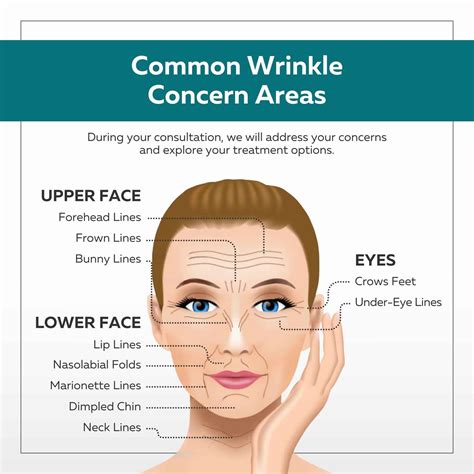
The word “décolletage” originates from the French word “décolleter,” meaning “to expose the neck area.” Collectively, the décolletage encompasses the neck and chest region-the area visible when wearing a low-cut top or a plunging neckline. This area is particularly susceptible to premature aging and sun damage and is often neglected in skincare routines. Despite the chest area being equally important for preventative care, most skincare products are formulated to target facial wrinkles.
What Are Chest Wrinkles and What Causes Them?
Occasionally, you might wake up with temporary chest wrinkles from side sleeping, which may disappear as the day progresses. However, over time, these wrinkles may become permanent. Deep cleavage creases are typically the first to appear as chest wrinkles develop. Chest wrinkles manifest as crepey, finely wrinkled, or sagging skin and can result from several factors:
- Overexposure to the sun: The sun is a primary contributor to chest skin aging. Excessive time spent outdoors or in tanning salons can accelerate this process, as UV rays break down collagen and elastin. Chest skin is inherently thin and thus more susceptible to wrinkles.
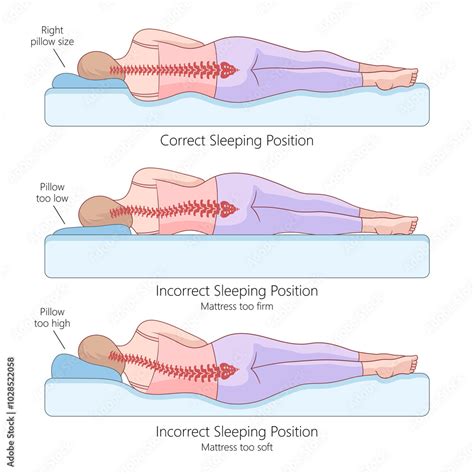
- Sleeping on your side: Sleeping on your side causes the skin to fold, creating creases down the middle of the chest.
- The aging process: Natural aging involves a gradual slowing of collagen production, which can lead to décolletage wrinkles.
- Push-up bras: Similar to how repetitive facial movements cause frown lines, push-up bras can scrunch the chest skin, contributing to wrinkle formation.
- Rapid weight loss: Significant weight loss can sometimes result in saggy, wrinkled skin, especially in older individuals whose skin may lack sufficient collagen or elastin to regain firmness.
How to Naturally Prevent and Get Rid of Chest Wrinkles
If your chest skin is beginning to show signs of wrinkling, there are several at-home steps you can take to prevent further progression and potentially improve their appearance before seeking medical intervention.
Preventing Wrinkles While Sleeping
Don’t Sleep on Your Side
Sleeping on your back is often recommended, though it can be challenging to maintain throughout the night. To help prevent chest wrinkles during sleep, try tucking pillows around your hips to minimize rolling over onto your side.
Sun Protection Strategies
Avoid the Sun During Peak Hours
While sunlight is essential for vitamin D, direct exposure between 10 AM and 4 PM is most damaging to the skin. If you must be outdoors during these times, ensure your chest area is covered with clothing, a hat, and sunscreen, and seek shade whenever possible.
Cover Up When Possible
During extended periods in the sun, such as at the beach, opt for protective measures like a wide-brimmed hat, a swimming suit cover-up, or an umbrella to shield your décolletage from harmful UV rays.
Wear Sunscreen Daily
The importance of daily sunscreen application cannot be overstated. Use a broad-spectrum sunscreen with an SPF of 30 or higher every day, even for brief sun exposure, as skin damage can occur in less than 20 minutes.

Chest Wrinkle Treatments
If your skin already shows signs of aging and sun damage, and at-home remedies are insufficient, a visit to a dermatologist may be necessary for more comprehensive solutions. Professional treatments offered at medical spas and dermatology offices can significantly improve skin quality by encouraging collagen production and reducing wrinkles.
Medical and Professional Treatments
Silicone Neck Pads
Medical-grade silicone pads are an effective solution for neck and chest wrinkles. Applied before bedtime, these pads help keep the décolletage hydrated and prevent the skin from folding and creasing overnight.
Moisturizers and Serums
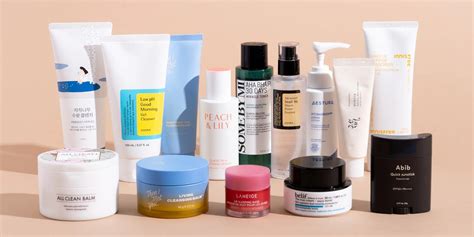
Regularly moisturizing your chest is crucial for maintaining a youthful appearance. Serums and moisturizers containing hyaluronic acid can promote hydrated, elastic skin and help reduce the appearance of fine lines.
Exfoliation
Exfoliating the décolletage two to three times a week removes dead skin cells, revealing a fresher skin surface and reducing the appearance of fine lines and chest wrinkles.
Retinoids
Over-the-counter and prescription retinoids are potent anti-aging ingredients that can help reduce fine lines by increasing collagen production. It's advisable to start with a small amount to build tolerance and avoid irritation.
Cleansers
The choice of cleanser is important. Opt for gentle, non-drying cleansers recommended by a dermatologist for both your face and décolletage. Avoid products containing parabens and sulfates, which can strip the skin of essential moisture.
Fillers
Dermal fillers, such as those containing hyaluronic acid (e.g., Juvederm), are best suited for deeper, more established wrinkles. They plump the skin and rejuvenate its appearance, offering an immediate improvement.
Advanced Dermatological Procedures
Laser Therapy
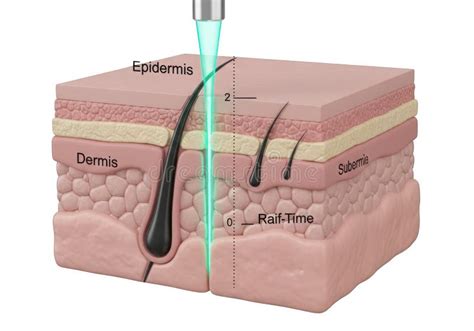
Various laser treatments, including Fraxel® Dual, Fraxel® Re:pair, Fraxel® Re:store, ResurFX, UltraClear, and UltraPulse, create microscopic injuries to the skin. This process triggers a significant response in collagen, hyaluronic acid, and elastin fiber production, leading to skin resurfacing and wrinkle reduction.
Intense Pulsed Light (IPL) Therapy
IPL treatments, such as IPL Photofacial and M22 IPL, effectively target pigmentation, sun damage, and redness, contributing to a more even skin tone and texture.
Potenza RF Microneedling
This procedure combines microneedling with radiofrequency energy to stimulate deep collagen remodeling and boost the production of hyaluronic acid and elastin.
Thermage
Thermage is a non-invasive radiofrequency treatment that penetrates deep into the skin to stimulate collagen contraction and the production of new collagen, elastic fibers, and hyaluronic acid.
Sofwave
Utilizing next-generation ultrasound technology, Sofwave boosts collagen, hyaluronic acid, and elastin production for firmer, smoother skin.
Ultherapy
Ultherapy is a focused ultrasound treatment that works beneath the skin's surface to lift and tighten sagging skin by stimulating the body's natural collagen production.
Collagen Stimulators and Dermal Fillers
Collagen stimulators gradually restore volume and improve skin texture by encouraging the natural production of collagen, hyaluronic acid, and elastin. Dermal fillers, like calcium-based options, provide immediate skin-plumping effects and stimulate collagen production. Fat transfer is another option, using the body's own fat to add volume and smooth the skin.
The Main Takeaway
The most crucial point to remember is that your chest and neck should receive the same level of attention in your skincare routine as your face. Begin by regularly cleansing and exfoliating your décolletage and consistently applying sunscreen to prevent premature aging. Before starting any new regimen, it is essential to consult with a qualified dermatologist to ensure the products and treatments are suitable for your specific skin type.