If your skin is prone to discoloration and issues such as sun spots, dark spots, acne scars, and freckles, then skin "lighteners and brighteners" are going to be your best friend. Alpha arbutin is considered a "tyrosinase inhibitor" and a natural skin lightener. It is becoming a more commonly recommended product by dermatologists for those with hyperpigmentation and other types of discoloration.
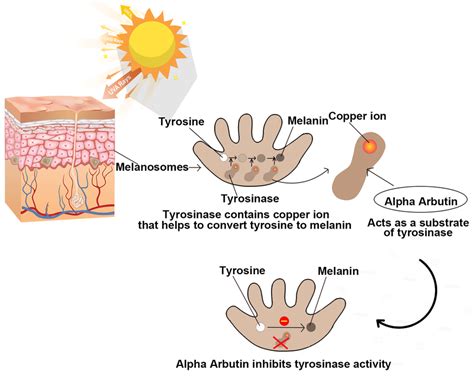
What is Alpha Arbutin and How Does it Work?
Alpha arbutin is most often extracted from the bearberry plant, which is a plant in the genus Arctostaphylos. It works primarily by stopping melanin from concentrating in certain parts of the skin. It helps contribute to a more even complexion by blocking the production of enzymes that stimulate pigment-producing cells in the skin.
Benefits of Alpha Arbutin for Skin Brightening
Alpha arbutin (AA) really works as a skin-brightening ingredient through several mechanisms:
- Reduces Appearance of Age Spots and Sun Spots: It can help reduce the appearance of age spots (brown spots), freckles, and sun spots, in part by decreasing skin darkening after sun exposure/sun burns by blocking the production of tyrosinase. All of this translates to AA helping brighten, tone, and add luminosity to your skin while fighting general signs of aging and damage.
- Lightens Acne Scars: AA can help lighten dark spots and lessen the appearance of purple, red, or brown acne scars.
The active compounds in alpha arbutin are released into the skin more slowly, which contributes to it being less irritating. This makes it a potentially gentler option compared to other brightening treatments.
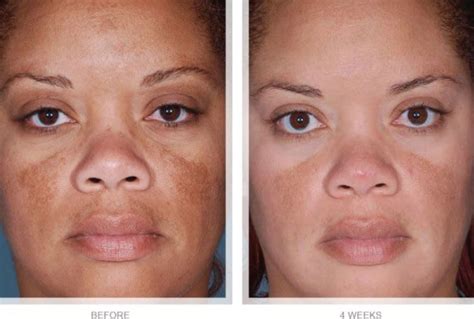
Is Alpha Arbutin Safe for All Skin Types?
Alpha arbutin is thought to be generally safe for all skin types, and it may be tolerated by those with sensitive skin better than other anti-aging or brightening treatments. AA can be used twice daily and is generally safe for all skin types, including those who are prone to acne. While it's safe to use overall, some side effects can still be experienced, such as redness and irritation. It's best absorbed on clean skin.
How to Incorporate Alpha Arbutin into Your Skincare Routine
Some experts recommend using AA for about three months at a time before taking a break. For the best results overall, try AA in combination with other skin-lightening ingredients and toners, such as retinoids, niacinamide, azelaic acid, and hyaluronic acid. You can also boost skin's texture by applying AA and other products after a chemical peel or after you've exfoliated, such as with glycolic acid.
When selecting alpha arbutin skin care products, look for those containing up to 2% concentration of alpha arbutin. It's important to note that AA is not the same thing as beta-arbutin, which is a cheaper version that is not as effective. Make sure to check the expiration date so you buy a product that will still work well.