Water is the most common cosmetic ingredient, typically listed first due to its high concentration. It is essential for life and plays a crucial role in skincare formulations.
Understanding Key Ingredients in Green Facial Cleansers
Facial cleansers often feature a variety of ingredients, each contributing to the product's efficacy and user experience. Understanding these components can help in choosing the right product for your skin.
Moisturizing and Hydrating Agents
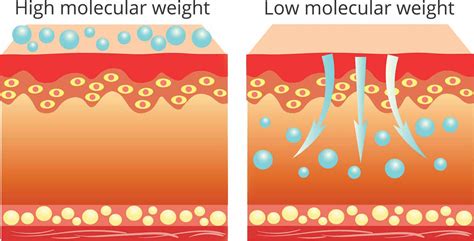
Glycerin is a naturally occurring substance in the skin that provides moisture and protection. A 2016 study indicated its superior humectant properties compared to AHAs and hyaluronic acid. As a humectant, it draws moisture to the skin, and its low molecular weight allows it to penetrate deeper layers, enhancing skin hydration and strengthening the skin barrier against irritants and bacteria. Glycerin also possesses antimicrobial and antiviral properties, making it useful in wound and burn treatments. In cosmetics, it is typically derived from plants like soybean or palm, though animal sources are also possible. This ingredient is organic, colorless, odorless, and non-toxic.
Hyaluronic acids are humectants that draw moisture from the air to the skin. Naturally present in healthy skin, they hydrate, soothe, and protect. Their ability to bind large amounts of water contributes to their hydrating power. Hyaluronic acid is also found in bodily fluids like eye fluid and joints. Studies suggest it has anti-inflammatory and anti-microbial properties that can aid wound healing. However, low-molecular-weight hyaluronic acid can potentially cause irritation as the body uses it to signal for healing. High-molecular-weight hyaluronic acid, conversely, is considered anti-inflammatory.
- Sodium Hyaluronate Crosspolymer is a modified form of hyaluronic acid that remains in the skin's top layer longer, offering enhanced hydration and humectant action.
- Sodium Hyaluronate, the salt form of hyaluronic acid, is excellent at retaining water and acts as a humectant.
- Hydrolyzed Hyaluronic Acid, created through hydrolysis, has a low molecular weight that hydrates the skin and increases elasticity, potentially reducing wrinkle depth.
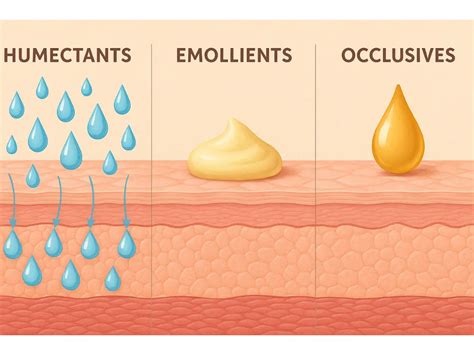
Caprylyl Glycol functions as both a humectant and an emollient, attracting and retaining moisture. It softens the skin and supports a healthy skin barrier. Despite being an alcohol derived from fatty acids, it does not dry out the skin. It also acts as a preservative, extending product shelf life.
Propanediol is a safe and well-tolerated ingredient derived from corn or petroleum. It is colorless and odorless, making it a versatile component in skincare.
Panthenol, also known as pro-vitamin B5, is a humectant that moisturizes the skin by attracting and retaining water. It also offers anti-inflammatory and skin-protecting benefits, potentially reducing irritation caused by other ingredients. It is also beneficial for nail and hair care.
Cleansing and Surfactant Agents
Disodium Cocoamphodiacetate is a surfactant derived from the fatty acids of coconut oil. It aids in cleansing by helping to rinse away oil, dirt, and pollutants. It has a mild, fruity scent and leaves the skin and hair feeling smooth. While generally suitable for most skin types, sensitive skin may experience reactions like rashes or itchiness.
Lauryl Hydroxysultaine is a mild surfactant that effectively lifts dirt and oil, enhances foam, and thickens formulations. It is compatible with other surfactants and remains stable across a wide pH range.
Cocamidopropyl Betaine is a biodegradable, mild cleansing agent derived from coconut oil, known for producing moderate to high foam. It works well with other surfactants to create milder formulas and is commonly found in cleansing products.
Hexylene Glycol acts as both a surfactant and an emulsifier. As a surfactant, it helps gather dirt and oil for removal. As an emulsifier, it keeps water and oil components mixed. It also thins product texture by reducing viscosity.
Stabilizers, Thickeners, and Texture Enhancers
Xanthan Gum is a polysaccharide used as a stabilizer and thickener in cosmetics, providing a desirable gel-like consistency and preventing products from being too runny. It is produced from sugar molecules via fermentation.
Acrylates/C10-30 Alkyl Acrylate Crosspolymer is a synthetic polymer that thickens products and improves their texture, preventing oil and water separation.
Sodium Chloride (salt) is frequently used in cleansers to create a gel-like texture by thickening formulas containing ionic surfactants. It also functions as an emulsion stabilizer.
Sodium Phytate is the synthetic salt form of phytic acid, acting as a chelating agent to stabilize ingredients by preventing metals from binding to water.
Antioxidant and Soothing Agents
Camellia Sinensis Leaf Extract (derived from tea leaves) is rich in polyphenols, potent antioxidants that combat free-radical damage from sources like the sun. It also contains anti-inflammatory components like polyphenols and L-theanine, which soothe the skin and reduce irritation. Caffeine in the extract can calm inflamed blood vessels. Applying it to the skin can boost elasticity and hydration, offering some UV protection, though it should not replace sunscreen.
Witch Hazel (Distillate) is a distillate from the leaves of the Witch Hazel plant. While less concentrated in active components than the bark extract, it offers mild astringent, soothing, antioxidant, and antibacterial properties.
Preservatives and Other Beneficial Ingredients
Ethylhexylglycerin is commonly used as a preservative and skin softener, often paired with other preservatives like phenoxyethanol to enhance their effectiveness.
Zinc PCA is beneficial for oily, acne-prone skin. It helps regulate sebum production and combats acne-causing bacteria. It also contributes to skin hydration and energy processes.
Menthone Glycerin Acetal is an oil-soluble cooling agent that provides a sensation of freshness similar to menthol.
Benefits of Green Facial Cleansers
Green facial cleansers leverage the power of botanical ingredients, particularly those derived from green tea and other plant sources, to offer a range of skincare benefits.
Antioxidant Protection
The high concentration of polyphenols, especially catechins like EGCG, found in green tea extracts provides robust antioxidant protection. These compounds neutralize harmful free radicals generated by environmental stressors, such as UV radiation, thus protecting skin cells from damage and premature aging.
Anti-inflammatory and Soothing Properties
Many components within green tea, including polyphenols and L-theanine, possess significant anti-inflammatory properties. This helps to calm the skin, reduce redness, and alleviate irritation, making green cleansers suitable for sensitive or inflamed skin types.
Hydration and Elasticity
Ingredients like glycerin, hyaluronic acid variants, and plant-derived compounds contribute to enhanced skin hydration. By attracting and retaining moisture, these ingredients help maintain skin's plumpness and elasticity. Research suggests that green tea components can also boost skin elasticity and overall hydration levels.
Gentle Cleansing
Many green facial cleansers utilize mild surfactants like Disodium Cocoamphodiacetate and Lauryl Hydroxysultaine, which effectively remove impurities without stripping the skin of its natural oils. This ensures a clean feel without compromising the skin's moisture barrier.
Potential for Acne Management
Ingredients like Zinc PCA, known for its ability to normalize sebum production and its antimicrobial properties against acne-causing bacteria, can be beneficial in formulations targeting acne-prone skin. Some of the cleansing agents themselves also help to remove pore-clogging debris.
What Is Oxidation – Dr.Berg on Free Radicals and Antioxidants
Considerations and Potential Sensitivities
While beneficial, some ingredients may cause sensitivity in certain individuals. Disodium Cocoamphodiacetate, though generally gentle, can occasionally lead to allergic reactions or breakouts in sensitive skin. Similarly, while hyaluronic acid is hydrating, low-molecular-weight forms can sometimes cause irritation in susceptible individuals.
The comedogenic potential of ingredients like sodium chloride is debated, and it's important to note that comedogenic ratings do not always tell the full story. Research is ongoing to fully understand the impact of certain ingredients on acne development.